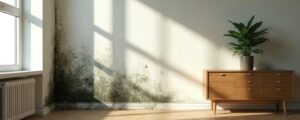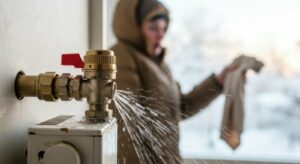
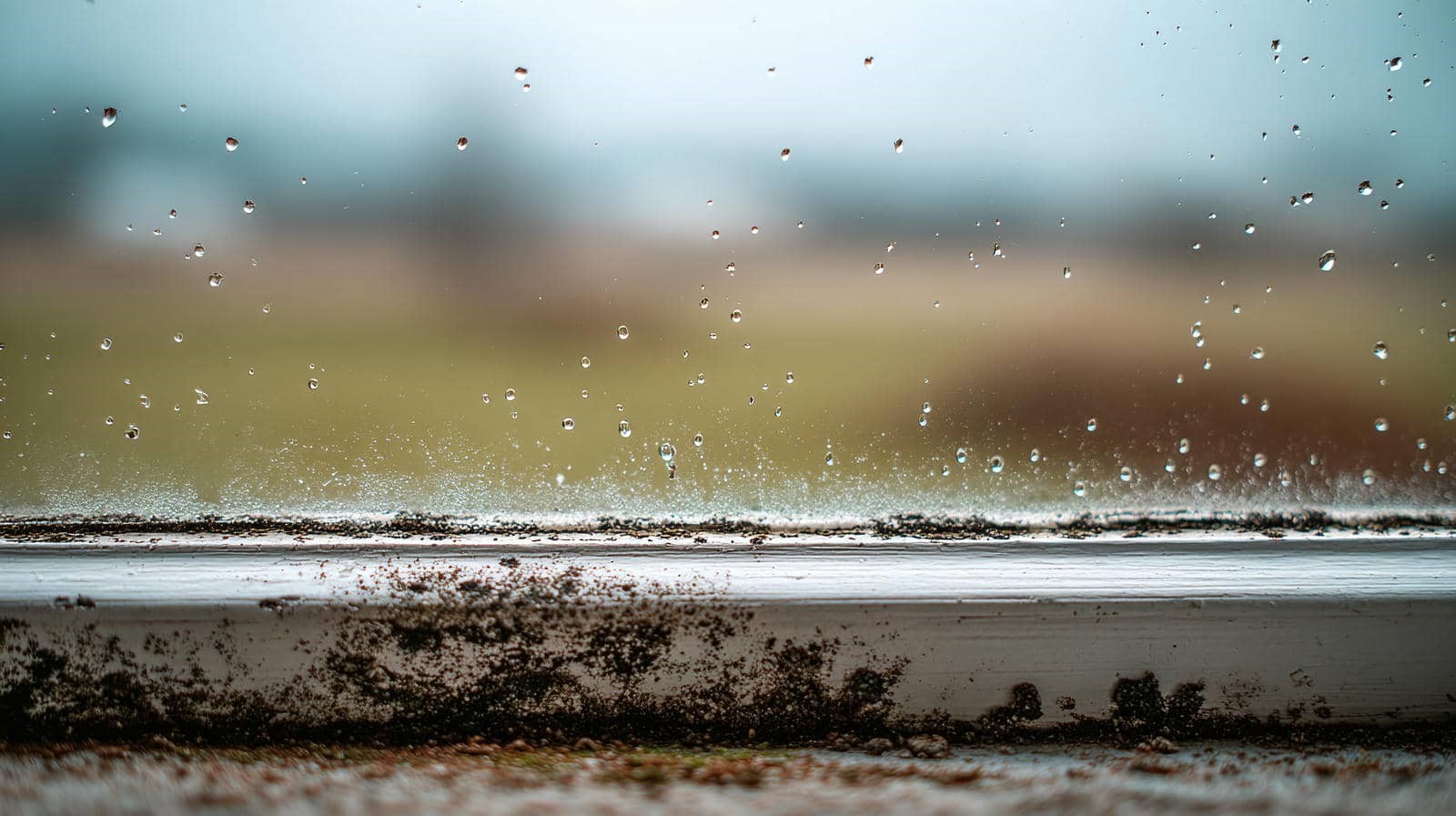
Imagine a damp, dark corner of your home where black mold silently thrives, waiting for the right moment to spread. After water damage, it’s essential to implement effective cleanup strategies to tackle this hidden menace. From evaluating the extent of the damage to using mold inhibitors, each step plays a critical role in restoring your space. But how do you ensrue every measure is taken to safeguard your home against future infestations?
Key Takeaways
- Conduct a thorough assessment of water damage to identify mold-affected areas and document findings for effective remediation.
- Wear protective gear and ensure proper ventilation to prioritize safety during the cleanup process.
- Remove excess water promptly using wet/dry vacuums and extractors to prevent further mold growth.
- Apply mold inhibitors and sealants to affected surfaces after cleaning to prevent regrowth and moisture intrusion.
- Maintain low indoor humidity levels and conduct regular inspections to prevent future mold issues.
Assessing the Extent of Water Damage
Before you can effectively address black mold issues, you need to assess the extent of water damage in your property. Start with a thorough water damage assessment, identifying areas where water intrusion has occurred.
Look for visible signs like discoloration, warped flooring, or peeling paint. Use moisture detection tools, such as hygrometers or infrared cameras, to pinpoint hidden moisture that could foster mold growth.
Check common problem areas, including basements, bathrooms, and around windows. Pay attention to both structural components and personal belongings that may have absorbed moisture.
Once you’ve gathered this information, document your findings for effective remediation planning. Understanding the severity of the water damage helps you tackle mold more effectively and ensures a safer environment for you and your loved ones.
Taking these proactive steps will empower you to reclaim your space from potential health hazards.
Ensuring Safety During Cleanup
When tackling black mold cleanup, ensuring your safety should be your top priority.
Following proper safety protocols is essential to protect yourself from harmful mold spores and contaminants.
Here’s what you need to do:
Wear Protective Gear: Equip yourself with an N95 respirator, gloves, and goggles to shield your skin and respiratory system from exposure.
Ventilate the Area: Open windows and doors to create airflow, helping to disperse mold spores and reduce inhalation risk.
Avoid Direct Contact: Use tools like scrub brushes and sponges to minimize skin contact with mold-infested surfaces.
Containing the Affected Area
To effectively contain the affected area during black mold cleanup, you need to seal off contaminated spaces.
Use plastic barriers to prevent spores from spreading to unaffected areas.
This containment strategy is essential for ensuring a safe and efficient remediation process.
Seal Off Contaminated Spaces
As you begin the cleanup process, sealing off contaminated spaces is crucial to prevent the spread of black mold spores throughout your home.
This step helps maintain air quality and minimizes the risk of mold growth in unaffected areas.
Here are three key actions to take:
Identify the Affected Area: Pinpoint where the mold is present to contain the contamination effectively.
Close Doors and Windows: Confirm all entry points are secured to limit airflow and mold spore dispersion.
Turn Off HVAC Systems: Disable heating and air conditioning units to prevent circulating air that may carry spores to other rooms.
Use Plastic Barriers
Using plastic barriers is essential for containing the affected area during black mold cleanup, since they effectively isolate the contamination and prevent spores from spreading.
You’ll want to cover doorways, windows, and any openings with plastic sheeting to establish a secure perimeter. This limits air circulation to the contaminated zone and protects other areas of your home from potential exposure.
Make sure to seal the edges of the plastic sheeting with tape to enhance the barrier’s effectiveness.
When working within the enclosed space, consider using a negative air machine to further control air circulation.
Removing Excess Water
Removing excess water is crucial in preventing the growth of black mold, and tackling this step promptly can save you from more extensive damage.
To effectively remove excess water, you should employ appropriate water extraction techniques and use moisture measurement tools to ensure thoroughness.
Here are three essential steps:
Use a Wet/Dry Vacuum: This tool is effective for extracting standing water and can reach areas that might be difficult to access.
Apply Water Extraction Pumps: For larger volumes of water, submersible pumps can quickly remove excess water, reducing the risk of mold growth.
Utilize Moisture Measurement Tools: These devices help you assess humidity levels in walls and floors, ensuring that all moisture is accounted for.
Drying Out the Space
After extracting excess water, drying out the space is the next critical step in preventing black mold growth. You need to prioritize moisture control to create an environment that discourages mold development.
Start by opening windows and doors to enhance air circulation. This natural airflow will help evaporate residual moisture more efficiently.
If conditions allow, use fans to boost circulation further; dehumidifiers can also be invaluable in absorbing excess humidity. Aim to maintain indoor humidity levels below 60% to inhibit mold spores from thriving.
Check hidden areas, like behind walls and under carpets, as moisture can linger there. If you notice persistent dampness, consider professional drying services to ensure thorough drying.
Identifying and Removing Mold-Infested Materials
To effectively address black mold, you need to recognize which materials are infested, such as drywall, carpet, or insulation.
Once identified, use safe removal techniques to prevent spores from spreading, ensuring you wear protective gear.
Finally, dispose of moldy materials properly to minimize health risks and prevent future contamination.
Recognizing Mold-Infested Materials
Identifying mold-infested materials is essential for effective cleanup, especially since mold can thrive in hidden areas and pose health risks.
To recognize these materials, follow these mold identification techniques and material assessment guidelines:
Visual Inspection: Look for discoloration, dark spots, or fuzzy growth on surfaces, especially in damp areas.
Odor Detection: Pay attention to musty smells, which often indicate the presence of mold even if it’s not visible.
Surface Testing: Use mold testing kits or consult professionals to assess materials like drywall, wood, or carpets for mold contamination.
Safe Removal Techniques
When you discover mold-infested materials, it’s crucial to use safe removal techniques to prevent further contamination and health risks.
Start by wearing appropriate safety equipment, including gloves, goggles, and an N95 respirator mask, to protect yourself from mold spores.
Carefully remove affected materials like drywall or carpeting, making sure you contain them in plastic bags to avoid spreading spores.
Use a HEPA vacuum to clean up any residual mold from surfaces.
For smaller items, consider using a mixture of water and detergent to scrub them clean, but always make sure they dry thoroughly to prevent future growth.
Proper Disposal Methods
After safely removing mold-infested materials, proper disposal methods must be employed to prevent contamination and ensure safety.
Follow these steps to ensure effective disposal:
Identify Hazardous Waste: Check local regulations to classify materials as hazardous waste, such as drywall or insulation contaminated with mold.
Adhere to Recycling Guidelines: If possible, separate any recyclable materials from the moldy items. Follow local recycling guidelines to prevent the spread of mold in recycling facilities.
Seal and Dispose: Place all hazardous waste in sealed plastic bags or containers. Dispose of them according to your local hazardous waste disposal program to minimize health risks.
Cleaning and Disinfecting Surfaces
To effectively combat black mold, thorough cleaning and disinfecting of surfaces is essential. Start by identifying all affected areas, including walls, floors, and furniture.
Use appropriate surface disinfection techniques, such as applying a mixture of water and a bleach solution or a commercial mold remover. Verify the cleaning products you choose are effective against mold spores; checking their labels for EPA registration can help you gauge their effectiveness.
After applying your chosen disinfectant, scrub surfaces with a brush to remove mold residues, then rinse with water. Don’t forget to wear protective gear, including gloves and masks, to safeguard against inhaling spores.
Once you’ve completed the cleaning process, make certain to dry the surfaces thoroughly, as moisture promotes future mold growth. By following these steps diligently, you’ll create a safer environment for yourself and your family, fostering a sense of belonging in your home.
Using Mold Inhibitors and Sealants
To effectively combat black mold, you need to select the right mold inhibitors and apply sealants properly.
Understanding application techniques can enhance the effectiveness of these products, ensuring long-term prevention of mold growth.
This section will guide you through choosing effective inhibitors, mastering application methods, and implementing strategies for lasting results.
Selecting Effective Mold Inhibitors
While it’s essential to address mold issues promptly, selecting effective mold inhibitors and sealants is equally important for preventing future infestations.
To ensure you choose the right products, consider these key factors:
Active Ingredients: Look for effective biocides specifically designed to target mold spores.
Application Ease: Choose inhibitors that are easy to apply and compatible with your surfaces.
Longevity: Opt for sealants that offer long-lasting protection against moisture, a critical element in mold prevention methods.
Application Techniques for Sealants
Applying sealants effectively is crucial for maximizing their protective benefits against mold growth. Start by choosing the right sealant types based on your specific needs, such as waterproofing or mildew resistance.
For best results, thoroughly prepare the surface; clean and dry it to ensure proper adhesion. During the sealant application, use a high-quality brush or roller for even coverage, applying it in thin layers to avoid drips.
Allow adequate drying time between layers if multiple coats are necessary. Pay attention to corners and seams, as these areas are prone to moisture buildup.
Finally, inspect your work to confirm complete coverage, as any missed spots can lead to mold resurgence. Following these steps will enhance your mold prevention efforts effectively.
Long-Term Prevention Strategies
Implementing long-term prevention strategies against black mold involves utilizing mold inhibitors in conjunction with sealants.
To effectively safeguard your space, focus on these key areas:
Humidity Control: Maintain indoor humidity levels below 60% using dehumidifiers or air conditioning.
Ventilation Improvement: Ensure proper airflow in high-moisture areas like bathrooms and kitchens by installing exhaust fans or opening windows.
Regular Inspections: Routinely check for leaks and water damage, addressing issues promptly to prevent mold growth.
Preventing Future Water Damage
To effectively prevent future water damage, it’s essential to identify and address potential sources of moisture in your home. Start by inspecting areas prone to leaks, such as roofs, basements, and plumbing systems. Implement waterproofing measures like applying sealants to basement walls and ensuring your roof is in good condition.
Next, consider drainage solutions to redirect water away from your foundation. Installing gutters and downspouts can help channel rainwater, while landscaping adjustments, such as sloping the soil away from your home, will further reduce risks.
Regularly cleaning gutters and maintaining drainage systems is vital for long-term effectiveness.
Additionally, monitor indoor humidity levels and use dehumidifiers in damp areas. By taking these proactive steps, you safeguard your home against water damage and foster a sense of belonging in a healthy environment where you and your family can thrive.
Consulting Professional Mold Remediation Services
How can you ensure that your home is free from harmful mold after a water incident? The safest approach is to consult professional mold remediation services. They provide a thorough, effective solution to ensure your living space is mold-free.
Here’s what to expect from a professional assessment:
Thorough Inspection: Experts will identify mold-affected areas and determine the extent of water damage.
Tailored Remediation Plan: Based on their findings, they’ll develop a specific strategy to remove mold safely and effectively.
Post-Remediation Testing: After cleanup, professionals conduct air quality tests to ensure that all mold spores have been eliminated.
Frequently Asked Questions
How Long Does It Take for Mold to Grow After Water Exposure?
Mold can start to grow within 24 to 48 hours after water exposure. Understanding this mold growth timeline is essential, as the effects of water damage can lead to significant health risks if not addressed promptly.
Can I Clean Mold With Regular Household Cleaners?
You can use some household cleaners for mold removal, but they might not be effective against all types of mold. It’s best to choose specialized mold cleaners or solutions for thorough and safe mold removal.
What Health Risks Are Associated With Black Mold Exposure?
Exposure to black mold can cause respiratory issues, trigger mold symptoms like coughing or sneezing, and lead to chronic health problems. You should take these risks seriously to protect your well-being and those you care about.
Is It Safe to Stay in My Home During Mold Cleanup?
It’s generally not safe to stay in your home during mold cleanup. You should take mold safety seriously and follow cleanup precautions, as exposure can lead to health issues. Prioritize your well-being and find temporary accommodation.
How Can I Tell if Mold Is Completely Removed?
To ensure mold is completely removed, use mold detection methods like air quality tests and surface sampling. Follow a final inspection checklist, checking for any visible signs or odors, confirming your space is safe and mold-free.
Final Thoughts
In the battle against black mold, “an ounce of prevention is worth a pound of cure.” By following these cleanup strategies, you can effectively manage water damage and minimize future mold growth. Remember to assess the damage, prioritize safety, and maintain a dry environment. Regularly check humidity levels and ensure proper ventilation to safeguard your home. If the situation seems overwhelming, don’t hesitate to consult professional mold remediation services for expert assistance. Your health and safety depend on it.