When dealing with black mold, it’s important to follow best practices for effective cleanup. You need to assess the infestation’s severity first, as this determines your next steps. Wearing the right personal protective equipment is essential to safeguard your health. It’s not just about cleaning; you must also consider containment and moisture control. Each practice plays a significant role in ensuring a thorough and safe remediation process. What comes next could reshape your approach to mold prevention.
Key Takeaways
- Conduct a thorough mold inspection to identify affected areas and assess the severity of the infestation.
- Use proper personal protective equipment (PPE) to safeguard against mold spores during cleanup.
- Seal off the contaminated area with plastic sheeting to prevent spores from spreading to other parts of the building.
- Remove moisture sources and utilize effective cleaning solutions, like commercial agents or natural options, to eliminate mold.
- Implement long-term prevention strategies, such as improving ventilation and monitoring humidity levels, to prevent future mold growth.
Assess the Severity of the Mold Infestation
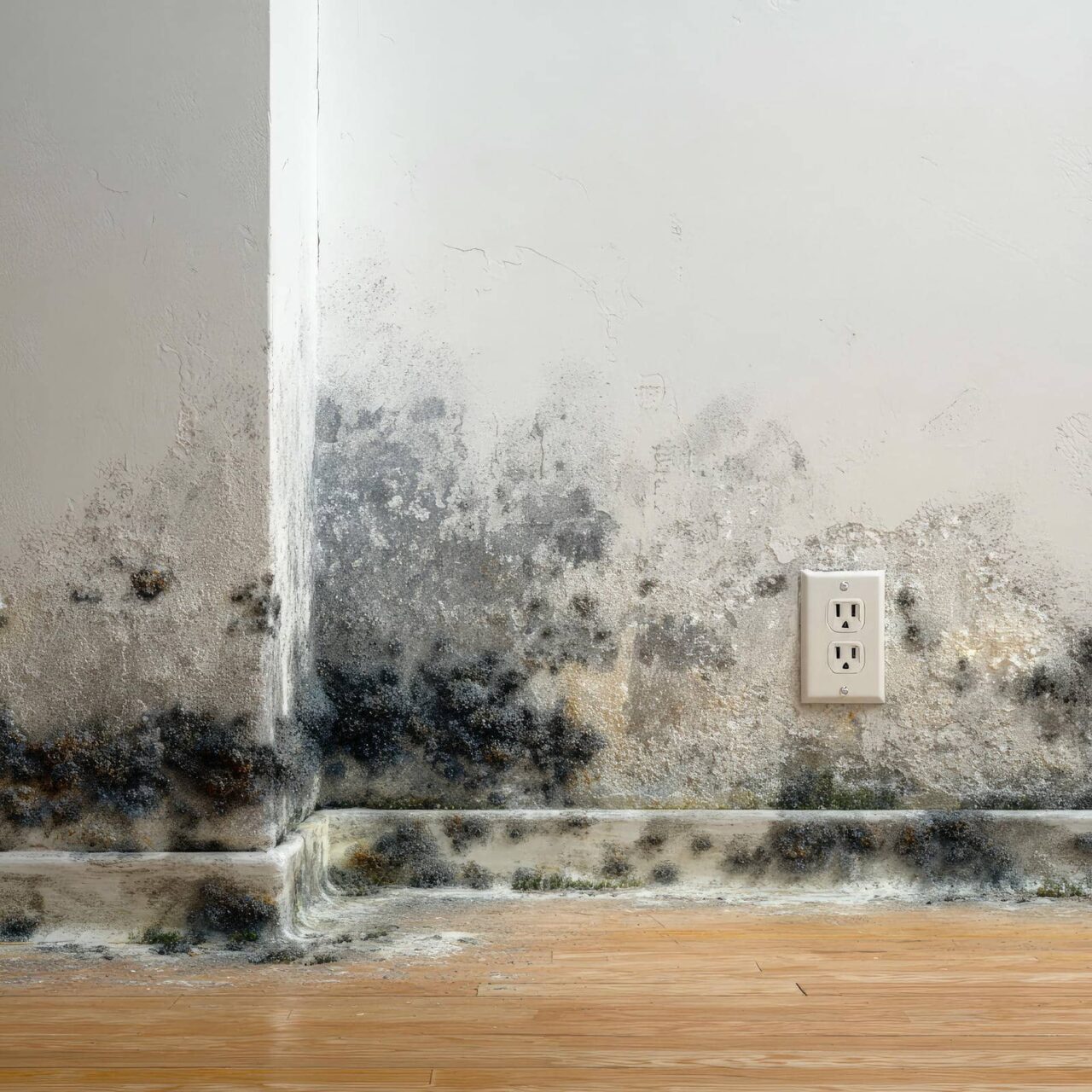
Before you tackle mold cleanup, it’s crucial to assess the severity of the infestation. Start by employing effective mold inspection techniques to identify the affected areas. Look for infestation indicators such as visible mold growth, a musty odor, or water damage. These signs can help you gauge how extensive the problem is.
Take note of the color and texture of the mold, as different types may require varying cleanup methods. Conduct a thorough visual inspection, checking hidden spaces like behind walls or under carpets. If you suspect a larger issue, consider using moisture meters or even hiring a professional for detailed testing.
Understanding the severity of the mold infestation helps you plan your cleanup strategy and ensures the safety of your living environment. By addressing the issue efficiently, you foster a healthier space for yourself and those you care about.
Wear Appropriate Personal Protective Equipment (PPE)
When dealing with mold cleanup, it’s essential to wear appropriate personal protective equipment (PPE) to safeguard your health.
Following established safety protocols protects you and fosters a sense of community responsibility.
Here are four important PPE types to take into account:
N95 Respirator: This filter helps prevent inhalation of mold spores, keeping your lungs safe.
Gloves: Use nitrile or rubber gloves to avoid direct contact with mold, reducing skin irritation.
Goggles: Protective eyewear shields your eyes from mold spores and cleaning chemicals, ensuring clear vision during cleanup.
Protective Clothing: Wear disposable coveralls or old clothing that you can discard after the job, minimizing contamination risk.
Contain the Affected Area
To effectively manage mold cleanup, it’s vital to contain the affected area, as this prevents spores from spreading to other parts of your home.
Implementing mold containment strategies is important during this process. Start by sealing off the area using plastic sheeting, ensuring that it covers doorways, windows, and any ventilation openings. This barrier installation technique creates a physical barrier that helps minimize air circulation and limits the movement of spores.
You should also use duct tape to secure the edges of the plastic sheeting, ensuring a tight seal.
If the contamination is extensive, consider creating negative air pressure within the contained area by using a HEPA air filter. This technique further prevents spores from escaping into clean areas.
Remove Moisture Sources
To effectively eliminate black mold, you must first remove moisture sources in your environment.
Start by identifying leak locations that may contribute to dampness, then enhance your ventilation systems to promote air circulation.
Additionally, using dehumidifiers can greatly lower humidity levels, creating an inhospitable setting for mold growth.
Identify Leak Locations
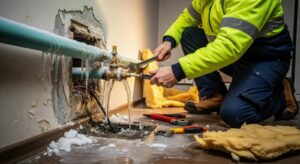
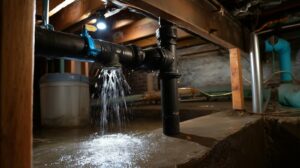
Identifying leak locations is essential for effective black mold cleanup and prevention. By focusing on leak detection, you can eliminate moisture sources that promote mold growth.
Here are four key steps to help you locate leaks:
Inspect Plumbing: Check pipes, faucets, and toilets for visible leaks or dampness.
Examine Roof and Gutters: Look for missing shingles or clogged gutters that can lead to water accumulation.
Assess Windows and Doors: Verify seals are intact, as gaps can allow water intrusion.
Monitor Basements and Crawl Spaces: Look for standing water and damp spots that indicate potential leaks.
Improve Ventilation Systems
After pinpointing leak locations, the next step in preventing black mold growth involves improving ventilation systems to remove moisture sources.
Effective airflow management is essential in maintaining a dry environment. Consider making ventilation upgrades to areas prone to dampness, such as basements and attics.
Install exhaust fans in bathrooms and kitchens to expel humid air, and make sure that vents aren’t obstructed. Regularly check and clean filters to promote ideal airflow.
Utilizing natural ventilation, like opening windows during dry days, can also greatly reduce humidity levels.
By prioritizing these improvements, you enhance indoor air quality and create a healthier space for everyone.
Taking these steps fosters a sense of community and shared responsibility in keeping your environment mold-free.
Use Dehumidifiers Effectively
While improving ventilation is crucial, utilizing dehumidifiers effectively can greatly reduce moisture levels in your home and prevent black mold growth.
Here are some best practices to follow:
Set the Right Levels: Adjust your dehumidifier settings to maintain indoor humidity between 30-60%.
Choose Energy Efficiency: Opt for ENERGY STAR-rated models to save on electricity while managing moisture.
Position Properly: Place dehumidifiers in areas prone to dampness, like basements or bathrooms, for peak performance.
Regular Maintenance: Clean and empty the dehumidifier regularly to ensure it operates efficiently and effectively.
Use Effective Cleaning Solutions
When tackling black mold cleanup, selecting effective cleaning solutions is essential for both safety and efficacy. You have two main options: commercial cleaning agents and natural solutions.
Commercial agents often contain powerful fungicides that can eliminate mold quickly but may introduce harmful chemicals into your environment. If you’re concerned about toxicity, consider natural solutions like vinegar or baking soda, which are effective yet safer alternatives.
When using any cleaning solution, always follow the manufacturer’s instructions for application and safety. Ensure you wear protective gear, such as gloves and masks, to prevent exposure to spores.
Additionally, test a small area first to confirm the solution won’t damage surfaces. Ultimately, the choice of cleaning solution depends on your preferences and the severity of the mold infestation.
Dry and Dehumidify the Space
To effectively combat black mold, you need to remove excess moisture from the affected area.
Using dehumidifiers can greatly lower humidity levels, making it harder for mold to thrive.
Make sure you monitor the environment regularly to maintain ideal dryness and prevent future growth.
Remove Excess Moisture
Removing excess moisture is crucial for effective black mold cleanup, as damp environments foster mold growth.
To ensure moisture control and maintain ideal humidity levels, follow these steps:
Identify Water Sources: Locate and address leaks or sources of humidity, such as plumbing issues or condensation.
Ventilate the Area: Open windows and doors to increase airflow, which helps evaporate moisture.
Use Fans: Deploy fans to circulate air, promoting quicker drying of surfaces and reducing humidity.
Monitor Humidity Levels: Utilize a hygrometer to keep track of humidity levels, aiming for a range between 30-60% to inhibit mold growth.
Use Dehumidifiers Effectively
After addressing excess moisture, using dehumidifiers effectively can greatly enhance your mold cleanup efforts.
Begin by selecting the right dehumidifier settings based on the size of your space and the humidity level; generally, aim for a relative humidity of 30-60%.
Position the dehumidifier in a central location to optimize airflow and moisture control.
Regularly check and empty the water reservoir, or opt for a model with a continuous drainage option to maintain efficiency.
Run the dehumidifier consistently, especially in high-humidity conditions, to prevent mold from returning.
Monitoring humidity levels with a hygrometer can further guide your adjustments, ensuring you create a dry environment conducive to mold cleanup and long-term prevention.
Monitor for Future Mold Growth
While you’ve successfully completed the black mold cleanup, ongoing vigilance is essential to prevent future growth.
Implementing effective mold monitoring strategies can help you maintain a healthy environment. Here are some best practices to contemplate:
Regular Inspections: Check potential problem areas like basements, bathrooms, and kitchens for signs of moisture or mold.
Humidity Control: Keep indoor humidity levels below 60% using dehumidifiers and air conditioners.
Prompt Repairs: Address leaks in plumbing or roofing immediately to minimize moisture accumulation.
Air Quality Testing: Contemplate periodic testing for mold spores in the air, especially after heavy rains or flooding.
Frequently Asked Questions
How Can I Tell if Mold Is Toxic or Non-Toxic?
To tell if mold’s toxic, use mold identification techniques like visual inspection and air quality tests. Look for toxic mold signs such as strong odors, discoloration, or health symptoms. Stay informed to protect your home and health.
Will Homeowners Insurance Cover Mold Cleanup Costs?
Homeowners insurance might cover mold cleanup costs, but it often depends on your policy’s coverage limits. Check your mold insurance details carefully to understand what’s included and ensure you’re protected against unexpected expenses.
Can I Clean Mold Without Professional Help?
Yes, you can clean mold without professional help. By using effective mold cleaning techniques and DIY mold removal methods, you can tackle smaller infestations safely. Just make sure you follow safety precautions and address moisture issues to prevent recurrence.
What Are the Health Effects of Mold Exposure?
About 10% of people experience mold exposure symptoms like coughing, wheezing, or eye irritation, which can greatly impact respiratory health. If you’re sensitive, don’t underestimate mold’s potential effects on your well-being and comfort.
How Long Does It Take for Mold to Grow?
Mold typically starts growing within 24 to 48 hours, depending on environmental factors like moisture and temperature. Understanding this mold growth timeline helps you act quickly to prevent serious issues in your home.
Recap
Tackling black mold isn’t just about cleaning; it’s about prevention. By following these best practices, you’ll eliminate the current problem and create an environment less likely to invite mold back. Remember, an ounce of prevention is worth a pound of cure. Stay vigilant, monitor humidity levels, and educate those around you. With proactive measures, you can keep your space mold-free and ensure a healthier living environment for everyone.