When evaluating damage, it’s essential to employ effective damage assessment techniques that reveal underlying issues. You might start with visual inspections, which offer a quick overview, but there’s much more beneath the surface. Moisture mapping, thermal imaging, and water quality testing can uncover hidden dangers that could compromise safety. Each method plays a significant role in forming a complete picture of the damage. So, what’s the best approach for your specific situation?
Key Takeaways
- Visual inspection techniques provide immediate insights into structural condition using checklists and tools for systematic assessment of critical areas.
- Moisture mapping and detection utilize sensors and software to identify hidden water intrusion and safeguard structural integrity.
- Thermal imaging applications detect temperature variations to uncover hidden issues, enhancing accuracy in damage assessment.
- Water quality testing methods ensure safety by conducting chemical analyses to identify pollutants and assess water health for various uses.
- Structural integrity evaluations involve thorough assessments of load-bearing capacity, material resilience, and foundation stability to ensure community safety.
Visual Inspection Techniques
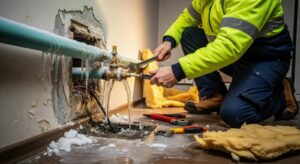
When evaluating damage, you often start with visual inspection techniques, as they provide immediate insights into the condition of structures and materials. Utilizing visual inspection tools like magnifying glasses and digital cameras enhances your ability to identify subtle issues that might go unnoticed.
Armed with inspection checklists, you ensure a systematic approach, covering all critical areas and minimizing the risk of overlooking important details.
While inspecting, you cultivate a compassionate mindset, recognizing that the impact of damage extends beyond physical structures to the people who rely on them. Observing cracks, deformities, or discoloration can reveal underlying problems that need addressing.
Documenting these findings meticulously fosters an environment of trust and accountability with stakeholders, reinforcing your commitment to their safety and well-being.
Ultimately, your thoroughness in applying visual inspection techniques lays a strong foundation for effective damage assessment and repair strategies, fostering a sense of belonging and security within the community.
Moisture Mapping and Detection
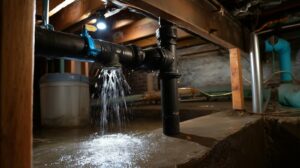
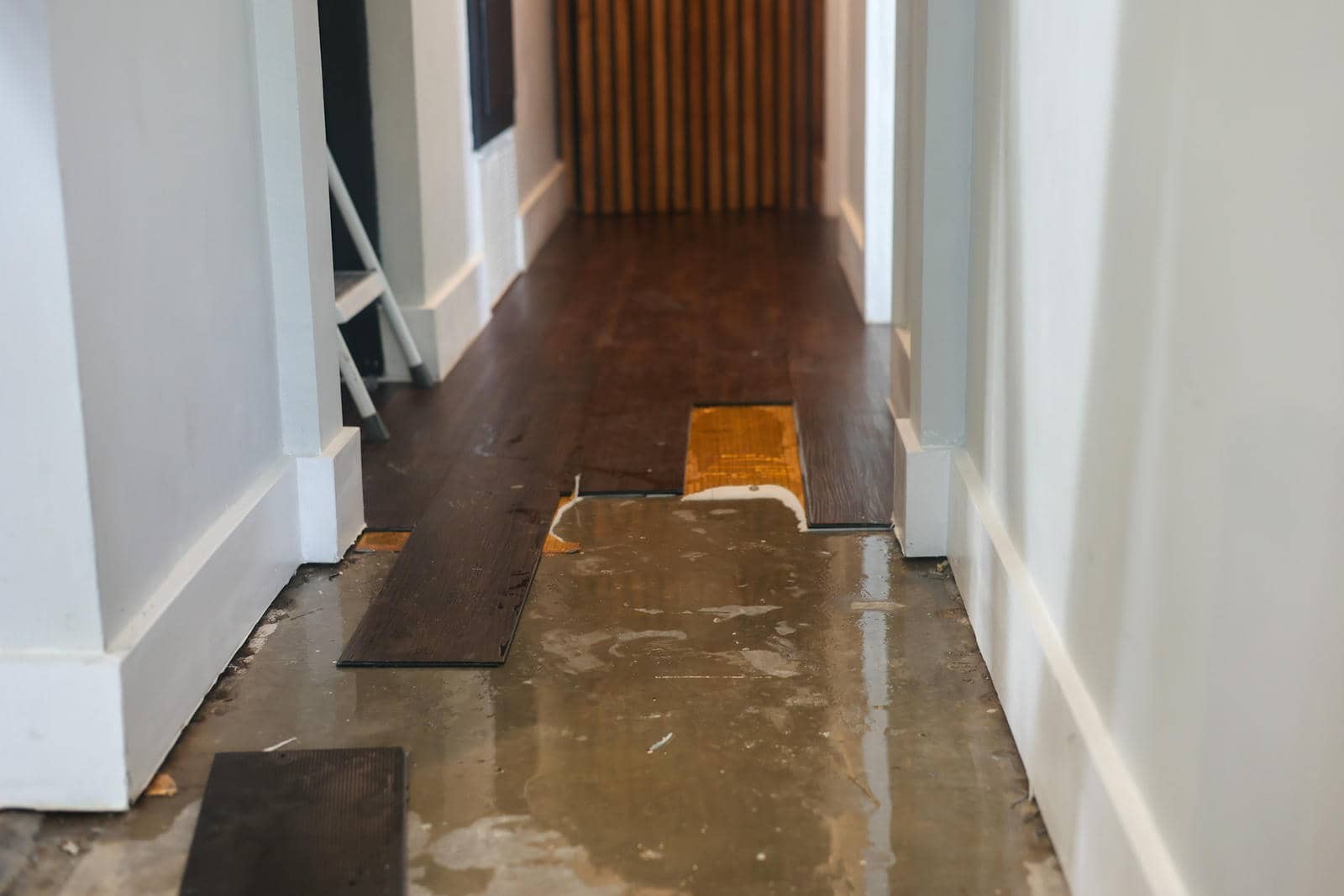
Moisture mapping and detection play a crucial role in identifying hidden water intrusion and its potential consequences on structures. By employing moisture sensors, you can accurately pinpoint areas affected by excess moisture, allowing for timely interventions. These sensors provide real-time data, helping you understand the extent of water damage and preventing further deterioration.
Mapping software enhances your assessment by visualizing moisture levels across different surfaces. This technology enables you to create detailed moisture maps, clearly illustrating problem areas, so you can strategize effective repairs.
Understanding moisture dynamics safeguards structural integrity and promotes a healthier living environment. You’re not just protecting buildings; you’re fostering a sense of belonging for those who inhabit them.
Accurate moisture mapping empowers you to take proactive steps, ensuring that everyone feels secure and comfortable in their space. Embrace these tools to build a safer, more resilient community.
Thermal Imaging Applications
While many damage assessment techniques focus on surface-level indicators, thermal imaging applications reveal critical insights into underlying issues. By utilizing infrared technology, you can detect temperature variations that often signal hidden problems, such as water leaks or insulation failures.
These thermal imaging benefits extend beyond mere identification; they enable you to understand the severity of the damage and prioritize repairs effectively.
In your work, employing thermal imaging enhances accuracy and fosters a sense of reassurance among stakeholders. Everyone involved can feel confident that you’re addressing the root causes, not just the symptoms.
This compassionate approach to damage assessment builds trust and promotes a collaborative environment. As you integrate thermal imaging into your toolkit, you won’t just improve your assessments; you’ll also strengthen relationships with clients and colleagues alike, creating a shared commitment to thorough, effective solutions.
Water Quality Testing Methods
Water quality testing methods play an essential role in ensuring the safety and health of both people and the environment. By adhering to established sampling protocols, you can collect water samples that accurately reflect the quality of your water source. This process involves choosing appropriate locations and times to gather samples, ensuring that you capture any potential contaminants present.
After sampling, you’ll conduct chemical analysis to identify pollutants such as heavy metals, bacteria, and nutrients. These analyses provide vital data that help you understand the water’s safety for recreation, consumption, and ecosystem health.
Staying informed about water quality fosters a sense of community responsibility and connection, as clean water is fundamental to everyone’s well-being. By engaging in these testing methods, you actively contribute to protecting both your health and the environment, reinforcing your belonging to a larger community that values sustainability and safety.
Structural Integrity Evaluations
After ensuring water quality, attention turns to evaluating the structural integrity of buildings and infrastructure. This step is essential for safety and community well-being.
You’ll want to conduct a thorough assessment focusing on the following:
- Load-bearing analysis: Understand how much weight structures can safely support.
- Material resilience: Assess the durability of materials used in construction.
- Crack inspections: Identify any visible fractures that might indicate deeper issues.
- Foundation evaluations: Examine the stability of the ground supporting the structure.
- Environmental impact assessments: Consider how surrounding factors affect structural integrity.
Frequently Asked Questions
What Are the Costs Associated With Damage Assessment Techniques?
Damage assessment techniques can incur costs like equipment, software, and labor. You’ll need a thorough cost analysis to choose effective assessment tools, ensuring you balance expenses with the accuracy and reliability of your evaluations.
How Often Should Damage Assessments Be Performed?
You should perform damage assessments regularly, ideally quarterly, to ensure maximum safety and compliance. Utilizing frequency analysis helps create effective assessment schedules, fostering a sense of community trust and ensuring everyone feels secure in their environment.
Can Damage Assessments Be Done Remotely?
Yes, you can conduct damage assessments remotely using technology integration. Remote inspections allow you to leverage advanced tools, ensuring accuracy and efficiency while fostering a sense of community support during challenging times. It’s a valuable approach.
What Qualifications Do Damage Assessors Need?
To assess damage effectively, you’ve gotta meet certification requirements and adhere to industry standards. A blend of formal education, experience, and ongoing training ensures you’re equipped to deliver compassionate, accurate evaluations that foster trust and belonging.
How Long Does a Typical Damage Assessment Take?
A typical damage assessment usually takes a few hours to several days, depending on the extent of the damage. Understanding the evaluation timeline helps you prepare and feel more connected to the process and its outcomes.
Final Thoughts
These top five damage assessment techniques are essential tools in safeguarding our communities. By employing visual inspections, moisture mapping, thermal imaging, water quality testing, and structural evaluations, you can identify potential hazards before they escalate into catastrophic failures. Think of these methods as your first line of defense, akin to having a superhero on call for your property’s safety. Embracing these proactive approaches ensures you’re reacting to damage and actively preventing it.