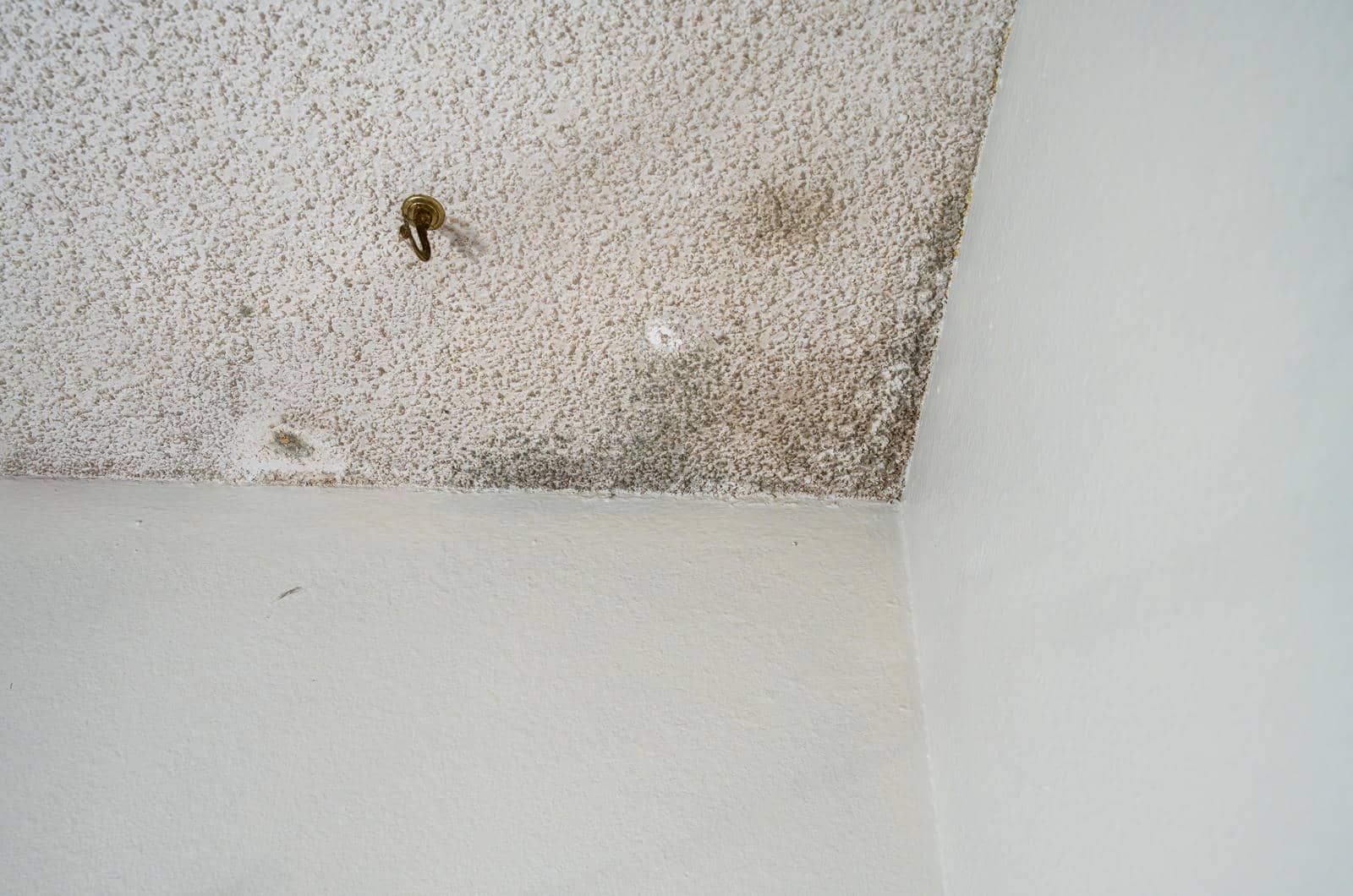
When faced with water damage and potential mold growth, your first steps are critical. You’ll need to assess the extent of the damage and prioritize safety before starting any cleanup. Removing standing water quickly is essential, as is ensuring thorough drying of the affected areas. However, it doesn’t stop there; identifying mold sources and disinfecting surfaces are equally important. Understanding these steps can make all the difference in preventing future issues. What comes next might surprise you.
Key Takeaways
- Assess the source and extent of water damage to prioritize cleanup efforts effectively.
- Ensure safety by wearing PPE and turning off power to affected areas before starting cleanup.
- Remove standing water promptly using pumps and wet vacuums to minimize damage and prevent mold growth.
- Thoroughly dry affected areas with fans and dehumidifiers, inspecting hidden spots for moisture.
- Regularly inspect and maintain your home to prevent future water damage and mold issues.
Assess the Extent of Water Damage
When dealing with water damage, it’s essential to quickly assess the extent of the problem to determine the necessary cleanup steps.
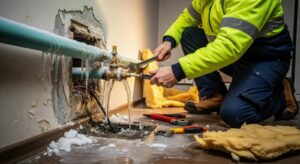
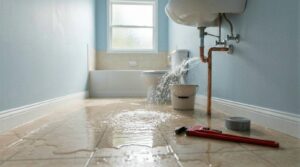
Start by identifying the water source—whether it’s a burst pipe, flooding, or an appliance leak. This initial damage assessment is significant; it helps you understand how far the water has spread and what materials are affected.
Check walls, floors, and any furnishings for signs of saturation. Look for discoloration, warping, or mold growth, as these can indicate prolonged exposure. Use moisture meters to measure dampness levels in various materials, giving you a clearer picture of the damage.
Document your findings with photos for insurance purposes. By conducting a thorough assessment, you’ll be better prepared to prioritize cleanup tasks and mitigate further risks, ensuring both your safety and the integrity of your property.
This proactive approach fosters a sense of belonging to a community that values effective water damage management.
Ensure Safety Before Cleanup
Before diving into the cleanup process, it’s essential to ensure your safety to prevent injury or health risks. Start by wearing personal protective equipment (PPE), including gloves, goggles, and a mask, to shield yourself from mold spores and contaminants.
This gear is vital for your well-being and helps you feel secure in the environment you’re working in.
Next, prioritize electrical safety. Turn off the power supply to affected areas before you begin any work.
Water and electricity are a dangerous combination, and ensuring the area is de-energized minimizes the risk of electric shock. Use a multimeter to confirm that circuits are safe to approach.
Remove Standing Water Promptly
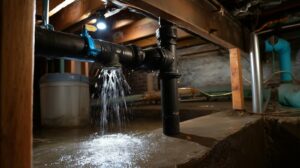
To address standing water effectively, you need to use pumps efficiently, ensuring you remove as much water as possible.
Always maintain safety precautions, such as wearing protective gear and checking for electrical hazards, to prevent accidents during the cleanup process.
Acting quickly minimizes damage and reduces the risk of mold growth.
Use Pumps Efficiently
Since standing water can lead to significant property damage and mold growth, using pumps efficiently is crucial for prompt removal.
Start by selecting the right pump types for your situation—submersible pumps for deeper water and utility pumps for shallow areas. Ensure you’re familiar with the pump’s specifications and capacity to ensure efficient operation.
Before you begin, clear any debris obstructing the pump’s intake to maximize performance. Position the pump strategically to create a natural flow toward the discharge area, preventing water from pooling again.
Regularly monitor the pump during operation to avoid clogs and make certain it’s functioning effectively. By using the right equipment and techniques, you’ll greatly reduce the risk of further damage and foster a safer environment for everyone involved.
Maintain Safety Precautions
After efficiently using pumps to remove standing water, it’s essential to maintain safety precautions to protect yourself and others during the cleanup process. Always wear appropriate safety gear, including gloves, masks, and boots, to minimize exposure to contaminants. Keep your emergency contacts handy in case of accidents or health concerns.
Here’s a quick reference for essential safety items:
| Safety Gear | Purpose |
|---|---|
| Gloves | Protects hands from contaminants |
| Masks | Prevents inhalation of mold spores |
| Boots | Shields feet from hazardous surfaces |
| Goggles | Protects eyes from irritants |
Dry Affected Areas Thoroughly
Once you’ve addressed the source of the water intrusion, drying the affected areas thoroughly is vital to prevent further damage and mold growth.
Start with water extraction to remove standing water using pumps or wet vacuums. After removing the bulk of the water, focus on moisture control. Open windows and doors for ventilation, and use fans and dehumidifiers to promote airflow and reduce humidity levels.
Inspect surfaces such as walls, floors, and carpets; any remaining moisture can lead to structural damage and mold proliferation.
Pay close attention to hidden areas like behind cabinets and under sinks, as these spots are often overlooked. It’s essential to ensure that all materials—such as drywall or insulation—are adequately dried.
This proactive approach fosters a healthier environment and helps you feel secure in your space, knowing you’ve effectively mitigated the risks associated with water damage and mold.
Identify and Remove Mold Sources
To effectively identify and remove mold sources, you should inspect moisture-prone areas such as basements, bathrooms, and kitchens.
Eliminate any water accumulation by fixing leaks and ensuring proper drainage.
Additionally, enhance ventilation in these spaces to reduce humidity levels and prevent mold growth.
Inspect Moisture-Prone Areas
Since mold thrives in damp environments, it’s crucial to inspect moisture-prone areas in your home for any signs of excess humidity or water leaks.
Begin with basements, bathrooms, and kitchens—areas most susceptible to moisture buildup.
Utilize moisture detection tools, such as hygrometers and infrared cameras, to identify hidden water sources.
Look for discoloration, peeling paint, or musty odors, which may indicate mold growth.
Confirm you check behind appliances and under sinks, as these spots often harbor leaks.
Make a routine inspection part of your home maintenance to prevent future mold issues.
Eliminate Water Accumulation
Eliminating water accumulation is essential to prevent mold growth and maintain a healthy home environment.
Start by identifying areas where moisture collects, like basements or around appliances. Implement water barriers to redirect moisture away from your foundation. These barriers can effectively limit water seepage, reducing mold risk.
Additionally, consider installing drainage solutions, such as French drains or sump pumps, to manage excess water effectively. Regularly inspect gutters and downspouts to ensure they direct water away from your home.
If you find any leaks or standing water, address them immediately to mitigate future mold sources. By taking these proactive steps, you create a safer, healthier living space for yourself and your family, fostering a sense of community and belonging.
Ensure Proper Ventilation
Proper ventilation is essential in preventing mold growth and maintaining indoor air quality. You can achieve this by implementing effective air circulation techniques and humidity control measures. Make certain that your spaces allow fresh air to flow, especially in areas prone to moisture.
| Action | Technique | Purpose |
|---|---|---|
| Open Windows | Natural Ventilation | Increase airflow |
| Use Exhaust Fans | Mechanical Ventilation | Remove humid air |
| Dehumidifiers | Humidity Control | Lower moisture levels |
Use Proper Mold Remediation Techniques
When tackling mold remediation, it’s essential to employ techniques that effectively eliminate spores and prevent future growth. Start by identifying the source of moisture fueling mold growth; without addressing this, no remediation method will be effective.
Once you’ve controlled humidity levels, use physical removal techniques, such as scrubbing surfaces with a brush and a solution of water and detergent. For porous materials like drywall, consider replacing affected sections entirely, as mold can infiltrate deeply.
Utilize HEPA vacuums to capture airborne spores and prevent spread during cleanup. Always wear personal protective equipment, including gloves, goggles, and N95 respirators, to ensure your safety.
After the initial cleanup, monitor the area for signs of regrowth, confirming that your remediation methods have been successful. By following these steps, you’ll create a healthier environment and foster a sense of belonging in your space, free from the threat of mold.
Disinfect and Clean Surfaces
To effectively disinfect and clean surfaces after water damage, you need to choose disinfectants that are proven to eliminate mold and bacteria.
Focus on high-touch areas like doorknobs, light switches, and countertops, as these surfaces are more likely to harbor contaminants.
Always follow safety protocols, including wearing protective gear and ensuring proper ventilation, to protect yourself during the cleaning process.
Choose Effective Disinfectants
Choosing effective disinfectants is essential for ensuring surfaces are thoroughly cleaned and safe from mold and bacteria.
Start by selecting products that have proven disinfectant effectiveness against a wide range of pathogens. Look for EPA-approved disinfectants, as they meet rigorous safety and efficacy standards.
If you’re concerned about environmental impact, consider eco-friendly options that utilize natural ingredients without sacrificing disinfecting power.
Always follow the manufacturer’s instructions regarding dilution, contact time, and application methods to maximize efficacy.
Be mindful of the surfaces you’re treating, as some disinfectants may not be suitable for all materials.
Focus on High-Touch Areas
How often do you think about the surfaces you touch daily?
In the wake of water damage and mold, it’s essential to focus on high-touch surfaces. These areas can harbor contaminants and need regular attention.
To maintain a safe environment, consider the following cleaning frequency:
Daily: Wipe down doorknobs, light switches, and remote controls.
Weekly: Disinfect countertops, faucets, and handles to eliminate buildup.
Monthly: Clean larger surfaces like furniture and electronics to prevent dust accumulation.
Follow Safety Protocols
After addressing high-touch areas, the next step in ensuring a safe environment involves following rigorous safety protocols when disinfecting and cleaning surfaces.
Start by donning appropriate safety gear, including gloves, masks, and goggles, to protect yourself from harmful chemicals and mold spores.
Use EPA-approved disinfectants, ensuring you follow the manufacturer’s instructions for proper dilution and application techniques. Pay special attention to porous surfaces that might harbor mold.
It’s essential to ventilate the area well while you work. Keep emergency contacts handy in case of adverse reactions or unexpected complications.
Prevent Future Water Damage
While water damage can strike unexpectedly, you can take proactive measures to minimize the risk of it occurring in your home.
By focusing on the right materials and maintaining your space diligently, you can create a safer environment.
Invest in water-resistant materials: Use water-resistant drywall, flooring, and insulation in areas prone to moisture. This can greatly reduce damage should leaks happen.
Schedule routine maintenance: Regularly inspect plumbing, roofs, and gutters for any signs of wear or damage. Catching issues early can save you from costly repairs later.
Ensure proper drainage: Maintain clear gutters and downspouts to direct water away from your foundation. This helps prevent pooling around your home, reducing the risk of seepage.
Monitor for Signs of Recurrence
To effectively prevent mold growth and further water damage, it’s crucial to regularly monitor your home for signs of recurrence.
Start by visually inspecting areas prone to moisture, such as bathrooms, basements, and around windows. Look for mold recurrence signs like discoloration, dampness, or a musty odor.
Employ monitoring techniques like using moisture meters to measure humidity levels, ensuring they stay below 60%. Regularly check your HVAC system for leaks, as these can create favorable conditions for mold growth.
Consider installing a dehumidifier in high-humidity areas to maintain ideal moisture levels.
Remember to inspect plumbing fixtures for leaks and address any water stains on ceilings or walls promptly.
By staying vigilant, you protect your home and cultivate a sense of belonging in a safe and healthy environment.
Regular monitoring is key to ensuring your space remains mold-free and welcoming.
Consider Professional Help If Needed
If you find that your attempts at mold removal and water damage mitigation aren’t yielding satisfactory results, it might be time to reflect on professional help.
Engaging professional services ensures a thorough and effective resolution to your problem. Here are three reasons to evaluate calling in the experts:
Expert Assessment: Professionals have the tools and knowledge to identify hidden mold and moisture sources that you might miss.
Advanced Techniques: They use specialized equipment and methods to remove mold and mitigate water damage safely and efficiently.
Long-Term Solutions: Experts provide strategies to prevent future occurrences, ensuring your space remains safe and healthy.
Don’t hesitate to seek the assistance of trained professionals who can restore your home to its original state.
Wrap-Up
Addressing water damage and mold cleanup effectively is essential to safeguarding your home and health. By following these tips, you can combat mold like a warrior conquering a dragon, ensuring your living space remains safe and dry. Always prioritize safety and thoroughness in your cleanup efforts, and don’t hesitate to seek professional help if the situation seems overwhelming. With vigilance and proactive measures, you can prevent future issues and maintain a healthy environment.