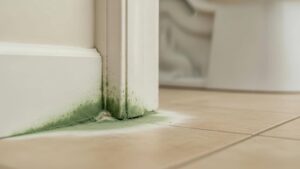
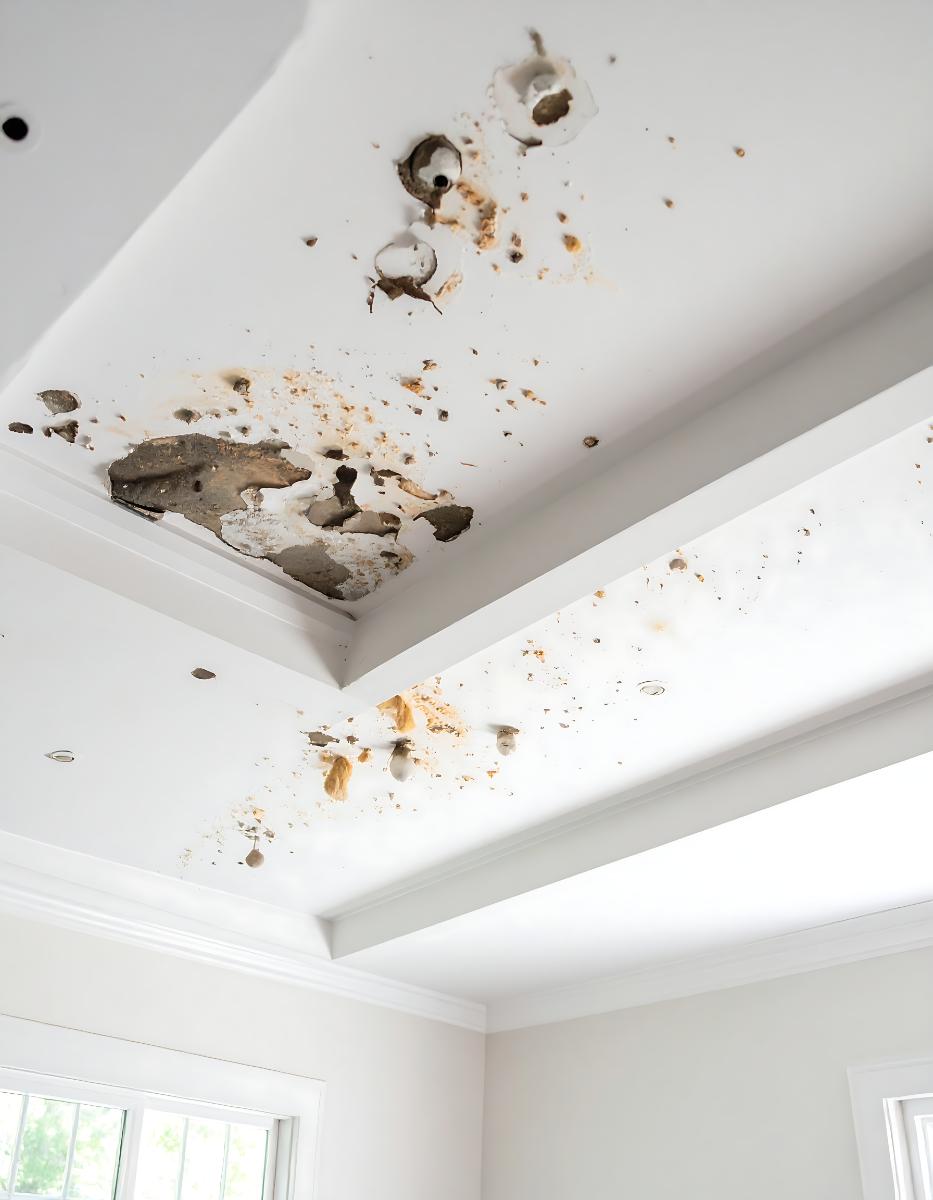
When it comes to black mold removal, understanding the underlying causes is essential. You need to identify moisture sources, as they are the primary culprits. Equally important is the use of protective gear to safeguard your health. With the right strategies, you can effectively manage mold issues in your home. However, knowing the steps to take and the potential pitfalls can be overwhelming. Let’s explore the top solutions that can make a difference.
Key Takeaways
- Identify and eliminate moisture sources by inspecting areas prone to dampness and ensuring proper ventilation to prevent mold growth.
- Use protective gear, including gloves, goggles, and masks, to safeguard yourself during the mold removal process.
- Contain the affected area using plastic sheeting and HEPA air purifiers to prevent the spread of mold spores.
- Apply effective cleaning solutions like vinegar or hydrogen peroxide, scrubbing thoroughly to remove mold from surfaces.
- Consider professional assistance for thorough inspections and safe, effective mold remediation strategies.
Identify the Source of Moisture
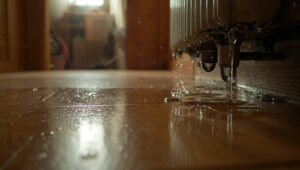
Before tackling black mold removal, you must first identify the source of moisture, as this is often the root cause of mold growth. Common moisture sources include leaks from pipes, condensation from windows, or high humidity levels in your home.
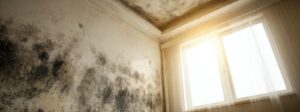
Start by inspecting areas prone to dampness, such as bathrooms, kitchens, and basements. Pay attention to any water stains on walls or ceilings, which can indicate hidden leaks.
Effective humidity control is essential in preventing mold recurrence. Use dehumidifiers in areas with elevated moisture levels and ensure proper ventilation in rooms that generate moisture.
Regularly check for and repair any leaks to maintain a dry environment. By proactively addressing moisture sources, you can create a safer, healthier living space for yourself and your loved ones.
Wear Protective Gear
When tackling black mold removal, wearing protective gear is vital for your safety.
You’ll need essential safety equipment like gloves and goggles, and choosing the right clothing can minimize skin exposure.
Additionally, proper respiratory protection ensures you avoid inhaling harmful spores during the removal process.
Essential Safety Equipment
A thorough approach to black mold removal requires you to prioritize safety, and wearing the right protective gear is essential.
Start with safety goggles to shield your eyes from mold spores and harmful chemicals. Opt for goggles that create a tight seal around your eyes for maximum protection.
Next, focus on glove selection; choose durable, latex or nitrile gloves that prevent skin contact with mold. This minimizes the risk of allergic reactions or skin irritation. Confirm the gloves fit well to maintain dexterity while you work.
By equipping yourself properly, you safeguard your health and create a sense of belonging to a community that values safety during mold remediation efforts.
Prioritizing your well-being sets a responsible example for others.
Proper Clothing Choices
Choosing the right clothing is essential for effective black mold removal. You should opt for mold-resistant clothing that protects your skin while preventing spores from attaching to your attire.
Look for garments made from breathable materials, as these allow for comfort and ventilation during the removal process. When working in potentially contaminated areas, long sleeves and pants are crucial to minimize skin exposure.
Don’t forget to wear gloves and sturdy boots, as they provide additional protection against mold and other hazardous materials.
Respiratory Protection Importance
Respiratory protection is essential during black mold removal, as inhaling mold spores can lead to serious health issues. Protecting your respiratory health isn’t just about safety; it’s about ensuring you’re part of a community that values well-being. When you’re exposed to mold, the risks can escalate quickly.
| Risk Factor | Effects on Health | Protective Gear |
|---|---|---|
| Mold Exposure | Allergic reactions, asthma | N95 respirator |
| Long-term Exposure | Chronic respiratory issues | Full-face respirator |
| Short-term Exposure | Coughing, sneezing | Surgical mask |
| Sensitive Groups | Increased vulnerability | P100 respirator |
| Children & Elderly | Severe health complications | Respiratory protection kit |
Investing in proper gear shows you care for yourself and others. Take the necessary steps to protect your respiratory health.
Contain the Affected Area
To effectively manage black mold removal, containing the affected area is essential. You need to identify containment methods to prevent the mold from spreading.
Start by isolating the contaminated space from the rest of your home. Here are a few methods to evaluate:
Seal Off the Area: Use plastic sheeting to cover doorways and vents.
Create Temporary Barriers: Construct barriers with plywood or drywall to limit access to the moldy region.
Use Air Purifiers: Place HEPA air purifiers in adjacent areas to minimize airborne spores.
Use a HEPA Vacuum
Using a HEPA vacuum is essential in effectively removing black mold spores from your home.
These vacuums capture tiny particles that regular vacuums can miss, ensuring cleaner air and surfaces.
To maximize their effectiveness, it’s important to follow proper vacuuming techniques and maintain the device regularly.
Benefits of HEPA Vacuums
How can a HEPA vacuum make a difference in your mold removal efforts? These specialized vacuums are designed to enhance your cleaning process, ensuring that you effectively remove harmful mold spores from your environment.
By utilizing HEPA filters, you can markedly improve your vacuum efficiency. Here are three key benefits:
Effective Filtration: HEPA filters capture up to 99.97% of particles, including mold spores as small as 0.3 microns.
Reduced Cross-Contamination: A HEPA vacuum minimizes the risk of spreading mold spores to other areas during the cleaning process.
Improved Air Quality: By removing mold spores, you create a healthier living space for you and your family.
Investing in a HEPA vacuum strengthens your mold removal strategy, providing peace of mind and a cleaner home.
Proper Vacuuming Techniques
With a HEPA vacuum in hand, mastering proper vacuuming techniques can greatly amplify your mold removal efforts. Start by ensuring the area is well-ventilated. Next, slowly vacuum the affected surfaces, making multiple passes to capture all mold spores. Pay special attention to corners and crevices where mold may hide.
Here’s a quick reference table for effective vacuuming:
| Step | Action | Purpose |
|---|---|---|
| 1. Ventilate | Open windows | Reduce airborne spores |
| 2. Vacuum Slowly | Multiple passes | Capture more spores |
| 3. Dispose Properly | Seal and discard bags | Prevent recontamination |
Maintenance Tips for HEPA
To ensure your HEPA vacuum remains effective, regular maintenance is essential.
Maintaining the HEPA filters ensures that your vacuum operates at peak performance, capturing harmful particles and allergens efficiently.
Follow these key maintenance tips to enhance your vacuum’s longevity:
- Check and replace HEPA filters according to the manufacturer’s recommendation—typically every 6-12 months.
- Clean the vacuum’s brush roll and hoses regularly to prevent clogs that can hinder suction power.
- Inspect and clean the vacuum’s exterior to maintain its appearance and functionality.
Apply Mold Removal Solutions
Applying effective mold removal solutions requires a systematic approach to ensure thorough eradication of black mold. Start by evaluating the affected area and identifying the extent of the infestation. You’ll want to choose appropriate mold removal techniques that suit your specific situation, whether it’s a small spot or a larger area.
Next, gather effective cleaning solutions—common options include vinegar, hydrogen peroxide, or commercial products designed for mold removal. Make sure you wear protective gear, including gloves and a mask, to safeguard yourself during the process.
Once you’ve selected your cleaning solution, apply it generously to the moldy surfaces, allowing it to penetrate the material. This step is essential for breaking down mold spores effectively.
Scrub Moldy Surfaces
Scrubbing moldy surfaces is a crucial step in the mold removal process, as it helps physically remove the embedded spores and prevents regrowth. By using effective mold removal techniques, you can greatly reduce the chances of mold returning.
Here are some important aspects to take into account:
Choose the right scrubber tools: Use brushes with stiff bristles or sponges specifically designed for mold removal to ensure thorough cleaning.
Apply the right cleaning solution: A mixture of water and vinegar or a commercial mold cleaner can enhance your scrubbing efforts, breaking down mold’s structure.
Focus on high-risk areas: Pay special attention to damp spots, corners, and hidden places where mold tends to thrive.
Incorporating these strategies into your mold removal routine will eliminate the current problem and promote a healthier living environment, making you feel more secure and at home.
Dry the Area Thoroughly
Once you’ve scrubbed the moldy surfaces, verifying that the area is thoroughly dried is essential to prevent any future growth. Effective moisture control is key to eliminating the conditions conducive to mold. Use the following drying techniques to verify your space is properly dried:
| Drying Technique | Description |
|---|---|
| Dehumidifiers | Remove excess moisture from the air |
| Fans | Increase air circulation |
| Heat Sources | Raise temperature to speed up drying |
Implementing these methods aids in drying and helps maintain a healthy indoor environment. After drying, always monitor the area for any signs of moisture and take proactive steps to address potential leaks or humidity issues. This diligence will foster a mold-free space, giving you and your loved ones peace of mind.
Seal and Repair Damaged Ceilings
After you’ve thoroughly dried the area, addressing any damage to ceilings is critical in preventing mold resurgence.
Start by sealing any cracks or holes to prevent moisture from entering. Use mold-resistant materials to ensure long-lasting protection.
Here’s what you should focus on:
Repairing damaged drywall: Replace any sections that are too compromised.
Reinsulating ceiling areas: Make sure you use proper ceiling insulation to keep moisture at bay.
Applying mold-resistant paint: Once repairs are made, a fresh coat can help deter future mold growth.
Prevent Future Mold Growth
To effectively prevent future mold growth, it’s essential to control moisture levels within your home. Start by using mold-resistant materials in areas prone to dampness, such as bathrooms and kitchens. Regular inspections are vital to catch potential issues early and maintain a mold-free environment.
Here’s a quick reference table for effective prevention strategies:
| Strategy | Description | Frequency |
|---|---|---|
| Use Mold-Resistant Materials | Install in moisture-prone areas | During renovations |
| Maintain Humidity Levels | Keep indoor humidity below 60% | Year-round |
| Conduct Regular Inspections | Check for leaks and dampness | Monthly |
Consider Professional Assistance
Even with the best prevention strategies in place, some mold issues can still arise, necessitating professional intervention. When you notice signs of black mold, it’s wise to seek help from experts who specialize in mold inspection and remediation services. This approach ensures a thorough evaluation and effective removal.
Here are a few reasons to contemplate professional assistance:
Expertise: Professionals have the training and experience to identify mold types and assess damage accurately.
Safety: Mold can pose health risks, making it essential to have trained specialists handle the removal safely.
Long-term Solutions: Professionals can provide insights into preventing future mold growth and offer maintenance strategies.
Relying on experts protects your health and fosters a sense of community. You’re not alone in this; professionals are here to help you reclaim your space from mold.
Review
Tackling black mold isn’t just about cleaning; it’s a thorough process that hinges on moisture control. Many believe that simply scrubbing mold away is enough, but without addressing the source, it’ll likely return. By following these ten solutions, you’re removing existing mold and fortifying your home against future infestations. Remember, prevention is key, and sometimes seeking professional help can help you break the mold cycle for good.