
After experiencing a flood, you may face the challenging task of mold removal. As water recedes, the threat of mold growth looms, often within just 24 to 48 hours. Understanding how to identify mold and its health implications is vital. Immediate action is essential, but knowing when to seek professional help can make all the difference. What steps should you take to protect your home and health from this pervasive threat?
Key Takeaways
- Act quickly by drying out affected areas within 24 to 48 hours to prevent mold growth after flooding.
- Identify mold signs such as musty odors, dark spots, and water stains on surfaces.
- Document all damage with photos for insurance claims before starting cleanup efforts.
- Consider hiring professionals for thorough mold inspection and safe removal techniques.
- Utilize community resources for support and information on mold prevention and recovery workshops.
Understanding the Risks of Mold After Flooding
When flooding occurs, the aftermath can create an environment ripe for mold growth if you’re not vigilant. Floodwaters introduce moisture into your home, which can linger in hidden spaces, fostering conditions ideal for mold proliferation. Since mold can develop within 24 to 48 hours after moisture exposure, your response must be swift.
Understanding the risks associated with mold growth following flooding is essential for safeguarding your home and health. Mold not only compromises structural integrity but can also lead to serious health issues, particularly for those with allergies or respiratory conditions.
It’s important to assess your home’s condition post-flooding. Make sure you address any water damage immediately by drying out affected areas, removing contaminated materials, and promoting ventilation.
Identifying Signs of Mold Growth
When you’re evaluating your space for mold, start by paying attention to any musty odors; these often signal hidden growth.
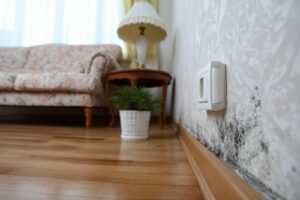
Next, look for visual indicators like dark spots or fuzzy patches on walls and ceilings.
Identifying these signs early can help you tackle mold issues before they escalate.
Musty Odor Detection
How can you tell if mold is lurking in your space? One of the most telling signs is a musty odor.
It’s essential to identify musty odor sources, as they often indicate hidden mold growth. Common sources include damp areas like basements, bathrooms, and behind walls.
To effectively employ odor detection methods, start by pinpointing where the smell is strongest. Use your nose to guide you, as musty odors can be subtle or overpowering.
Keep in mind that even a faint smell can signal a potential problem. Don’t ignore these signs; trust your senses.
Addressing the musty odor early can prevent further mold growth and protect both your health and your home’s integrity.
Visual Mold Indicators
Visual indicators of mold growth can often be more telling than any musty odor.
When you’re evaluating your space, keep an eye out for these signs:
Mold Color: Look for discoloration on walls, ceilings, or floors. Common colors like green, black, or white can signal mold presence.
Moisture Levels: Check for water stains or damp spots. These areas often provide the perfect environment for mold to thrive.
Texture Changes: Notice any peeling paint or warped surfaces. These physical changes might indicate underlying mold growth.
Immediate Steps to Take After a Flood
Although floods can be overwhelming, acting quickly is essential to mitigate damage and prevent mold growth.
Begin by ensuring your safety; check for hazards like downed power lines or unstable structures. If your home is safe, document the damage for your flood insurance claim, taking photos of affected areas and belongings.
Next, gather your emergency kits, which should include essentials like water, food, and first aid supplies.
Remove standing water as soon as possible, using pumps or wet vacuums, and ventilate your space by opening windows and doors.
Dry out affected areas within 24 to 48 hours to discourage mold spores from settling. If possible, remove soaked materials like carpets and drywall.
Keep in mind that the faster you respond, the better your chances are of preventing mold growth and further damage. Your proactive steps can make a significant difference in your recovery journey.
The Importance of Professional Mold Removal
After you’ve taken immediate steps to address flood damage, the risk of mold growth becomes a pressing concern.
Professional mold removal is essential, as it brings mold expertise that goes beyond your capabilities. Here are three key remediation benefits:
Thorough Inspection: Experts can identify hidden mold and moisture sources you might miss.
Safe Removal: Professionals use specialized equipment and techniques to safely eliminate mold, protecting your health.
Prevention Strategies: They provide guidance on preventing future infestations, ensuring your home stays mold-free.
Attempting to handle mold yourself can lead to incomplete removal and potential health risks.
By investing in professional services, you protect your home and ensure a healthier environment for you and your loved ones.
Embracing professional help fosters a sense of community, as you connect with experts dedicated to restoring safety and comfort in your living space.
Mold Remediation Techniques and Methods
When tackling mold issues, your first step is a thorough inspection and assessment to identify the extent of the problem.
Next, you’ll need effective containment and removal strategies to ensure the mold doesn’t spread during cleanup.
Finally, implementing post-remediation prevention measures will help safeguard your space against future infestations.
Inspection and Assessment
To effectively tackle mold issues, a thorough inspection and assessment are essential steps that set the foundation for successful remediation.
Begin by identifying problem areas, as this helps prioritize your efforts.
Consider these key aspects during your inspection:
Mold Testing: Conduct tests to determine the type and concentration of mold present.
Moisture Control: Assess humidity levels and pinpoint sources of moisture that contribute to mold growth.
Structural Integrity: Examine walls, ceilings, and floors for signs of water damage or deterioration.
Containment and Removal
Effective mold remediation starts with proper containment to prevent spores from spreading during removal.
You’ll want to implement effective containment strategies, such as sealing off affected areas with plastic sheeting and using negative air pressure to control airflow. This minimizes exposure and protects unaffected spaces.
Once containment is established, you can focus on removal techniques.
Use a combination of HEPA vacuums and damp wiping to eliminate mold from surfaces. For porous materials, like drywall, removal might be necessary.
Ensuring you wear appropriate personal protective equipment (PPE) is essential to safeguard your health throughout the process.
Post-Remediation Prevention
Although mold removal is a crucial step, post-remediation prevention is essential to ensure that the problem doesn’t return.
You need to focus on effective post-flood maintenance and moisture control. Here are three key strategies to evaluate:
Regular Inspections: Check for any signs of moisture or mold in areas prone to dampness, like basements and bathrooms.
Humidity Control: Keep indoor humidity levels below 60% using dehumidifiers and proper ventilation in high-moisture areas.
Immediate Repairs: Fix leaks and water damage promptly to prevent mold spores from thriving.
Preventing Future Mold Infestations
Preventing future mold infestations requires a proactive approach that addresses the underlying conditions conducive to mold growth.
Start by using mold-resistant materials when renovating or repairing your home. These materials can greatly reduce the likelihood of mold taking hold.
Additionally, prioritize regular maintenance of your property. Inspect areas prone to moisture, such as basements and bathrooms, and fix any leaks promptly. Confirm proper ventilation throughout your home, especially in high-humidity areas.
Keep your indoor humidity levels below 60% by using dehumidifiers when necessary. Clean and dry any water-damaged items within 24 to 48 hours to prevent mold growth.
Finally, establish a routine for checking your home’s roof, gutters, and drainage systems to prevent water buildup.
Health Implications of Mold Exposure
How can exposure to mold impact your health? Mold can pose significant health risks, especially for those with allergies or respiratory conditions.
It’s vital to recognize the potential symptoms and take them seriously. Here are three common mold symptoms you might experience:
Respiratory Issues: Coughing, wheezing, or difficulty breathing can signal mold exposure, particularly for those with asthma.
Allergic Reactions: You might notice sneezing, itchy eyes, or skin rashes, indicating an allergy to mold spores.
Chronic Fatigue: Persistent tiredness or headaches could also stem from prolonged exposure to mold.
Ignoring these symptoms can lead to more severe health issues, so it’s important to address mold infestations promptly.
The sooner you act, the better chance you have of protecting your health and well-being.
Resources for Flood Recovery and Mold Removal Services
After addressing the health implications of mold exposure, it’s important to contemplate the resources available for flood recovery and mold removal services.
Start by checking local government websites for information on flood recovery programs, which often provide financial assistance and resources. Nonprofit organizations also play a significant role, offering guidance and support for affected individuals.
When it comes to mold removal, professional services are essential. Look for certified mold remediation companies with strong reputations; they can effectively address the problem and prevent future growth.
Additionally, local community centers may host workshops on mold prevention, equipping you with valuable knowledge and practical tips.
Recap
In the wake of a flood, taking swift steps to stave off mold is essential for your home and health. By understanding the risks and recognizing the signs, you can effectively combat this creeping concern. Seeking specialized support ensures a thorough treatment, transforming your damp dwelling into a safe sanctuary. Stay vigilant and proactive to prevent pesky mold from invading your life again. Remember, a mold-free home fosters a healthier, happier habitat for you and your loved ones.