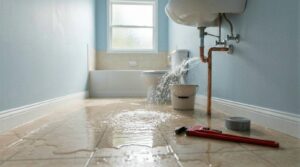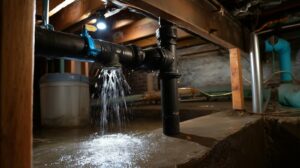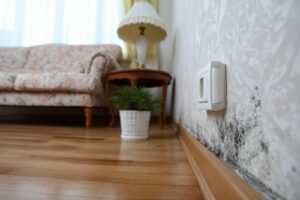

Water damage can strike unexpectedly, leaving you with an intimidating cleanup task. It’s vital to handle the situation methodically to prevent further issues like mold growth or structural damage. Start by evaluating the extent of the damage and taking necessary safety precautions. Once you’ve confirmed a safe environment, you’ll need to strategically remove standing water and dry the affected areas. The process doesn’t end there, as cleaning and disinfecting surfaces is essential for a thorough recovery.
Key Takeaways
- Identify the source of water damage and inspect affected areas for signs of mold or structural weakness.
- Wear safety gear and turn off power to prevent electrical hazards during cleanup.
- Remove standing water using a wet/dry vacuum or submersible pump for larger areas.
- Dry affected areas thoroughly with fans and dehumidifiers, monitoring moisture levels consistently.
- Clean and disinfect surfaces with EPA-approved solutions, ensuring proper ventilation to prevent mold growth.
Assessing the Extent of Water Damage
When you first discover water damage, it’s essential to evaluate the extent of the issue before taking any cleanup steps.
Start by identifying the water source; whether it’s a leaky pipe, flooding, or a faulty appliance, knowing the origin helps prevent further damage.
Once you’ve located the source, it’s time for damage estimation. Inspect the affected areas thoroughly—check walls, ceilings, and floors for discoloration, softness, or mold growth.
Document everything with photographs and notes to keep track of the severity and to assist professionals if you need to call them in.
Pay attention to any belongings that may have been affected; they might require special attention or replacement.
Ensuring Safety Precautions
Before diving into cleanup efforts, it’s crucial to prioritize your safety.
Begin by donning appropriate safety gear, including gloves, boots, and a mask. This gear protects you from contaminants and sharp objects that may have surfaced during the water damage.
Next, make sure you’re aware of potential hazards in your environment.
Check for electrical hazards, as standing water can conduct electricity. If you suspect any risks, turn off the power to the affected area before proceeding.
Keep a first aid kit nearby in case of minor injuries, and have a cell phone handy for emergencies.
If the water damage is extensive, consider enlisting professional help to mitigate risks.
Removing Standing Water
Removing standing water is a critical step in the cleanup process, as it helps prevent further damage and reduces the risk of mold growth.
To effectively handle this task, you can employ various water extraction and drainage methods. Here’s what you need to do:
Use a Wet/Dry Vacuum: This is ideal for small amounts of standing water.
Employ a Submersible Pump: For larger areas, a pump can quickly remove water.
Utilize Towels or Mops: Manually soak up excess water in hard-to-reach spots.
Check for Drainage Options: Ascertain that floor drains are clear and functional.
Assess the Area: Identify any hidden pockets of water that may need attention.
Drying Affected Areas
Once you’ve removed standing water, it’s essential to assess moisture levels in the affected areas.
Use a moisture meter to pinpoint damp spots and ensure thorough drying.
Implement effective drying techniques, such as using fans, dehumidifiers, and opening windows, to expedite the process and prevent mold growth.
Assessing Moisture Levels
As you begin the drying process after water damage, accurately evaluating moisture levels in affected areas is essential to prevent further complications like mold growth.
Use the following steps to ensure effective moisture detection and humidity control:
Utilize a moisture meter: This tool gives you precise readings of moisture content in walls, floors, and furniture.
Check for hidden dampness: Inspect behind cabinets and under carpets where water may accumulate unnoticed.
Monitor humidity levels: Keep an eye on indoor humidity using a hygrometer to maintain ideal levels.
Perform visual inspections: Look for discoloration, warping, or peeling paint that may indicate moisture issues.
Document findings: Keep a detailed record of moisture levels to track progress during the drying process.
Effective Drying Techniques
Although water damage can be overwhelming, effective drying techniques are vital for restoring your space and preventing long-term issues.
Start by improving air circulation; open windows and doors to let fresh air flow through. Use fans strategically to speed up the drying process in affected areas.
If you have drying equipment like dehumidifiers, set them up to remove excess moisture from the air. Monitor humidity levels regularly to verify they’re dropping.
For carpets and upholstery, lift them to allow air to circulate underneath.
Remember, the key is to dry everything thoroughly within 24 to 48 hours to prevent mold growth.
Cleaning and Disinfecting Surfaces
Before you start cleaning and disinfecting surfaces, gather all necessary supplies, including gloves, disinfectants, and microfiber cloths.
Use effective disinfecting techniques, such as wiping down surfaces with a solution that kills mold and bacteria.
After cleaning, ensure proper drying and ventilation to prevent future mold growth and maintain a safe environment.
Gather Cleaning Supplies
To effectively clean and disinfect surfaces after water damage, you’ll need a selection of essential supplies.
Creating a supply checklist ensures you have everything necessary for a successful cleanup. Gather the following cleaning equipment to get started:
- Heavy-duty gloves
- N95 respirator mask
- Buckets for water and cleaning solutions
- Scrub brushes or sponges
- Disinfectant solution
These items will help you tackle the various surfaces affected by moisture.
Make sure to have them on hand before you begin the cleaning process. Having a well-prepared supply checklist keeps you organized and fosters a sense of belonging as you engage in the shared experience of recovery from water damage.
Disinfecting Techniques
Once you’ve gathered your cleaning supplies, it’s crucial to use effective disinfecting techniques to ensure all surfaces are thoroughly cleaned and free of harmful pathogens.
Start by using suitable disinfecting products, such as EPA-approved solutions, to treat high-touch areas like doorknobs, light switches, and countertops. Apply the disinfectant generously and let it sit for the recommended time to ensure effective sanitizing.
For soft surfaces, consider using a fabric-safe disinfectant spray. When cleaning, use separate cloths for different areas to avoid cross-contamination.
Drying and Ventilation
After disinfecting surfaces, drying and proper ventilation play an essential role in preventing mold growth and further damage.
To effectively manage moisture control and enhance air circulation, follow these steps:
- Open windows and doors to promote natural airflow.
- Use fans to increase air circulation throughout the affected areas.
- Dehumidifiers can greatly reduce moisture levels.
- Check and clean air filters in your HVAC system to ensure peak performance.
- Monitor humidity levels with a hygrometer to keep them in check.
Preventing Future Mold Growth
While you may have successfully cleaned up after water damage, it’s crucial to take proactive steps to prevent future mold growth. Start by implementing humidity control measures. Aim to keep indoor humidity levels between 30% and 60%. Use dehumidifiers in damp areas and make certain proper ventilation throughout your home.
Next, inspect and repair any leaks in pipes, roofs, or walls promptly. Water intrusion is a mold’s best friend, so stay vigilant.
Also, consider using mold prevention products on susceptible surfaces, like bathrooms and kitchens. Regularly clean these areas with mold-resistant cleaners.
Finally, check your home’s drainage system. Make certain gutters direct water away from your foundation, minimizing moisture exposure.
Frequently Asked Questions
How Long Does It Take for Water Damage to Become Serious?
Water damage can escalate within 24 to 48 hours. You’ll notice severity indicators like mold growth, structural damage, and unpleasant odors. Keep an eye on these signs to prevent further issues and protect your home.
What Insurance Coverage Is Available for Water Damage Cleanup?
You’ll find various insurance policies covering water damage cleanup, including homeowners, renters, and flood insurance. Review your policy details to check for specific coverage limits and exclusions related to water damage events.
Can I Use a Regular Vacuum to Remove Water?
You can’t use a regular vacuum for water extraction. It’s like trying to catch rain with a sieve. Opt for a wet/dry vacuum instead; it’s designed for water removal, ensuring efficient cleanup and protecting your space.
What Personal Protective Equipment Is Recommended During Cleanup?
You should wear rubber gloves to protect your hands and a mask, preferably an N95 or better, to filter airborne particles. These precautions help ensure your safety while handling potentially hazardous materials during cleanup.
When Should I Hire a Professional for Water Damage Restoration?
When water damage strikes, don’t wait too long; call restoration services immediately. If the damage is extensive, you notice mold, or you’re unsure about safety, professionals will ensure a thorough, safe recovery and peace of mind.
Wrap-Up
Tackling water damage can feel like steering through a stormy sea, but with the right steps, you can guide your way to safety. Just like a sailor checks their compass before setting sail, assess your damage first and follow each step carefully. By staying vigilant and proactive, you won’t just recover your space; you’ll build a shield against future threats. Remember, a clean and dry environment is your sturdy vessel in the unpredictable waters of home maintenance.