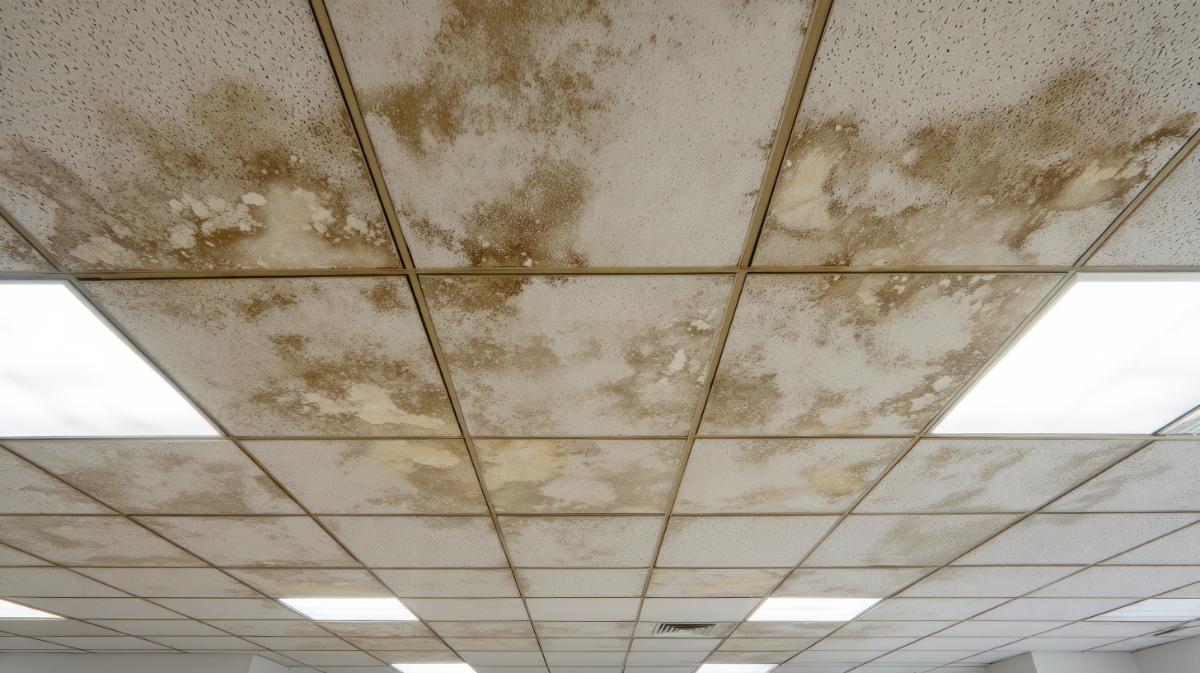
Black mold isn’t always a harbinger of catastrophic damage lurking behind your walls. While it often indicates some level of moisture problem, the extent of damage can vary markedly. You might spot small patches due to minor leaks, or you could face a more serious situation with persistent growth. Understanding the implications of black mold is essential, as it can directly affect your home and health in ways you may not expect. What should you look for?
Key Takeaways
- Black mold indicates moisture presence, but not all cases indicate major structural damage.
- Visible mold may be isolated; damage assessment is necessary to determine extent.
- Mold can thrive in minor leaks or humidity issues without significant structural compromise.
- Persistent moisture sources should be addressed to prevent future mold growth.
- Professional inspection can help assess potential damage and necessary remediation steps.
Understanding Black Mold and Its Causes
Black mold, scientifically known as Stachybotrys chartarum, is a type of fungus that thrives in damp, humid environments. Understanding the causes of black mold can help you prevent its growth and the associated health effects.
Common mold types include Cladosporium and Aspergillus, which can also occur in your home, but black mold is particularly concerning due to its potential toxicity.
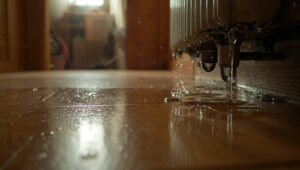
Moisture is the primary catalyst for mold development, often stemming from leaks, condensation, or inadequate ventilation. When you notice persistent dampness, it’s vital to address it promptly to avoid creating an environment conducive to mold.
Health effects linked to black mold exposure can range from respiratory issues to allergic reactions, making it essential to recognize and mitigate risks.
Signs of Black Mold in Your Home
When you suspect mold might be lurking in your home, recognizing the signs early can help you address the issue before it escalates. One of the most telling indicators of black mold is a musty smell, often described as earthy or stale.
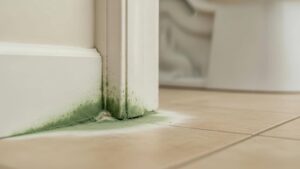
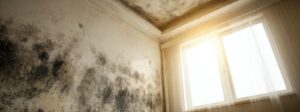
You might also notice visible patches that are typically black or dark green, often found in damp areas like bathrooms or basements. Pay attention to any unexplained stains on walls, ceilings, or floors; these may signal hidden mold growth.
Additionally, if you or your family members experience persistent respiratory issues, eye irritation, or skin rashes, it could be linked to exposure to black mold. These health risks make it essential to act quickly.
Regularly inspecting your home for these signs can prevent potential hazards, ensuring your living space remains safe and healthy for everyone. Don’t overlook any unusual changes—your well-being depends on it.
Evaluating the Extent of Damage
Identifying the signs of black mold is only the first step; evaluating the extent of damage it may have caused is equally important.
Conducting a thorough damage assessment helps you understand the impact on your home and your health.
To effectively evaluate the damage, consider the following:
Location: Inspect areas where mold is present and look for signs of water intrusion.
Surface Damage: Check walls, ceilings, and flooring for discoloration or deterioration.
Structural Integrity: Assess any structural elements that may have been compromised due to prolonged moisture.
Moisture Control: Determine if the source of moisture has been addressed to prevent future mold growth.
Prevention and Maintenance Strategies
To effectively prevent black mold from taking hold in your home, it’s essential to implement proactive maintenance strategies that address moisture control and air quality.
Start by using mold-resistant materials, especially in areas prone to dampness, like bathrooms and kitchens. These materials can greatly reduce the risk of mold growth.
Next, monitor humidity levels throughout your home, ideally keeping them between 30% and 60%. You can achieve this by utilizing dehumidifiers in moisture-rich areas and ensuring proper ventilation, particularly in spaces like basements and attics.
Regularly inspect your plumbing for leaks, as even small drips can create ideal conditions for mold.
Finally, encourage good air circulation by opening windows when the weather permits and using exhaust fans during cooking and bathing.
Professional Mold Remediation Services
Even with the best prevention and maintenance strategies in place, situations may arise where black mold appears despite your efforts. When this happens, seeking professional mold remediation services is essential.
These experts utilize advanced mold inspection methods to identify the source and extent of the problem, ensuring a thorough approach to recovery.
Here are some effective remediation techniques they often employ:
- Containment: Preventing mold spores from spreading to unaffected areas.
- Air Filtration: Using HEPA filters to capture airborne spores and improve air quality.
- Removal: Safely discarding contaminated materials while following safety regulations.
- Cleaning and Disinfection: Treating surfaces to eliminate remaining mold and prevent regrowth.
Wrap-Up
In the end, while black mold often raises eyebrows, it doesn’t always spell disaster. Small patches can be mere whispers of moisture issues, but larger infestations may hint at deeper troubles beneath the surface. By taking proactive steps to assess and address mold growth, you can safeguard your home and health. Remember, understanding the nuances of black mold allows you to navigate potential challenges with confidence, ensuring your living space remains a safe haven for you and your loved ones.