Mold after flooding can be like a silent predator, quietly taking hold of your environment and threatening health. You need to act swiftly and methodically to ensure effective remediation. First, evaluating the extent of mold growth is vital. But knowing where to start and how to safely navigate this process can make all the difference in restoring your space. Understanding the right techniques and precautions is essential for a successful outcome.
Key Takeaways
- Inspect the affected area for visible mold and hidden moisture, using moisture meters to guide your remediation approach.
- Wear appropriate PPE, ensure proper ventilation, and seal off contamination zones to prevent mold spores from spreading.
- Dispose of irreparable materials like drywall and carpets, and clean surfaces with mold-specific cleaners and disinfectants.
- Utilize fans and dehumidifiers to thoroughly dry out affected areas and maintain humidity levels below 60% to prevent future growth.
- Regularly monitor and inspect for leaks or water damage, and educate occupants on mold prevention strategies to maintain a healthy environment.
Assessing the Extent of Mold Growth
Before you begin remediation, it’s essential to assess the extent of mold growth in your home.
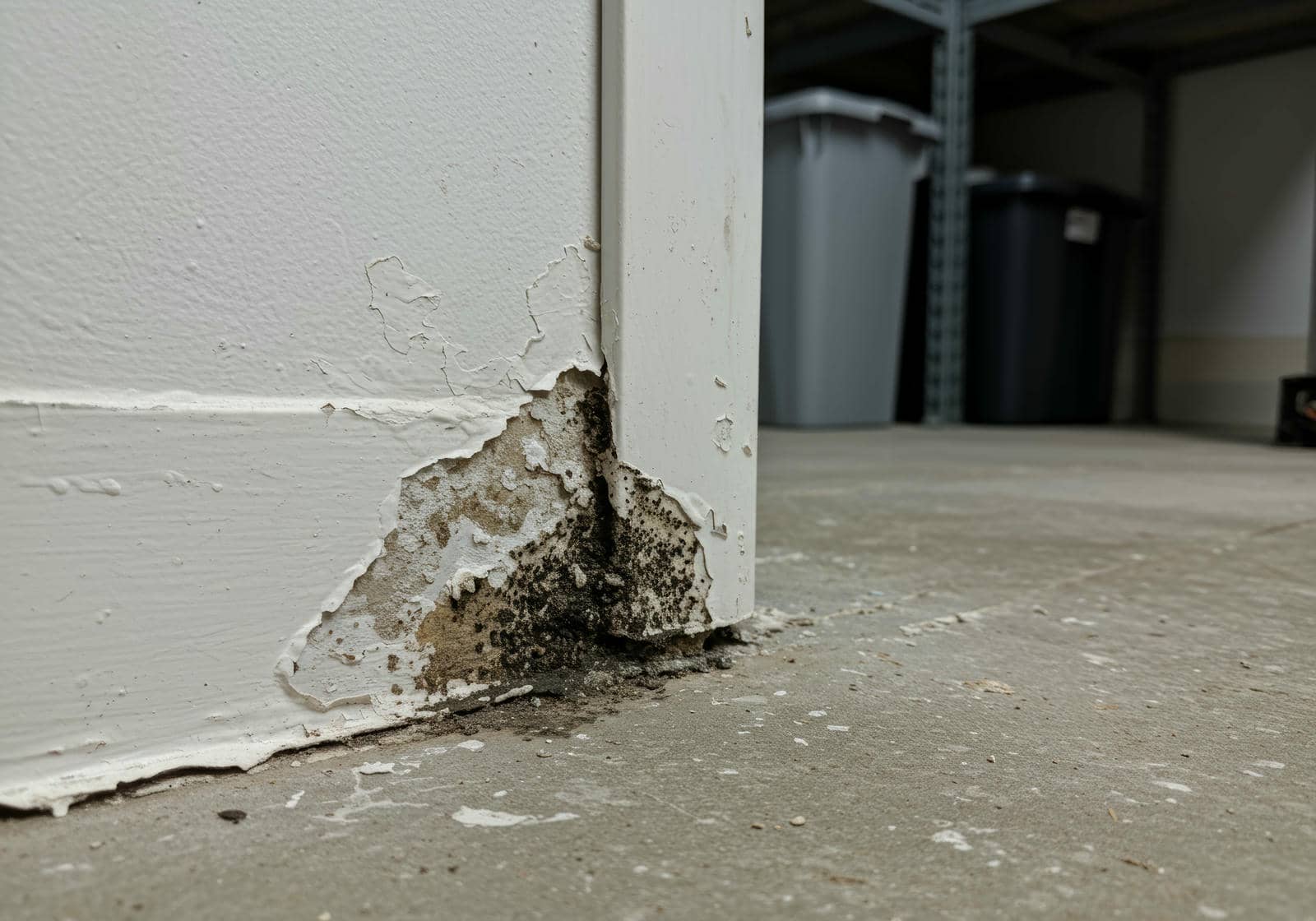
Start by identifying the mold types present, as different species require varying approaches for effective removal. Common types include Cladosporium, Aspergillus, and Stachybotrys, each thriving under specific growth conditions like moisture and temperature.
Inspect areas with visible water damage, such as walls, ceilings, and flooring, and check for hidden mold in confined spaces.
Use a moisture meter to measure dampness levels; elevated readings can indicate potential mold growth.
Document your findings, noting the severity and location of the mold. This assessment will guide your remediation strategy and help you determine if professional assistance is necessary.
Ensuring Safety Precautions for Remediation
Before starting mold remediation, you must prioritize your safety by using appropriate personal protective equipment (PPE).
Ascertain proper ventilation and airflow in the affected area to minimize inhalation risks and maximize drying efficiency.
Additionally, follow safe disposal methods for contaminated materials to prevent further spread of mold spores.
Personal Protective Equipment
When tackling mold remediation after flooding, using the right personal protective equipment (PPE) is vital for your safety.
Start with N95 respirators to filter airborne spores, and wear gloves made from nitrile or latex to protect your hands. A full-face mask offers additional protection for your eyes and face. Coveralls or disposable suits help prevent contamination of your clothing.
Follow usage guidelines meticulously: verify your PPE fits properly, and replace it if damaged. Always wear boots that can be easily cleaned or disposed of.
By equipping yourself with appropriate PPE types and adhering to these guidelines, you create a safer environment for yourself and others during the mold remediation process.
Prioritize your safety; it’s essential for effective remediation.
Ventilation and Airflow
Ensuring proper ventilation and airflow is essential during mold remediation, as stagnant air can exacerbate mold growth and pose health risks.
Utilize effective ventilation systems to enhance airflow management throughout the affected area. Open windows and doors to promote cross-ventilation, allowing fresh air to circulate and reduce humidity levels.
You might consider using fans to facilitate airflow, directing them towards windows to expel contaminated air outside. Additionally, monitor indoor humidity with hygrometers; keeping levels below 60% can deter mold proliferation.
Remember, maintaining a well-ventilated workspace protects you and helps ensure a successful remediation process.
Safe Disposal Methods
Effective disposal methods are essential in mold remediation, as improper handling can lead to further contamination and health risks. Using biodegradable bags for contaminated materials is a responsible choice, as they minimize environmental impact. It’s crucial to label and manage hazardous waste properly, ensuring it’s disposed of according to local regulations.
| Material Type | Disposal Method |
|---|---|
| Moldy drywall | Seal in biodegradable bags |
| Contaminated textiles | Wash, then dispose in bags |
| Furniture | Clean and treat, or discard |
| Cleaning supplies | Dispose of as hazardous waste |
Following these guidelines protects your health and fosters a safer community. Always prioritize safety and adhere to local disposal regulations during your remediation process.
Containing the Affected Area
To effectively contain the affected area, start by identifying the contamination zone where mold is present.
Once identified, seal off the area to prevent spores from spreading to other parts of your home.
Finally, establish airflow control to minimize the risk of airborne mold particles escaping during remediation.
Identify Contamination Zone
When dealing with mold remediation after flooding, it’s crucial to quickly identify the contamination zone, which encompasses all areas affected by water damage.
Accurate identification minimizes health risks and accelerates the remediation process. Use effective mold identification techniques and contamination assessment methods to pinpoint affected areas.
- Inspect visible surfaces for mold growth.
- Check behind walls and under carpets where moisture may linger.
- Use moisture meters to detect hidden dampness.
- Conduct air quality tests to assess airborne spores.
Seal Off Area
Once you’ve identified the contamination zone, sealing off the area is vital to prevent the spread of mold spores to unaffected spaces.
Start by using plastic sheeting to cover doorways and vents, ensuring an airtight seal. Employ sealing techniques like tape to secure the edges of the plastic, minimizing any gaps where spores could escape.
It’s important to check for any cracks or openings in walls and floors, which can allow mold growth to spread. Additionally, consider using airlocks or negative pressure systems to further contain the spores.
Establish Airflow Control
Establishing airflow control is essential in containing the affected area and preventing mold spores from dispersing into other spaces.
By managing air quality and moisture control effectively, you can minimize the risk of mold spreading. Here’s how to establish airflow control:
- Seal windows and doors to prevent outside air from entering.
- Utilize fans to direct airflow towards a designated exit point, ensuring mold spores are contained.
- Monitor humidity levels using dehumidifiers to keep moisture at bay.
- Change air filters frequently to trap airborne spores and maintain better air quality.
Removing Contaminated Materials
Removing contaminated materials is an imperative step in mold remediation after flooding. You need to identify and dispose of items that are beyond restoration to prevent mold from spreading. Common materials that may need removal include drywall, insulation, and carpets. Always opt for mold-resistant materials during the restoration process to minimize future risks.
| Material Type | Recommended Action |
|---|---|
| Drywall | Remove and replace |
| Insulation | Dispose of and replace |
| Carpets | Remove and discard |
| Wooden furniture | Clean or replace, if damaged |
| Upholstered items | Dispose of it if heavily infested |
Utilizing proper restoration techniques is vital. Confirm you wear protective gear while handling contaminated materials, and seal them in plastic bags for safe disposal. This proactive approach helps maintain a healthier environment for you and your loved ones.
Cleaning and Disinfecting Surfaces
After disposing of contaminated materials, the next step is to clean and disinfect all remaining surfaces to eliminate any lingering mold spores and prevent future growth.
Effective mold removal techniques and surface treatment methods are essential for ensuring a safe environment.
Here are some key steps to follow:
Use a mixture of water and detergent: This helps remove dirt and mold from surfaces.
Apply a commercial mold cleaner: Follow the manufacturer’s instructions for best results.
Ensure adequate ventilation: Open windows or use fans to reduce moisture and improve air circulation during cleaning.
Utilize a disinfectant: Choose one that’s effective against mold and mildew to further ensure surfaces are sanitized.
Drying and Dehumidifying the Environment
Once you’ve cleaned and disinfected surfaces, drying and dehumidifying the environment is vital to prevent mold regrowth.
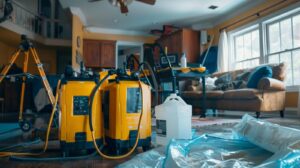
You should start by employing effective drying techniques. Use fans to circulate air and promote evaporation, particularly in areas with high moisture levels. Open windows and doors when possible to enhance ventilation.
Dehumidifier selection is essential; choose a unit with sufficient capacity for your specific space. A unit that can remove at least 70 pints of moisture per day is generally recommended for flooded areas.
Position it in the most affected areas to maximize efficiency.
Monitor humidity levels with a hygrometer, aiming to keep them below 60%. This will greatly reduce the likelihood of mold spores settling and thriving.
Preventing Future Mold Growth
To effectively prevent future mold growth, it’s essential to address underlying moisture issues in your home.
Start by implementing the following strategies:
Use mold-resistant materials in areas prone to moisture, such as bathrooms and kitchens.
Maintain proper ventilation in all spaces to reduce humidity levels.
Conduct regular inspections of your home, focusing on basements, attics, and areas around windows.
Fix leaks and water damage immediately to prevent mold spores from taking hold.
Review
In the journey of mold remediation, you’re the vigilant gardener, uprooting the weeds of contamination to restore your home’s health. By following these steps, you eliminate the immediate threat and cultivate a resilient environment. Just as a garden flourishes with care and attention, so too can your space thrive when you implement preventive measures. Stay committed to regular inspections and maintenance, ensuring your sanctuary remains free from the shadows of mold’s return.