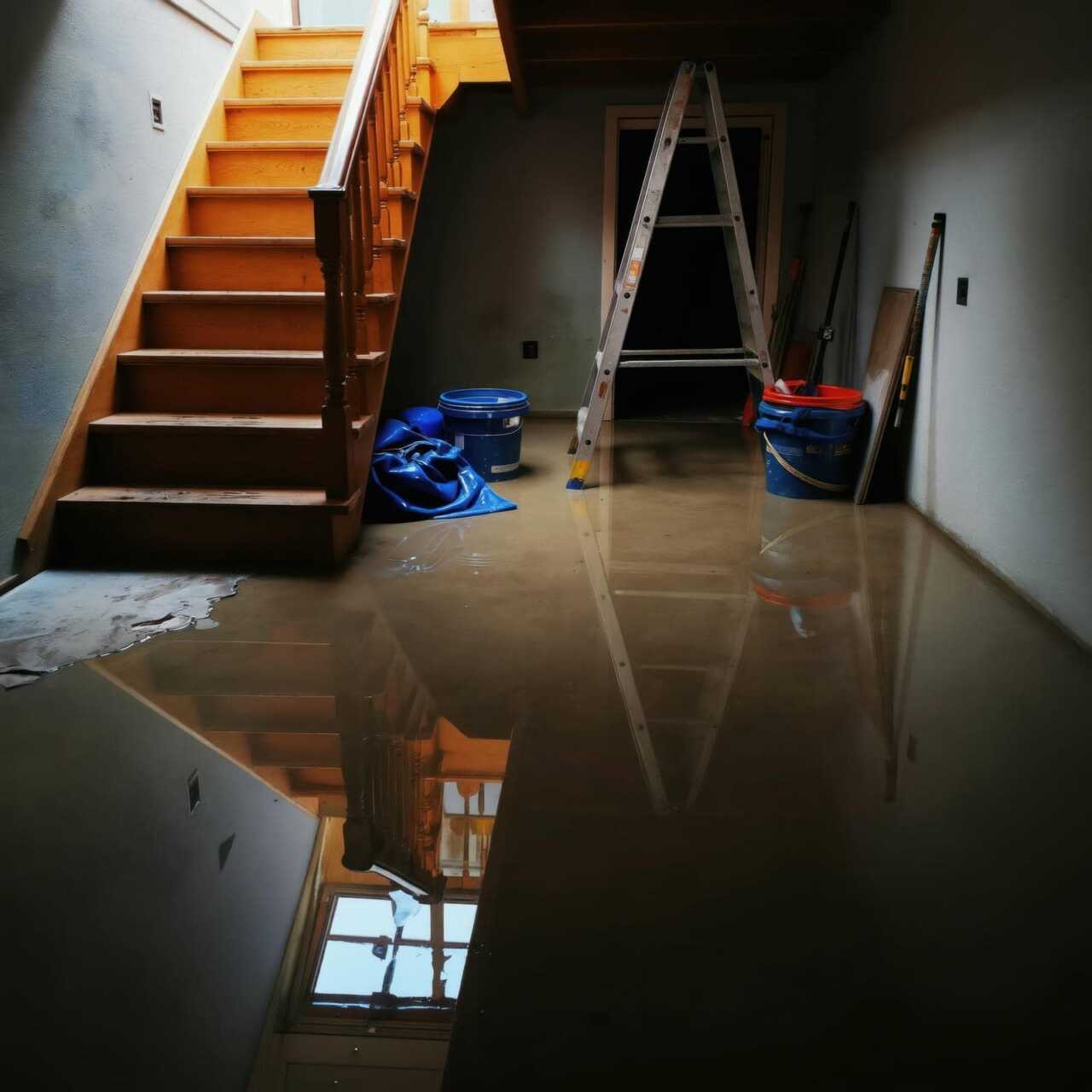
Flood Damage requires a careful response because contaminated water can create serious health and structural risks. Begin by checking for sewage hazards, stopping the source of the water if possible, and wearing appropriate protective equipment before entering the affected area. Remove standing water and debris, clean and disinfect salvageable surfaces, and remove porous materials that cannot be safely restored. Proper drying and moisture control are essential to prevent mold growth and hidden damage. Understanding the severity of the flood damage helps determine when professional restoration is needed to fully protect your property.
Key Takeaways
- Wear protective gear, including gloves, boots, goggles, and a respirator if mold or sewage contamination is present.
- Stop the water source, isolate the flooded area, and avoid using plumbing until the backup is fully controlled.
- Remove standing water and damaged debris, then bag contaminated materials for proper disposal.
- Clean hard surfaces with detergent and water, then disinfect with an EPA-registered product using the recommended contact time.
- Dry the area quickly with fans and dehumidifiers, keep humidity below 50%, and call professionals for raw sewage or large-scale damage.
Check for Sewage Safety Hazards First
Before you clean anything, check for sewage contamination and treat the area as hazardous if floodwater entered through drains, toilets, or backed-up pipes.
You need to protect yourself and anyone helping you by assuming sewage exposure until you verify conditions are safe. Wear gloves, boots, eye protection, and a fitted respirator if aerosolized waste may be present.
Keep children, pets, and anyone with weak immunity out of the area. Don’t touch porous materials, standing water, or contaminated surfaces with bare skin.
Mark the space as unsafe, ventilate it if you can do so without contact, and wash hands and gear after every task.
These steps reduce health risks and help your household work together safely while you assess damage.
Stop the Sewage Source
You need to shut off sewer flow at the main valve or contact the utility if you can’t access it safely.
Once you stop the source, isolate contaminated areas with barriers and restrict entry to prevent further spread.
This containment step limits exposure and helps you control cleanup conditions.
Shutting Off Sewer Flow
If sewage is backing up into your home, shut off the source as quickly as it’s safe to do so. You can usually stop a sewer backup by closing the main sewer cleanout or contacting your utility for emergency shutdown instructions.
If you have a backwater valve, lock it in the closed position according to the manufacturer’s guide. Don’t flush toilets, run sinks, or use appliances until flow stops.
Note any drainage solutions that may fail, such as clogged lateral lines, and report them to a licensed plumber. Work with your household so everyone knows which fixtures are off-limits.
Fast action limits contamination, protects your structure, and helps you regain control with your neighbors and family. Document the shutoff time for later cleanup and insurance claims.
Isolating Contaminated Areas
Once the sewer source is controlled, isolate the contaminated zones right away so the rest of the home stays protected.
Close doors, block hallways with plastic sheeting, and tape seams to limit spread. If you can, set up a single entry point for cleanup gear and PPE.
Turn off HVAC vents in the affected area so airborne particles don’t travel. Mark the boundary clearly and keep children, pets, and unprotected helpers out.
During contamination assessment, document visible sewage, damaged materials, and any wet insulation or carpet.
Follow flood safety practices by keeping clean and dirty tools separate. You’re not handling this alone; a tight perimeter helps your household work together, reduce exposure, and move toward safe drying, removal, and disinfection without widening the problem.
Wear Protective Gear Before Cleanup
Before you enter a flood-damaged area, put on protective gear that limits contact with contaminated water, mud, and debris. Choose protective clothing that covers your arms, legs, and torso, and seal gaps at wrists and ankles when you can.
Wear waterproof boots with slip-resistant soles to improve footing on wet surfaces. Use safety goggles to protect your eyes from splashes and airborne particles, and add a well-fitting respirator if dust or mold is present.
Put on sturdy gloves that extend past your wrists and inspect them for tears before each use. Keep your gear on until you’ve left the area and removed it safely.
Your team stays safer when everyone follows the same protection routine and checks one another’s equipment.
Remove Standing Sewage Water and Debris
Pump out standing sewage water as soon as it’s safe to do so, using a sump pump, wet/dry vacuum rated for contaminated water, or a professional remediation crew.
You’ll want to keep the area well ventilated and limit traffic so you don’t spread contamination.
Use proven sewage removal techniques: work from the cleanest edge toward the dirtiest area, and remove water in manageable sections.
Collect solid waste, sludge, and damaged porous debris with shovels, heavy-duty bags, and lined bins.
Follow local debris disposal methods for contaminated material, and separate hazardous items from general trash.
Move all waste to a designated pickup point, then document what you’ve removed so your team stays coordinated.
If you’re methodical now, you’ll make the next cleanup steps safer and smoother for everyone involved.
Clean and Disinfect Sewage-Contaminated Surfaces
Remove and discard any porous materials that contacted sewage, since they can retain contamination and can’t be reliably cleaned.
Then wash hard surfaces with detergent and water to remove residue before disinfection.
Apply a disinfectant labeled for sewage cleanup, and keep the surface wet for the full contact time on the product label.
Remove Contaminated Materials
Scrub away sewage contamination as soon as it’s safe to enter the area.
Then remove soaked carpet, padding, drywall, insulation, and other porous items that can’t be reliably cleaned.
Bag flood debris promptly and keep it separate from salvageable items so you protect your team’s workspace and limit cross-contamination.
Wear gloves, boots, and a respirator rated for the hazard level, and cut materials into manageable sections before lifting them out.
Place waste in heavy-duty bags or covered containers for material disposal according to local rules.
Don’t drag contaminated materials through clean rooms.
If framing or subflooring stayed wet, mark it for later evaluation rather than guessing.
Work methodically, maintain clear paths, and coordinate with others so everyone stays safe and aligned.
Disinfect Hard Surfaces
Once you’ve removed porous materials, clean and disinfect all hard, nonporous surfaces that were exposed to sewage or floodwater.
Wear gloves, boots, and eye protection, then wash surface materials with hot water and detergent to remove silt, grease, and organic residue. Rinse thoroughly.
Apply an EPA-registered disinfectant or a bleach solution mixed per label directions; don’t guess the dilution. Keep the surface wet for the full contact time so the disinfection techniques work.
Scrub corners, seams, and grout, because contaminants hide there. Rinse food-contact surfaces with safe water after disinfection.
Open windows and run fans to improve airflow. If surfaces remain stained, tacky, or odoriferous, repeat the process.
When you clean together as a team, you help restore a safe, healthy space for everyone.
Dry Out Walls, Floors, and Furniture
Start drying immediately to limit mold growth and structural damage. You should open windows, run fans, and use dehumidifiers to move moisture out of the space.
Remove wet rugs, cushions, and loose items so air can reach the subfloor. For wall drying, cut away saturated drywall above the flood line and expose cavities only if you can do it safely.
Pull baseboards, then check insulation and framing for trapped water. Lift flooring edges if needed to let underlayers dry.
For furniture restoration, move pieces to a dry area, wipe off standing water, and separate cushions from frames. Set furniture on blocks to improve airflow.
Keep monitoring with a moisture meter until readings return near normal. Work methodically, and your cleanup team can restore the room faster and with less hidden damage.
Prevent Mold After Sewage Cleanup
After you’ve dried the affected area, treat any sewage-contaminated surface as a mold risk until it’s fully cleaned and sanitized.
Scrub hard surfaces with detergent and water, then apply a disinfectant approved for sewage cleanup and follow the label contact time.
Remove porous items that stayed wet, because hidden growth can spread fast.
Keep indoor humidity below 50% with fans, dehumidifiers, and open airflow where weather allows.
Inspect framing, subfloors, and wall cavities for dampness, staining, or musty odor, and re-dry any area that feels cool or tacky.
For mold prevention, monitor moisture control daily for several days after cleanup.
If you’re rebuilding, use mold-resistant materials in repaired spaces so your home feels safe, stable, and ready for everyone again.
When to Call Sewage Cleanup Pros
Call a sewage cleanup professional if the backup involves raw sewage, covers a large area, or has soaked into walls, insulation, or flooring that you can’t fully dry and disinfect yourself.
You need pros when contamination reaches porous materials, creates persistent odors, or follows a sewage backup that returns after pumping.
Protect your team: crews use PPE, containment, and antimicrobial protocols.
Verify damage: they assess hidden moisture and structural contamination.
Document claims: their report can support flood insurance reimbursement.
You should also call them if anyone has exposure symptoms, if the waterline crossed electrical systems, or if local rules require certified disposal.
Acting fast limits bacterial spread and helps your household get back to a safe, normal space sooner.
Frequently Asked Questions
How Soon Should Flood-Damaged Food Be Discarded?
You should discard flood-damaged food immediately; don’t wait. Floodwater creates food safety and contamination risks, so you can’t reliably clean or salvage it. Throw out anything exposed, even sealed cans, if damaged or submerged.
Can Floodwater Damage Be Safely Cleaned With Household Bleach?
Not always. You can use household bleach on hard, nonporous surfaces if you first remove debris and use proper dilution; bleach effectiveness drops with floodwater contamination, so you’ll need ventilation, gloves, and thorough rinsing.
Will My Insurance Cover Flood Cleanup Costs?
Usually, you won’t get full cleanup coverage unless you’ve got flood insurance. Imagine your basement ankle-deep in water: review coverage limits, deductibles, and exclusions, then call your insurer fast so you’re not left paying alone.
How Do I Document Flood Damage for a Claim?
Photograph every damaged area, note dates, inventory affected items, and save receipts. You’ll strengthen the claim process with a clear damage assessment, then share copies with your insurer so you stay supported and informed.
What Items Must Be Thrown Away After Flooding?
You should discard soaked drywall, insulation, carpeting, mattresses, food, medicines, and porous furniture; toss contaminated flooded appliances, too. Keep only salvageable items you can disinfect, dry, and verify as structurally sound.
Wrap-Up
You’ve got the key steps to clean up after flood damage safely and efficiently. Check for sewage hazards first, stop the source, then gear up with gloves and a respirator before you remove standing water and debris. Clean and disinfect all contaminated surfaces, dry materials fast, and keep humidity low to prevent mold. If damage is extensive or odors linger, call sewage cleanup pros. Treat each task like a well-tuned digital checklist.