If you suspect your property might have mold growth, accessing 24/7 emergency mold inspection services is vital. Quick action can minimize damage and health risks. But how do you find reliable professionals who are available around the clock? Understanding the process and resources available to you is fundamental for effective mold management. Let’s explore your options.
Key Takeaways
- Search for certified emergency mold inspection providers online using keywords like “emergency mold inspection” for better results.
- Check local business directories and platforms like Google or Yelp for reviews and ratings of service providers.
- Contact your homeowner’s insurance for recommendations on preferred emergency mold inspection vendors.
- Utilize community forums or social media groups to gather personal referrals and experiences from others.
- Ensure the chosen service is available 24/7 to address urgent mold issues promptly after water damage.
Understanding the Importance of Emergency Mold Inspections
When water damage occurs, the urgency of addressing potential mold growth can’t be overstated. Mold health poses significant risks, affecting both your physical well-being and the integrity of your home. Recognizing this, it’s essential to implement effective prevention strategies immediately.
First, make sure you address any leaks or moisture issues promptly. Utilize dehumidifiers in damp areas and ventilate spaces properly to reduce humidity levels. Regularly inspect your property for any signs of water intrusion or mold development.
Furthermore, if you suspect mold is present, seeking emergency mold inspection services is critical. Professionals can assess the situation accurately and recommend tailored solutions.
Signs You Need Immediate Mold Inspection Services
If you notice visible mold growth in your home, it’s essential to act quickly.
Additionally, musty odors or signs of water damage should raise immediate concerns about potential mold issues.
Recognizing these signs early can help mitigate health risks and property damage.
Visible Mold Growth
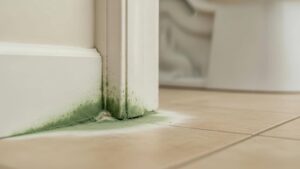
Visible mold growth is a clear indicator that your environment may be compromised and in need of immediate mold inspection services. Various mold types, such as black mold and Aspergillus, can proliferate in damp areas, posing significant health risks to you and your loved ones.
Exposure to these molds can lead to respiratory issues, allergic reactions, and other serious health concerns. If you notice any mold patches on walls, ceilings, or other surfaces, don’t hesitate to act. The sooner you address the issue, the better.
Contact a professional mold inspector who can assess the severity and provide necessary remediation. Taking swift action safeguards your health and ensures a safe living environment for everyone in your home.
Musty Odors Present
Musty odors often signal hidden mold growth within your home, and recognizing this smell is essential for your health. If you detect a persistent, unpleasant scent, it’s vital to act quickly.
Identifying sources of moisture is key, as mold thrives in damp environments. Check areas like basements, bathrooms, or behind appliances where moisture may accumulate undetected.
Engaging professional mold inspection services can help accurately assess the situation and prevent further health risks. Additionally, they can provide effective odor mitigation strategies to help restore your living space.
Don’t ignore musty smells; they’re a clear indication that immediate action may be necessary to protect your home and well-being. Prioritize your health by ensuring your environment remains mold-free.
Water Damage Indications
When you notice signs of water damage in your home, such as stained walls or warped flooring, it’s crucial to act swiftly.
Delaying action can lead to the proliferation of mold spores, posing health risks and causing further damage.
Here are key indicators to watch for:
- Discoloration on walls or ceilings
- Peeling or bubbling paint
- Musty odors, even if subtle
- Visible mold growth in corners or on surfaces
- Excessive humidity or condensation on windows
If you identify any of these signs, you need immediate mold inspection services.
Early detection and remediation can help protect your home and your family’s health, ensuring a safe living environment.
Don’t wait; take action now.
How to Find 24/7 Emergency Mold Inspection Providers
How can you quickly locate 24/7 emergency mold inspection providers when you suspect a mold issue in your home?
Start by utilizing local mold inspection resources, which often list certified professionals ready for emergency response. Online platforms like Google or Yelp can help you find reviews and ratings of nearby providers, ensuring you choose a reliable service.
When searching, include terms like “emergency mold inspection” to narrow down results effectively. Additionally, reach out to your homeowner’s insurance company; they may have preferred vendors for mold inspection services.
Social media groups or community forums can also be valuable, as members often share personal experiences and recommendations.
Finally, don’t hesitate to make calls to potential providers; ask about their availability, response times, and protocols for emergency situations. This proactive approach will help you connect with the right professionals swiftly.
What to Expect During an Emergency Mold Inspection
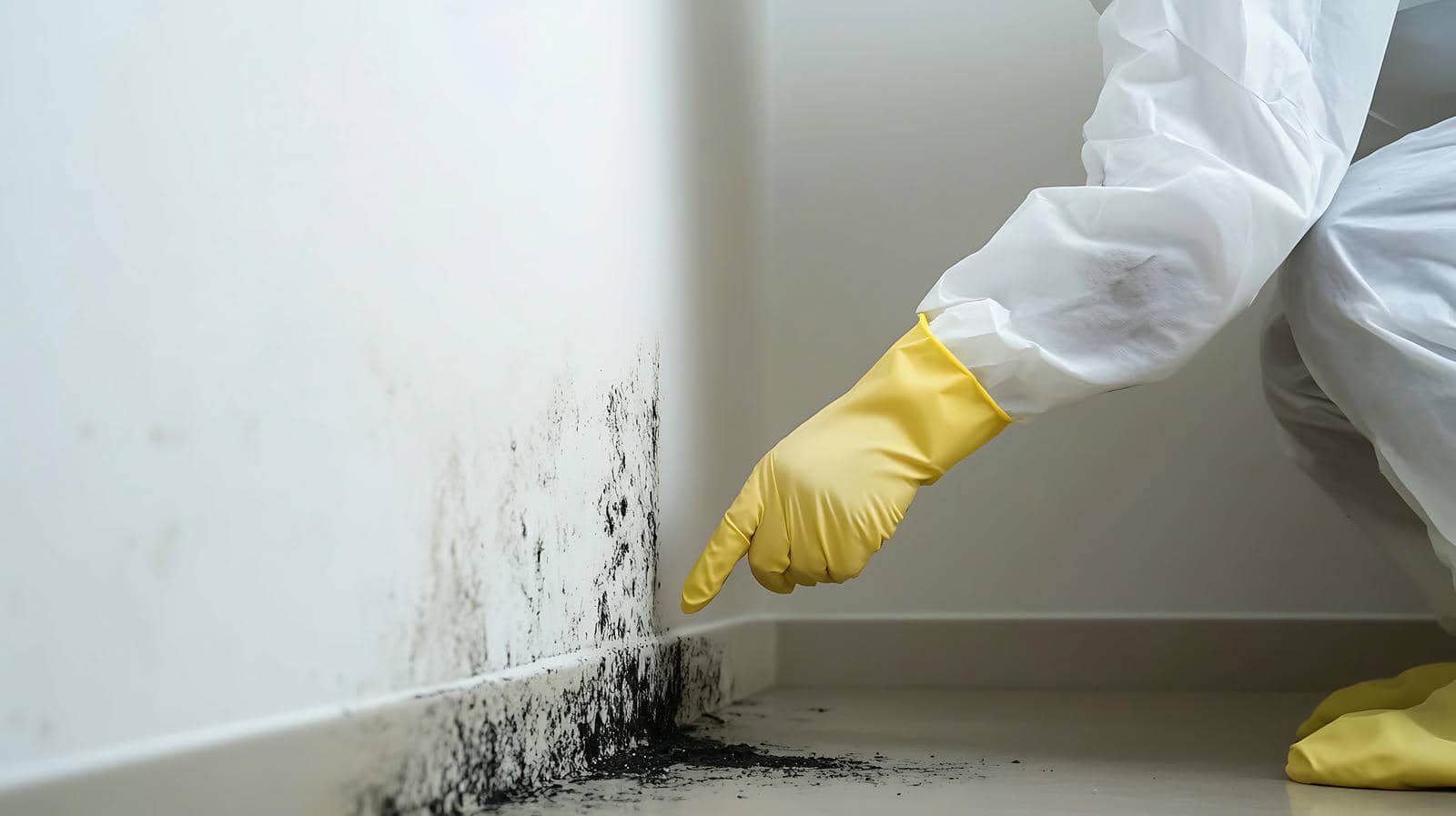
During an emergency mold inspection, expect a thorough initial assessment of your property to identify visible mold and moisture sources.
Professionals will utilize various testing and sampling methods to determine the extent of the mold problem and its potential health impacts.
Following the evaluation, they’ll provide remediation recommendations tailored to effectively address the identified issues.
Initial Assessment Process
As you prepare for an emergency mold inspection, expect a thorough evaluation that begins with a visual assessment of your property.
The inspector will conduct an initial assessment to identify potential mold sources and assess moisture levels. Here’s what to anticipate during this essential step:
- Inspection of areas prone to moisture, like basements and bathrooms
- Examination of walls, ceilings, and floors for visible mold growth
- Assessment of ventilation systems for mold accumulation
- Checking for water damage or leaks that could cause mold
- Documentation of findings for mold identification and remediation planning
This initial assessment is significant in understanding the extent of the mold issue and helps lay the groundwork for effective solutions.
Testing and Sampling Methods
Following the initial assessment, the next phase involves testing and sampling methods to accurately determine the presence and type of mold in your environment.
During this stage, professionals use various sampling techniques, such as air sampling and surface sampling, to gather data. Air samples help identify airborne mold spores, while surface sampling reveals mold presence on specific materials.
You’ll see specialized testing equipment, such as mold spore traps and bulk sampling tools, utilized to ensure precise results.
These methods confirm mold presence and help identify the mold species, which is vital for effective management.
Remediation Recommendations Offered
An emergency mold inspection will typically result in several remediation recommendations tailored to your specific situation.
These recommendations focus on effective mold removal techniques and address potential health impacts. Here’s what you can expect:
Identification of contaminated areas for targeted remediation
Recommendations for proper ventilation to reduce moisture
Suggestions for safe mold removal products and methods
Guidelines for repairing water damage to prevent future growth
Advice on monitoring indoor air quality post-remediation
The Role of Technology in Mold Inspection
While mold inspection has traditionally relied on visual assessments and basic tools, advancements in technology have revolutionized the process, making it more efficient and accurate.
You can now utilize digital tools that streamline data collection, allowing for more thorough analysis. These tools can detect moisture levels, which is essential in identifying mold-prone areas.
Additionally, the use of inspection drones has transformed how you inspect hard-to-reach spaces. Drones equipped with high-resolution cameras can quickly survey roofs and attics, capturing images that reveal hidden mold growth or water damage.
This not only saves time but also enhances safety, as you won’t need to navigate potentially hazardous environments.
Cost Factors for Emergency Mold Inspection Services
When you need emergency mold inspection services, understanding the cost factors involved can help you make informed decisions.
Emergency pricing can vary widely based on several elements, so it’s crucial to know what influences these costs:
Service availability: Inspections outside regular hours may incur higher fees.
Location: Travel distance affects the overall cost, especially in remote areas.
Severity of the mold issue: More extensive infestations require more thorough inspections.
Equipment used: Advanced technology may lead to higher service charges.
Expertise of the inspector: Specialists often command premium rates due to their experience.
Steps to Take After an Inspection for Mold Remediation
After your mold inspection, it’s essential to take immediate, informed steps toward remediation to ensure a safe environment.
Begin by reviewing the inspector’s findings and understanding the severity of the mold issue. Follow the post-inspection guidelines they provide, which may include isolating affected areas to prevent further spread.
Next, consider using effective mold removal techniques. Depending on the scale of the infestation, this might involve DIY methods for minor issues or hiring professionals for larger problems.
Always prioritize safety by wearing protective gear during cleanup.
Additionally, maintain proper ventilation and reduce humidity levels in your home to prevent future mold growth.
Document all steps taken for your records and consult with your inspector if you have any questions.
Frequently Asked Questions
Can I Conduct a Mold Inspection Myself?
You can conduct a DIY mold inspection using mold detection tools, but it’s essential to understand the limitations. Proper training helps identify hidden mold effectively, ensuring you protect your home and maintain a healthy environment.
How Long Does an Emergency Mold Inspection Take?
An emergency mold inspection usually takes one to three hours, depending on the area affected and the severity of the mold. Quick emergency service response ensures you receive timely results and effective solutions to your concerns.
Are Emergency Mold Inspections Covered by Insurance?
Emergency mold inspections may be covered by your insurance policies, but it depends on your specific coverage limits. Check with your provider to understand what’s included, as exclusions can vary considerably between different plans.
What Qualifications Should I Look for in Inspectors?
When choosing an inspector, think of a seasoned sailor steering through stormy seas. Look for mold inspection certifications and significant experience. Their expertise will guide you safely through the complexities of mold assessment and remediation.
Is Mold Removal Necessary After Inspection?
Yes, mold removal is necessary after inspection. It helps mitigate mold health effects, ensuring a safe environment. Understanding inspection benefits can guide your decision, protecting your health and fostering a sense of community wellness.
Review
Accessing 24/7 emergency mold inspection services is essential for protecting your home and health. By recognizing mold signs and acting quickly, you can mitigate potential damage. With various resources at your disposal, finding a reliable provider is easier than ever. So, why wait until mold becomes a bigger problem? Taking proactive steps now can save you time, money, and stress in the long run. Don’t hesitate—your home deserves immediate attention.