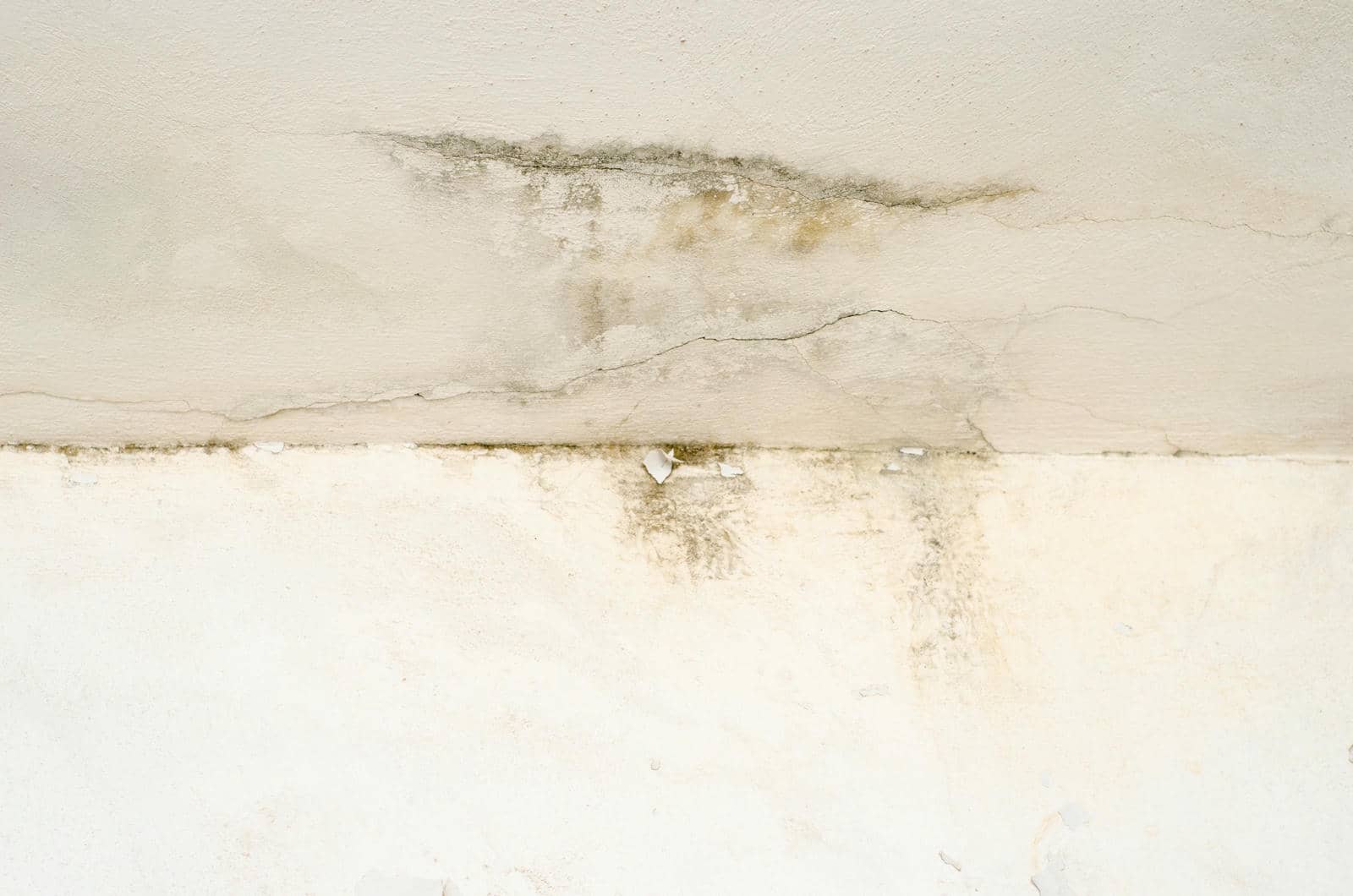
When dealing with mold cleanup and water damage repair, understanding the risks associated with mold growth is vital. You need to identify the signs of water damage early on to prevent further complications. Evaluating the situation requires careful attention to detail and proper safety measures. As you navigate through the cleanup process, knowing effective mold removal techniques is essential. What steps will you take to ensure a mold-free environment moving forward?
Key Takeaways
- Identify and address moisture sources promptly to prevent mold growth and further water damage.
- Wear protective gear and ensure proper ventilation during mold cleanup to minimize health risks.
- Use effective moisture removal methods like vacuum extraction and heat drying to eliminate excess moisture.
- Maintain humidity levels below 60% and ensure proper ventilation to discourage future mold development.
- Document damage thoroughly for insurance claims and consult your policy for coverage on mold and water damage.
Understanding Mold Growth and Its Risks
When you encounter water damage in your home, understanding mold growth and its associated risks becomes vital. Mold thrives in damp environments, and even small leaks can create conditions ripe for its development.
The health implications of mold exposure are significant; it can trigger allergies, respiratory issues, and other health problems. Knowing how to identify and prevent mold is essential for maintaining a safe living space.
Mold prevention starts with addressing moisture sources promptly. Ensure your home has proper ventilation, repair leaks promptly, and use dehumidifiers in high-humidity areas.
Regularly inspect hidden spaces like behind walls and under sinks, as mold can grow unnoticed. By being proactive about mold health, you protect your family and safeguard your home’s integrity.
Understanding these risks empowers you to act decisively, fostering a sense of belonging in a safe and healthy environment.
Identifying Signs of Water Damage
To effectively identify signs of water damage, you should look for visible water stains on walls and ceilings, which indicate moisture intrusion.
Additionally, if you notice a musty odor in your space, that could signal hidden water issues or mold growth.
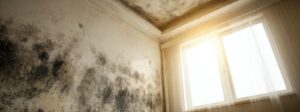
Recognizing mold’s appearance, such as discoloration or fuzzy textures, is essential for addressing potential damage promptly.
Visible Water Stains
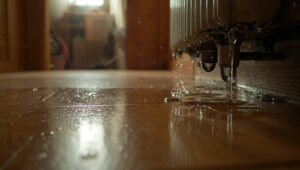
Visible water stains are often the first indicators of underlying water damage in your home. These stains typically appear as discolored patches on walls, ceilings, or floors, signaling potential leaks or moisture issues.
Identifying these stains early can greatly aid in your damage assessment. You’ll want to examine the area closely, noting the size, shape, and color of the stains. Darker stains might indicate prolonged moisture exposure, while lighter ones could suggest recent leaks.
Ignoring these signs can lead to more extensive damage, including mold growth. By addressing visible water stains promptly, you protect your home and create a safer, healthier environment for you and your family.
Stay vigilant and take action when you spot these essential indicators.
Musty Odor Detection
How can you tell if your home is harboring hidden water damage? One of the most telling signs is a persistent musty smell. This odor often indicates moisture trapped in areas like basements or behind walls.
Identifying musty smell sources can lead you to the problem—check for leaks, damp materials, or poorly ventilated spaces. It’s essential to act quickly; the longer you wait, the more extensive the damage can become.
To combat these odors, employ effective odor removal techniques such as using air purifiers, baking soda, or professional cleaning services. By addressing the musty smell early, you improve your home’s air quality and foster a healthier living environment for you and your loved ones.
Mold Growth Appearance
Mold growth can reveal hidden water damage in your home, often taking on various appearances depending on the stage of development.
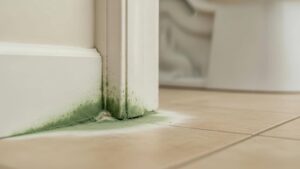
Initially, you might notice small, dark spots that can escalate to larger patches. Mold color variations—ranging from green and black to white and orange—play an important role in identifying the type of mold and its potential hazards.
Pay attention to mold growth patterns, as these can indicate moisture sources; for instance, circular patches often develop from water leaks.
If you observe these signs, it’s essential to act quickly. Understanding these visual cues helps you protect your home and maintain a healthy living environment for you and your loved ones.
Initial Steps for Water Damage Assessment
When you discover water damage in your home, taking immediate action for assessment is essential to prevent further issues.
Start by identifying the source of the water. This could be from a burst pipe, roof leak, or flooding. Once you pinpoint the cause, use various assessment methods to evaluate the extent of the damage.
Check for visible signs, such as discoloration on walls and ceilings, or warped flooring.
Next, use a moisture meter to measure humidity levels in affected areas. This tool will help determine how far the water has penetrated.
Don’t forget to inspect hidden spaces like behind appliances or under carpets, as damage can often go unnoticed.
Document your findings with photos and notes, as this information is crucial for insurance claims.
Safety Precautions During Cleanup
As you prepare to tackle mold cleanup and water damage repair, prioritizing safety precautions is essential to ensure your well-being.
Start by wearing appropriate personal protective equipment (PPE) such as gloves, goggles, and a mask to shield yourself from harmful spores and chemicals. This gear protects you and fosters a sense of community responsibility, ensuring you’re safeguarding your space and health.
Next, establish a well-ventilated area to minimize exposure to airborne contaminants.
Before beginning the cleanup, gather all necessary supplies and create a plan to avoid unnecessary risks.
Remember to practice safe disposal methods for any contaminated materials; double-bagging them and labeling clearly can help prevent cross-contamination.
Effective Mold Removal Techniques
To effectively tackle mold issues, you first need to identify the sources of moisture that contribute to its growth.
Once you’ve pinpointed these areas, you can implement safe removal practices to eliminate the mold without risking your health or safety.
Understanding these techniques is essential for ensuring a thorough cleanup and preventing future infestations.
Identify Mold Sources
Identifying mold sources is essential for effective removal, especially since unseen moisture can lead to extensive damage.
Start by inspecting areas prone to humidity, like bathrooms, kitchens, and basements. Look for common moisture sources such as leaks, condensation, or poor ventilation.
Different mold types thrive in specific conditions, so understanding their preferences can guide your search. For instance, black mold often appears in damp corners, while mildew may flourish on wet surfaces.
Don’t overlook hidden spots like behind walls and under carpets, where moisture can accumulate unnoticed.
Safe Removal Practices
Once you’ve identified the sources of mold, effective removal techniques become essential to restoring your space.
For safe mold removal, follow these practices to ensure you protect yourself and your environment:
Wear Protective Gear: Always use gloves, masks, and goggles to shield yourself from spores.
Ventilate the Area: Open windows and doors to allow fresh air in, reducing the concentration of airborne spores.
Use Appropriate Cleaning Supplies: Opt for EPA-approved mold removers or a mixture of water and detergent to clean affected areas.
Dispose of Contaminated Materials: Seal moldy items in plastic bags before discarding, preventing further contamination.
Implementing these strategies will help you effectively tackle mold removal while maintaining a safe environment for everyone.
Drying and Dehumidifying the Affected Area
As moisture lingers in the air and materials after water damage, effective drying and dehumidifying become essential to prevent mold growth and structural deterioration. You need to choose the right drying techniques and select the appropriate dehumidifier to ensure a thorough cleanup. Consider the following table to help visualize the equipment and methods:
| Drying Techniques | Equipment Needed | Time Required |
|---|---|---|
| Air Circulation | Fans | 24-48 hours |
| Dehumidifying | Dehumidifier | 48-72 hours |
| Heat Drying | Space Heaters | 24-48 hours |
| Absorption | Towels | 1-2 hours |
| Vacuum Extraction | Wet/Dry Vacuum | 1-8 hours |
Utilizing these methods effectively will help you eliminate excess moisture, creating an environment that discourages mold development while ensuring your space remains safe and welcoming.
Preventing Future Mold Growth
To prevent future mold growth, it is essential to control humidity levels and ensure proper ventilation in your space.
Keeping humidity below 60% can greatly reduce mold spores’ ability to thrive.
Additionally, regular airflow helps to dissipate moisture and maintain a healthier environment.
Control Humidity Levels
Maintaining ideal humidity levels in your home is essential for preventing future mold growth, and ideally, you should aim for a relative humidity of 30 to 60 percent.
Effective humidity control and moisture management can greatly reduce the risk of mold. Here are some practical steps you can take:
- Use dehumidifiers in damp areas, like basements.
- Seal cracks and openings in walls or foundations to prevent moisture ingress.
- Regularly check and repair plumbing leaks to eliminate hidden water sources.
- Monitor indoor plants, as they can add excess moisture to the air.
Ensure Proper Ventilation
Proper ventilation plays an essential role in preventing mold growth by allowing fresh air to circulate and reducing moisture buildup in your home.
Without adequate ventilation systems, areas like bathrooms and kitchens can trap humidity, creating an ideal environment for mold spores to thrive. To combat this, make certain that your home has functioning exhaust fans and open windows whenever possible, promoting air circulation.
Additionally, consider using dehumidifiers in damp areas to further decrease moisture levels. Regularly check your vents and ducts for obstructions, as blocked pathways can hinder air movement.
Professional Mold Remediation Services
When it comes to tackling mold issues effectively, professional mold remediation services are essential for ensuring your home remains safe and healthy.
These services help eliminate existing mold and prevent future outbreaks. Here’s why you should consider them:
Thorough Mold Inspection Services: Professionals conduct detailed assessments to identify hidden mold sources.
Advanced Remediation Techniques: They employ proven methods, such as HEPA filtration and chemical treatments, ensuring complete removal.
Safety Protocols: Experts follow strict safety protocols to protect your family and property during the cleanup process.
Long-term Solutions: Professionals provide guidance on moisture control and prevention strategies to mitigate future risks.
Insurance and Financial Considerations
Understanding insurance and financial considerations related to mold cleanup and water damage repair is essential, especially since these incidents can be costly and complex.
First, review your insurance policy to determine your coverage for mold and water damage. Many policies include specific clauses; knowing whether you’re covered can save you significant expenses.
If you find that your insurance coverage is inadequate, don’t hesitate to seek out financial assistance programs. Various local and federal resources can help you manage the costs associated with cleanup and repairs.
Document all damage thoroughly, as this will support your claims and help you access any available financial aid.
Communicate with your insurer to understand the claims process and provide all necessary documentation promptly.
Maintaining a Mold-Free Environment
To maintain a mold-free environment, it’s important to control moisture levels in your home. Mold thrives in damp conditions, so keeping your space dry is vital.
Here are four key steps you can take:
Use mold-resistant materials: When renovating or building, opt for paint and drywall that resist mold growth.
Conduct regular inspections: Check areas prone to moisture, such as bathrooms and basements, for any signs of mold or water damage.
Ventilate properly: Make sure your home is well-ventilated, especially in high-humidity areas. Use exhaust fans and open windows when possible.
Fix leaks promptly: Address any plumbing or roof leaks immediately to prevent moisture accumulation.
Wrap-Up
By taking decisive action against mold and water damage, you’re not just repairing your space; you’re reclaiming your home from the clutches of decay. Remember, vigilance is key—monitor for leaks and maintain proper ventilation to keep mold at bay. If the problem persists, don’t hesitate to call in professionals. With the right approach, you can ensure your living environment remains a safe and healthy haven, free from the shadows of mold that threaten to undermine your peace.