
Imagine a homeowner returning to a flooded basement after a storm, only to discover dark spots creeping along the walls. This scenario highlights the urgent need for effective mold cleanup. To tackle mold growth efficiently and safely, it’s essential to understand the signs and take necessary precautions. But what steps should you prioritize to ensure a thorough and safe cleanup process?
Key Takeaways
- Inspect areas prone to moisture, like basements and under sinks, for visible mold signs such as dark spots or musty odors.
- Prioritize safety by wearing PPE, ensuring ventilation, and using exhaust fans to minimize mold spore inhalation during cleanup.
- Implement effective mold removal techniques by using specialized cleaning solutions and drying surfaces thoroughly to prevent recurrence.
- Consider hiring professional mold remediation services for thorough assessments and specialized techniques to ensure complete mold removal.
- Use mold-resistant materials during repairs and maintain good ventilation to prevent future mold growth in affected areas.
Understanding Storm Damage and Mold Growth
When storms strike, they often leave behind physical destruction and the perfect conditions for mold growth. The storm aftermath creates an environment rich in moisture, warmth, and organic materials, all vital for mold to thrive.
Mold spores, which are ubiquitous in nature, can quickly settle on damp surfaces and begin their lifecycle. Within 24 to 48 hours of water exposure, these spores can germinate, leading to rapid colony formation.
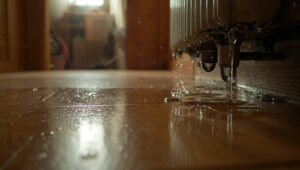
In this vulnerable state, your home can become a breeding ground for various mold species. The dampness from leaks or flooding accelerates this process, making it essential to address water damage promptly.
Understanding the mold lifecycle helps you recognize that proactive measures, such as drying out affected areas and removing organic debris, are important to prevent an infestation.
Together, taking these steps can safeguard both your home and your well-being in the face of storm-related challenges.
Signs of Mold After a Storm
After a storm, it’s important to be vigilant for signs of mold growth in your home. Mold thrives in damp environments, especially after heavy rainfall or flooding.
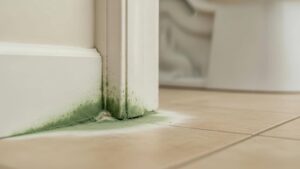
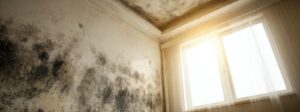
Start with mold detection by inspecting areas with high humidity, such as basements, bathrooms, and under sinks. Look for visible signs like dark spots or fuzzy patches on walls, ceilings, or flooring. Additionally, be aware of musty odors; they often indicate hidden mold colonies.
Check for water stains on walls or ceilings, as these can signal moisture retention conducive to mold growth. Pay attention to any peeling paint or wallpaper, which may suggest prolonged dampness.
In the storm aftermath, remember that prompt action is vital; early mold detection can prevent more extensive damage and health issues. If you notice any of these signs, it’s important to take immediate steps to mitigate the problem and keep your living space safe and healthy.
Safety Precautions Before Cleanup
Before starting mold cleanup, you need to prioritize safety by wearing appropriate personal protective equipment (PPE), such as gloves, masks, and goggles.
Ensuring proper ventilation in the area is essential to minimize inhalation of mold spores and reduce humidity levels.
Personal Protective Equipment
To ensure your safety during mold cleanup after storm damage, it’s crucial to wear appropriate personal protective equipment (PPE).
Using the right safety gear protects you from harmful mold spores and contaminants. Here are the essential PPE types you should consider:
- N95 respirator: Filters out 95% of airborne particles.
- Safety goggles: Protect your eyes from mold exposure.
- Heavy-duty gloves: Shield your hands from irritants.
- Long-sleeved clothing: Covers your skin to prevent contact.
- Boots with waterproof soles: Keep your feet dry and contamination-free.
Proper Ventilation Techniques
Wearing appropriate personal protective equipment (PPE) is only the first step in ensuring a safe mold cleanup process.
Next, you must focus on proper ventilation techniques to enhance air circulation. Begin by opening windows and doors to promote fresh airflow, which helps dilute mold spores in the air.
Utilize ventilation systems, such as exhaust fans, to expel contaminated air outdoors. If possible, position fans to create a cross-breeze, facilitating ideal air exchange.
Verify that any HVAC systems are set to “vent” mode to avoid recirculating mold spores. Monitor humidity levels with a hygrometer, aiming for 30-60%.
Effective ventilation protects your health and accelerates the drying process, minimizing long-term damage and the risk of further mold growth.
Initial Assessment of Water Damage
As you begin the initial assessment of water damage, it’s vital to identify the source and extent of the intrusion. Start with a thorough water source identification, as this will guide your cleanup efforts.
Use a damage assessment checklist to ensure no detail is overlooked.
- Inspect walls for discoloration or bubbling.
- Examine the flooring for warping or dampness.
- Check ceilings for stains or sagging.
- Look for mold growth in hidden areas.
- Assess the condition of electrical systems and appliances.
Document your findings meticulously. This information is important for insurance claims and future prevention strategies.
Effective Mold Removal Techniques
Before you tackle mold removal, prioritize your safety by wearing protective gear like gloves and masks.
Use cleaning solutions specifically designed to eliminate mold spores effectively, and follow the manufacturer’s instructions closely.
Finally, implement proper drying and ventilation techniques to prevent future mold growth and maintain a healthy environment.
Safety Precautions First
To effectively tackle mold cleanup after storm damage, prioritizing safety precautions is essential. Start with these key strategies to protect yourself:
Wear protective gear: Use gloves, N95 masks, and goggles to shield against mold spores.
Ensure proper ventilation: Open windows and use fans to circulate air, reducing moisture levels.
Inspect for structural damage: Check walls and ceilings for leaks or weakness before starting cleanup.
Keep electrical systems safe: Turn off electricity in affected areas to prevent hazards.
Follow mold prevention strategies: Regularly inspect your home for dampness and maintain humidity levels.
Proper Cleaning Solutions
When tackling mold removal after storm damage, using the right cleaning solutions is essential for effective eradication.
Begin by selecting appropriate cleaning agents such as hydrogen peroxide or vinegar, both known for their antifungal properties. These eco-friendly solutions are effective and safer for your home environment and family.
For tougher mold infestations, consider using a diluted bleach solution, but make certain you wear protective gear.
Apply your chosen cleaning agent directly to the affected area, allowing it to penetrate for at least 10 minutes before scrubbing. Always rinse the surface thoroughly and dry it completely to prevent future growth.
Drying and Ventilation Techniques
Effective drying and ventilation techniques are essential in preventing mold growth after storm damage.
To ensure ideal conditions for drying, focus on these strategies:
Utilize dehumidifiers to reduce moisture levels in the air.
Open windows to enhance natural airflow and circulation.
Position fans strategically to create consistent airflow across wet surfaces.
Inspect and seal leaks to prevent external moisture intrusion.
Monitor humidity levels regularly, aiming for below 60% to inhibit mold proliferation.
Professional Mold Remediation Services
While attempting to address mold issues after storm damage, relying on professional mold remediation services can greatly enhance the effectiveness of your cleanup efforts.
These experts begin with a thorough mold assessment, identifying affected areas and evaluating the extent of the contamination. This vital step ensures that no hidden mold is overlooked, which could jeopardize your health and property.
Once the assessment is complete, the remediation process begins. Professionals use industry-standard techniques and equipment to remove mold safely and efficiently.
They employ containment strategies to prevent spore spread and utilize specialized cleaning agents that target mold at its source. Additionally, their expertise allows them to recommend necessary repairs to prevent recurrence.
Preventing Future Mold Growth
To prevent future mold growth after storm damage, it’s essential to control moisture levels in your home.
Maintaining ideal humidity and ensuring proper air circulation can considerably reduce the risk of mold re-establishing itself.
Here are some effective strategies:
Install dehumidifiers in damp areas, such as basements.
Ensure good ventilation in bathrooms and kitchens to promote air circulation.
Fix leaks promptly to prevent water accumulation.
Use mold-resistant materials when repairing or renovating affected areas.
Conduct regular inspections to identify and address potential moisture issues early.
Insurance Considerations for Mold Damage
Understanding the nuances of your insurance policy is vital when dealing with mold damage after a storm, as coverage can vary greatly between providers. Many homeowners assume that mold damage is automatically included in their mold insurance, but this isn’t always the case.
Check your policy for specific clauses related to mold and water damage, as some may impose strict coverage limits. You might find that mold remediation costs are only partially covered or subject to a deductible.
It’s also important to understand any time limitations for filing claims, as delays can jeopardize your coverage. If your policy has exclusions, consider discussing additional riders that could enhance your protection against mold damage.
Reach out to your insurance agent to clarify these points and make sure you’re adequately covered. Being well-informed will empower you to navigate the claims process effectively, fostering a sense of security in your home.
Summary
In the aftermath of a storm, addressing mold swiftly is essential to safeguarding your health and home. By taking prompt action and following safety guidelines, you can effectively tackle any mold issues that arise. Remember, a stitch in time saves nine; early intervention can prevent more extensive damage and costly repairs. Whether you choose to handle the cleanup yourself or enlist professional help, staying vigilant and proactive will help keep mold at bay in the future.