After a pipe flooding incident, mold can pose serious health risks if not treated promptly and effectively. You need to act quickly to remove standing water and enhance ventilation, as mold can start growing within 24 to 48 hours. Understanding the necessary steps and equipment required for thorough mold treatment is essential. Let’s explore how to assess the damage and implement effective strategies for mold removal and prevention.
Key Takeaways
- Ensure safety by wearing protective gear and turning off electricity before starting mold treatment after pipe flooding.
- Quickly remove standing water using pumps or wet vacuums to reduce moisture levels and prevent mold growth.
- Conduct a thorough inspection for mold signs, using tools like hygrometers and thermal imaging cameras to identify hidden moisture.
- Use HEPA vacuums and EPA-approved mold removers to clean affected surfaces, ensuring proper ventilation during the process.
- Apply mold-resistant products, such as drywall and paints, after treatment to prevent future mold infestations.
Understanding the Impact of Pipe Flooding on Mold Growth
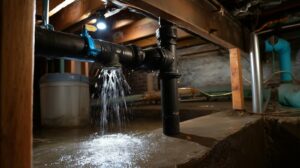
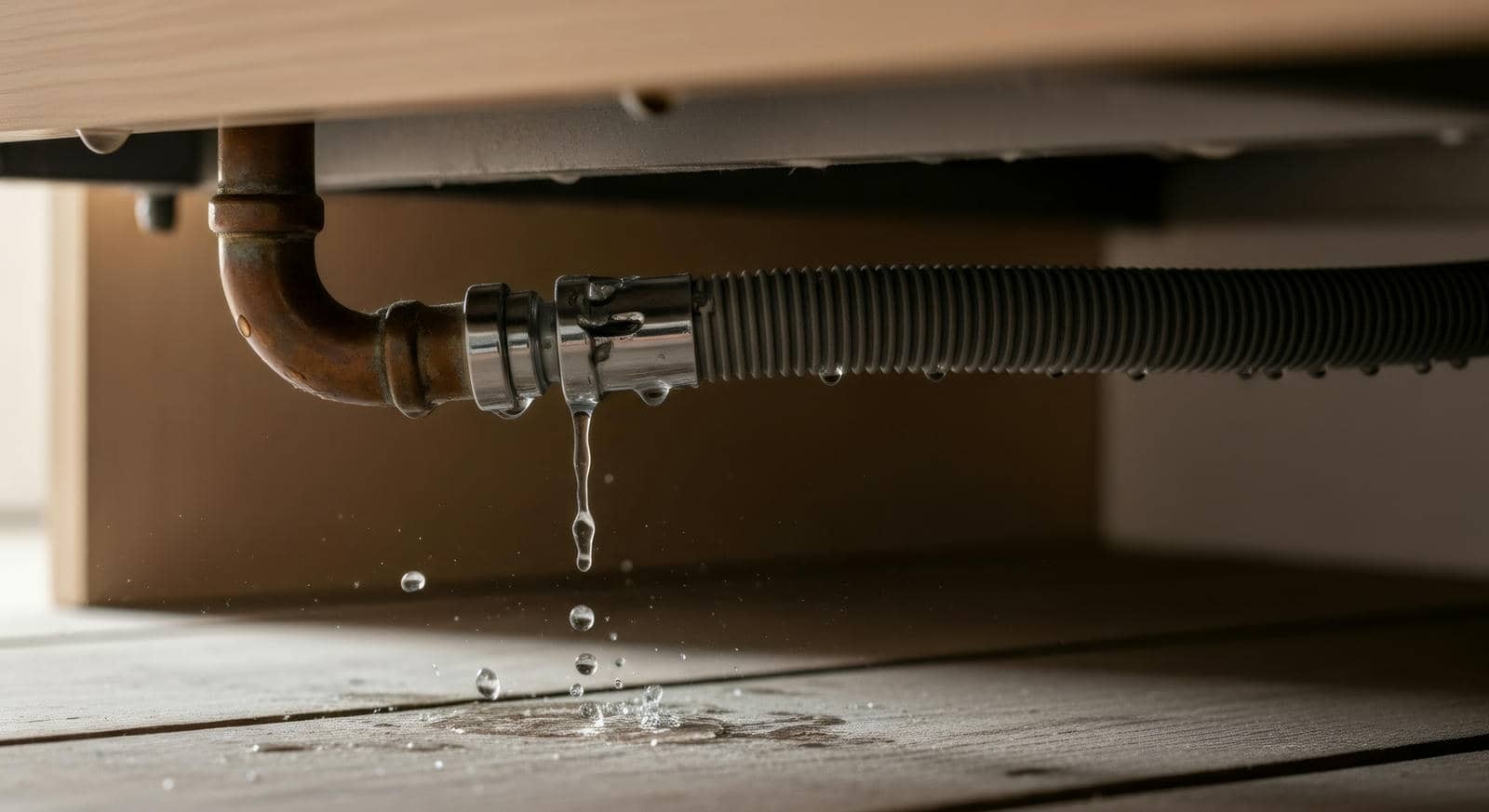
When a pipe floods your space, the resulting moisture creates an ideal environment for mold growth. In the flood aftermath, mold spores, which are omnipresent in the air, find the perfect conditions to thrive.
With the increased humidity, these spores can germinate within 24 to 48 hours, initiating the mold lifecycle.
As you assess the damage, it’s essential to understand that mold doesn’t just appear; it develops in stages. First, it germinates, then it grows into visible colonies, and finally, it releases more spores into the air.
This rapid progression can lead to health issues and structural damage if not addressed promptly.
Recognizing these stages can help you act decisively. Understanding the mold lifecycle empowers you to take appropriate measures, ensuring your space remains safe and healthy.
Initial Steps to Take Immediately After a Flood
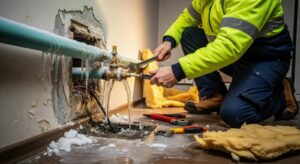
As soon as the floodwaters recede, you need to act swiftly to mitigate mold growth and protect your space. Start your immediate response by ensuring flood safety; wear protective gear such as gloves, masks, and waterproof boots to shield yourself from contaminants.
Next, begin removing standing water using pumps or wet vacuums, as stagnant water fosters mold development. Open windows and doors to enhance ventilation and help dry out the area.
If possible, turn off electricity in affected zones to avoid hazards. Remove soaked materials like carpets, drywall, and furniture, as these can harbor mold spores.
Document damage for insurance purposes, taking photos and notes. Finally, aim to reduce humidity levels by using dehumidifiers, which will further discourage mold growth.
Taking these initial steps helps you reclaim your environment and contributes to a sense of safety and belonging in your space.
Assessing the Extent of Water Damage
To accurately assess the extent of water damage, you’ll need to conduct a thorough visual inspection of the affected areas.
Look for signs of saturation, discoloration, and any warping in materials.
Using moisture detection tools like hygrometers or thermal imaging cameras can help pinpoint hidden dampness that isn’t immediately visible.
Visual Inspection Techniques
While you may feel overwhelmed after a pipe flood, conducting a thorough visual inspection is crucial for evaluating the extent of water damage.
Start by creating an inspection checklist to guide you through the process. Look for visual cues like discoloration on walls, warped flooring, or peeling paint, which indicate moisture presence.
Check for signs of mold growth, especially in hidden areas like behind cabinets or under sinks. Pay close attention to baseboards and corners, as these often trap water.
Don’t forget to inspect ceilings for stains, which can signify leaks from above. Document your findings meticulously, as this will help inform your next steps in mold treatment and restoration.
A methodical approach ensures nothing is overlooked.
Moisture Detection Tools
Utilizing moisture detection tools is essential for accurately evaluating the extent of water damage after a pipe flood.
Start with moisture meters, which measure the moisture content in various materials. By probing walls, flooring, and furniture, you’ll pinpoint hidden pockets of water that may not be visible.
Next, humidity sensors can help you assess the overall moisture level in the air. High humidity indicates ongoing issues that could foster mold growth.
Combining these tools, you can effectively map out affected areas, prioritize remediation efforts, and ensure thorough drying.
This systematic approach helps in mitigating mold risks and fosters a sense of community responsibility in maintaining healthy living environments for everyone.
Essential Equipment for Mold Treatment
When tackling mold treatment after a pipe flood, having the right equipment is important for effective remediation. Start with personal protective equipment (PPE), such as gloves, masks, and goggles, to ensure your safety.
Next, invest in a high-efficiency particulate air (HEPA) vacuum, which is critical for mold removal and captures spores effectively. For surface cleaning, consider using mold-resistant detergents and specialized brushes.
You’ll also need moisture meters to monitor humidity levels and confirm that the area is dry. Dehumidifiers play an essential role in reducing excess moisture, which is key to preventing mold regrowth.
Additionally, air scrubbers with HEPA filters help purify the air, removing airborne spores during the treatment process.
Finally, make sure you have containment equipment, such as plastic sheeting and tape, to isolate the affected area, preventing cross-contamination.
With these important equipment types, you’ll be better equipped to tackle mold effectively and confidently.
Safe and Effective Mold Removal Techniques
When tackling mold removal, you’ll need to employ specific methods that effectively eliminate spores and prevent regrowth.
It’s essential to implement safety precautions, such as wearing protective gear and ensuring proper ventilation, to minimize health risks during the process.
Understanding these techniques will help you achieve a thorough and safe mold remediation.
Mold Removal Methods
Although mold can quickly spread after a pipe flooding incident, employing effective removal methods can greatly mitigate health risks and property damage.
Start by identifying mold using reliable mold identification techniques. Assess the mold growth conditions, ensuring the affected area is properly dried and ventilated.
Here are three effective removal methods:
- Mechanical Removal: Scrub surfaces with a brush or vacuum equipped with a HEPA filter to eliminate mold spores.
- Chemical Solutions: Use EPA-approved mold removers or a mixture of water and vinegar to disinfect affected areas.
- Encapsulation: After mold removal, apply a sealant to prevent future growth, especially in porous materials.
Safety Precautions Needed
Effective mold removal methods must always be accompanied by safety precautions to protect yourself and others during the process.
Start by donning appropriate personal protective equipment (PPE), including gloves, goggles, and a respirator, to shield against mold spores. Verify your workspace is well-ventilated; this minimizes inhalation risks.
Before beginning, develop an emergency response plan, detailing evacuation routes and first-aid procedures in case of exposure. Keep a first-aid kit on hand and familiarize yourself with its contents.
Regularly check your PPE for wear and replace it as necessary. If the mold problem is extensive, consider enlisting professional help, verifying that they also follow stringent safety guidelines.
Prioritize safety to create a healthy environment for everyone involved.
Importance of Proper Drying and Ventilation
Proper drying and ventilation are essential in preventing mold growth after pipe flooding, as stagnant moisture creates an ideal environment for spores to thrive.
To effectively combat this risk, you’ll need to employ specific drying techniques and ventilation strategies that ensure your space returns to a safe condition.
- Use dehumidifiers to reduce ambient humidity and accelerate the drying process.
- Open windows and doors to enhance airflow, helping moisture escape and fresh air circulate.
- Utilize fans to promote air movement and target damp areas directly.
Implementing these methods minimizes the chances of mold developing and fosters a healthier living environment.
Remember, each day that moisture lingers increases the likelihood of mold growth, so act quickly and methodically.
Disinfecting Affected Areas to Prevent Recurrence
After drying and ventilating the affected areas, it’s vital to disinfect them to eliminate any remaining mold spores and prevent future growth.
You should use effective disinfecting agents, such as hydrogen peroxide or a bleach solution, ensuring you follow the manufacturer’s instructions for proper dilution and application.
This step is essential for maintaining a mold-free environment and safeguarding your home against recurrence.
Importance of Disinfection
While addressing the aftermath of pipe flooding, disinfecting the affected areas is essential to prevent mold recurrence.
Implementing effective disinfection techniques can markedly enhance your environment’s safety. Here are some key disinfection benefits:
Prevents Mold Growth: Thorough disinfection eliminates residual moisture and mold spores, reducing the likelihood of re-infestation.
Improves Air Quality: Disinfecting spaces contributes to healthier indoor air, minimizing respiratory issues related to mold exposure.
Enhances Property Value: Maintaining a mold-free environment preserves your property’s integrity and marketability.
Recommended Disinfecting Agents
Effective disinfection relies on selecting the right agents to combat mold and prevent its return. You should consider various disinfectant types, such as bleach, hydrogen peroxide, and quaternary ammonium compounds. Each has unique properties that can effectively eliminate mold spores.
For instance, bleach is powerful but may damage some surfaces, while hydrogen peroxide is less harsh yet effective against a wide range of pathogens.
When applying these agents, use methods such as spraying for even coverage or soaking porous materials to ensure deep penetration. Always follow the manufacturer’s instructions regarding dilution ratios and contact times.
Using Mold-Resistant Products for Repair
When dealing with mold after pipe flooding, selecting mold-resistant products for repair is essential to prevent future infestations.
Using mold-resistant materials ensures a healthier environment and aligns with best repair guidelines.
Consider the following options for your repairs:
Mold-resistant drywall: This type of drywall is treated to resist moisture and mold growth, making it ideal for areas prone to humidity.
Mold-resistant paints: Applying these paints creates a protective barrier on walls, reducing the likelihood of mold development.
Mold-resistant insulation: This insulation type is designed to withstand moisture, providing energy efficiency while mitigating mold risks.
Professional Mold Remediation Services: When to Call
Mold can pose serious health risks and structural damage to your home, so knowing when to call professional mold remediation services is essential. If you notice visible mold growth or experience persistent musty odors, it’s time to seek help.
A thorough mold inspection by experts can identify the source and extent of the problem, ensuring you don’t overlook hidden colonies. Additionally, if you find yourself overwhelmed by the situation or if the mold covers a significant area (more than 10 square feet), professional assistance is critical.
They can develop a remediation timeline to address the issue efficiently, preventing further damage and health risks. Don’t hesitate to call specialists if you have health concerns, such as respiratory issues or allergies exacerbated by mold exposure.
Taking prompt action protects your home and fosters a safer living environment for you and your loved ones.
Preventative Measures to Avoid Future Flooding and Mold Issues
To prevent future flooding and mold issues, it’s crucial to assess and address potential vulnerabilities in your home’s plumbing and drainage systems.
Start by conducting a thorough inspection to identify problem areas. Implement the following preventative measures:
Waterproof sealing: Apply waterproof sealants to areas prone to leaks, such as around windows, doors, and basement walls. This helps create a barrier against moisture intrusion.
Drainage improvement: Verify gutters and downspouts are clear and direct water away from your foundation. Consider installing a French drain if water accumulation is a recurring issue.
Regular maintenance: Schedule periodic plumbing checks to catch leaks early and maintain appliances like washing machines and water heaters.
Frequently Asked Questions
How Long Does It Take for Mold to Develop After Flooding?
Mold can start developing within 24 to 48 hours after flooding. To prevent mold growth, ensure proper drying and ventilation. Regularly check for leaks and moisture to maintain a healthy environment in your space.
Can I Treat Mold on My Own, or Should I Hire a Professional?
Why wrestle with mold alone? You can tackle it using DIY mold kits and mold removal techniques, but hiring a professional often ensures thoroughness, safety, and peace of mind. Your health deserves the best.
What Types of Mold Are Most Commonly Found After Flooding?
You’ll often find black mold and toxic mold after flooding. These molds thrive in damp environments, posing health risks. Identifying them quickly is essential for effective remediation and ensuring your space remains safe for everyone.
Is It Safe to Stay in My Home During Mold Treatment?
Staying in your home during mold treatment isn’t safe. Imagine breathing in spores while the air feels heavy. Prioritize your health; ensure proper ventilation and mold safety measures are in place for a secure home environment.
Will Insurance Cover Mold Damage From Pipe Flooding?
Yes, your insurance might cover mold damage from pipe flooding, but check your policy for specific mold insurance details and coverage limits. Understanding your coverage prepares you for potential restoration costs and claims processes.
Conclusion
In the battle against mold after pipe flooding, swift action is your best ally. By following essential steps, utilizing the right equipment, and employing effective techniques, you can reclaim your space from hidden threats. Remember, mold is like a silent intruder; if you don’t address it promptly, it’ll settle in for the long haul. Stay vigilant with preventative measures to safeguard your home and ensure a healthier environment for you and your loved ones.