
After flooding, effective mold remediation is essential to protect your health and property. You’ll need to assess the extent of mold growth, using moisture detection tools to uncover hidden areas. Safety precautions must be your priority, ensuring proper gear is worn and the area is well-ventilated. The next steps involve containment strategies to prevent further spread. Understanding these techniques sets the foundation for successful remediation—let’s explore the best practices you can implement.
Key Takeaways
- Conduct a thorough assessment for visible and hidden mold using detection tools and sensory checks for discoloration and musty odors.
- Equip yourself with appropriate PPE, including gloves and N95 respirators, and ensure adequate ventilation in the affected area.
- Isolate the contaminated space with physical barriers and create airlock entry points to prevent the spread of mold spores.
- Use natural cleaners for mild cases or chemical solutions for severe infestations, following safety guidelines and ensuring proper ventilation.
- Implement preventative measures by maintaining low indoor humidity, using mold-resistant materials, and addressing water damage promptly to avoid future issues.
Assessing the Extent of Mold Growth
When you’re dealing with mold after flooding, accurately evaluating the extent of growth is essential.
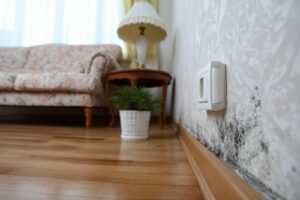
First, employ mold identification techniques to determine visible and hidden mold. Use your senses; look for discoloration, smell musty odors, and examine areas prone to dampness.
Next, integrate moisture detection tools, such as hygrometers and moisture meters, to assess humidity levels and moisture in walls or ceilings. These tools help pinpoint hidden mold risks behind surfaces.
Safety Precautions Before Starting Remediation
Before you begin mold remediation, it’s crucial to implement safety precautions to protect yourself and others in the area. Start with a thorough health risk assessment to identify potential hazards associated with mold exposure. This evaluation helps you understand the severity of the situation and informs your next steps.
Next, equip yourself with appropriate personal protective equipment (PPE). This typically includes gloves, N95 respirators, goggles, and protective clothing to shield you from mold spores and allergens. Make sure your PPE is well-fitted and suitable for the task at hand.
Additionally, ensure adequate ventilation in the work area to minimize airborne spores. If possible, isolate the affected space to prevent cross-contamination.
Taking these steps safeguards your health and fosters a collaborative environment where everyone feels secure. Remember, prioritizing safety sets the foundation for effective mold remediation.
Containment Strategies to Prevent Spread
Implementing effective containment strategies is essential to prevent the spread of mold spores during remediation. By using proper techniques, you can minimize cross-contamination and protect unaffected areas.
Here are key strategies to take into account:
Containment barriers: Set up physical barriers using plastic sheeting to isolate the affected area.
Airlock systems: Create airlock entry points that require passing through two doors, ensuring spores can’t escape.
Negative air pressure: Use air filtration devices to maintain negative pressure, preventing spores from migrating to clean areas.
Seal vents and openings: Close off HVAC systems and any openings to limit airflow between spaces.
Wear protective gear: Equip yourself and your team with masks and suits to avoid inhaling spores during the process.
Effective Cleaning Solutions for Mold Removal
Effective mold removal relies on a variety of cleaning solutions that target the specific types of mold encountered after flooding. You can choose from natural cleaners or chemical solutions, depending on your needs and preferences.
Natural cleaners, like vinegar, baking soda, and hydrogen peroxide, are often effective against many mold types. They’re safe for most surfaces and less harmful to your health and the environment.
On the other hand, chemical solutions, such as bleach or commercial mold removers, can provide a more aggressive approach for severe infestations. However, these come with potential health risks, so it’s vital to follow the manufacturer’s instructions and ensure proper ventilation during use.
In your efforts to combat mold, understanding the strengths and limitations of each cleaning solution will help you make informed decisions, fostering a healthier living space for you and your loved ones.
Drying and Dehumidification Techniques
Effective drying and dehumidification are essential in preventing mold growth after flooding.
You should consider various air circulation methods to enhance evaporation and choose the right dehumidifier to manage humidity levels efficiently.
Air Circulation Methods
After a flood, maintaining proper air circulation is essential for effective mold remediation.
You can optimize airflow and employ various ventilation techniques to accelerate drying. Here are some methods to contemplate:
Open windows and doors to create cross-ventilation.
Use fans strategically to direct airflow throughout the space.
Position dehumidifiers near moisture sources to enhance evaporation.
Utilize exhaust fans in bathrooms and kitchens to remove humid air.
Create a circulation plan by mapping out airflow paths in the affected area.
Dehumidifier Selection Tips
Maintaining airflow is only part of the equation when it comes to mold remediation; selecting the right dehumidifier is equally important for effective drying and moisture control.
Start by identifying the appropriate dehumidifier types based on your space and severity of water damage. For smaller areas, a portable unit might suffice, while larger spaces may require a more robust option.
Consider the dehumidifier capacity, which is measured in pints of moisture removed per day. Choosing a unit with adequate capacity ensures efficient moisture extraction, minimizing the risk of mold growth.
Finally, look for features like built-in hygrometers and continuous drainage options to enhance usability. By carefully selecting a dehumidifier, you’ll create a healthier environment for yourself and your community.
Post-Remediation Inspection and Testing
Once the mold remediation process is complete, conducting a thorough post-remediation inspection and testing is essential to confirm the safety and health of the environment.
This post remediation evaluation helps verify that all mold has been effectively removed and that your space is safe for occupancy.
Here are the key steps to take into account:
Visual Inspection: Check for any visible signs of mold or water damage.
Air Quality Testing: Assess air samples to detect any remaining spores.
Surface Sampling: Test surfaces that may harbor hidden mold.
Humidity Monitoring: Verify humidity levels are within a safe range to prevent future growth.
Documentation: Keep records of findings to track changes over time.
Preventative Measures to Avoid Future Mold Issues
To effectively prevent future mold issues, you should implement a combination of strategies that target moisture control and regular maintenance. Using mold-resistant materials in your home can greatly lower the risk of mold growth. Verify that you’re conducting regular inspections of areas prone to dampness, such as basements, bathrooms, and kitchens.
Here’s a quick reference table to help guide your preventative measures:
| Strategy | Description |
|---|---|
| Use Mold Resistant Materials | Opt for paints and building materials that resist mold growth. |
| Control Humidity | Maintain indoor humidity below 60% using dehumidifiers. |
| Regular Inspections | Check for leaks and signs of dampness at least quarterly. |
| Prompt Repairs | Address water damage immediately to prevent mold establishment. |
Recap
In the battle against mold after flooding, your proactive measures are your shield and sword. By evaluating, containing, and effectively cleaning, you reclaim your space and fortify it against future invasions. Remember, the key to long-term success lies in vigilance—regular inspections and dehumidification can keep mold at bay. With these strategies in place, you’re not just restoring your environment; you’re nurturing a healthier, safer living space for you and your loved ones.