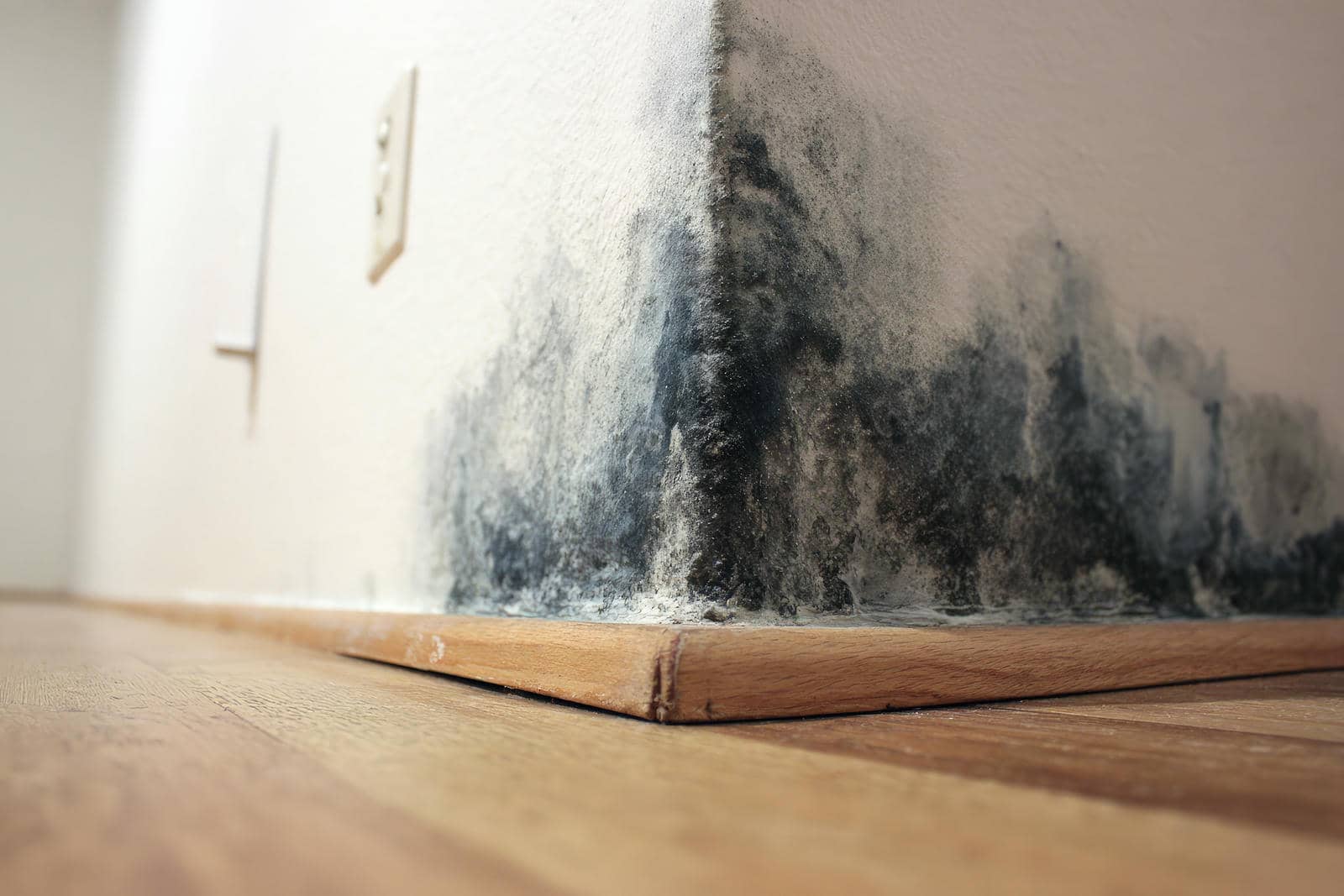
After a hurricane, you face numerous challenges, but mold shouldn’t be one of them. The damp conditions can trigger rapid mold growth, threatening both your health and your home’s structure. Knowing the signs of infestation and the critical steps for remediation is essential. Ignoring this issue could lead to severe consequences. So, how do you effectively manage mold and safeguard your recovery process? Let’s explore the necessary actions you can take.
Key Takeaways
- Act quickly to remove standing water and reduce moisture levels below 60% to prevent mold growth after a hurricane.
- Dry out your home using fans and dehumidifiers to inhibit mold development effectively.
- Inspect for leaks in pipes, roofs, and windows, and repair them promptly to avoid moisture retention.
- Clean and sanitize surfaces with mold-inhibiting cleaners to eliminate potential spores and prevent growth.
- Consider professional mold remediation services for a thorough assessment and removal if you suspect mold infestation.
Understanding Mold Growth After Hurricanes
When a hurricane strikes, the aftermath often leaves homes vulnerable to mold growth due to the excessive moisture it introduces. Understanding the mold lifecycle is vital for effective recovery.
Mold spores thrive in damp environments, quickly germinating when moisture levels exceed 60%. In just 24 to 48 hours, you could see signs of mold, which can lead to structural damage and health risks.
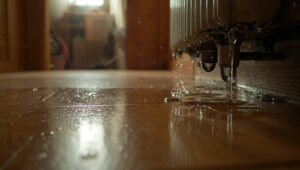
To combat this, moisture control is essential. Start by removing standing water and drying out affected areas promptly. Use dehumidifiers and fans to reduce humidity levels, ensuring surfaces are completely dry.
Regular inspections and maintaining proper ventilation can also help prevent mold from taking hold during the recovery process. By actively managing moisture, you protect your home and foster a safer environment for yourself and your loved ones.
Taking these steps now can make a significant difference in your recovery journey.
Signs of Mold Infestation in Flood-Damaged Areas
How can you identify mold infestation in flood-damaged areas?
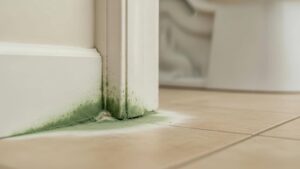
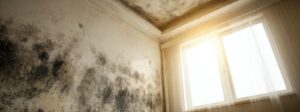
Start by looking for flood damage indicators, such as discoloration on walls, ceilings, or floors. These stains may appear as dark spots or patches, often in areas that remained damp after the flooding.
Utilize mold identification techniques like smelling musty odors, which can signal hidden mold growth. Pay attention to any visible mold growth; it can be fuzzy, slimy, or even powdery in texture.
Check for peeling or bubbling paint, which can indicate moisture retention beneath the surface. Additionally, observe the air quality—excessive humidity or a stuffy atmosphere can foster mold development.
Remember, mold thrives in damp, warm environments, making quick identification essential for your recovery.
The Importance of Timely Mold Remediation
Timely mold remediation is essential for your health and your home.
Mold exposure can lead to serious respiratory issues and other health risks, while delays in addressing infestations can result in significant structural damage.
Health Risks of Mold
Mold exposure poses significant health risks that can escalate quickly if not addressed promptly. Various mold types, such as black mold and Aspergillus, can trigger serious health symptoms, including respiratory issues, allergic reactions, and even neurological problems.
You may not realize that prolonged exposure can lead to chronic health conditions, compounding your recovery challenges. If you notice any signs of mold, like a musty smell or visible growth, it’s essential to act fast. Ignoring these warning signs mightn’t just affect your home but your family’s well-being, too.
Preventing Structural Damage
As you navigate the aftermath of a hurricane, addressing mold growth swiftly is vital to preventing structural damage to your home.
Effective mold prevention strategies are important in your disaster recovery planning. Here are four key actions to take:
Remove Moisture: Dry out any wet areas within 24-48 hours to inhibit mold growth.
Inspect Your Home: Regularly check basements, attics, and crawl spaces for signs of moisture or mold.
Use Dehumidifiers: Maintain indoor humidity levels below 60% to reduce mold risk.
Seal Vulnerable Areas: Confirm windows, doors, and roofs are properly sealed to prevent water intrusion.
Taking these proactive steps safeguards your property and fosters a sense of community resilience.
Health Risks Associated With Mold Exposure
While many people may underestimate the dangers lurking in damp environments, exposure to mold can lead to significant health risks. Mold symptoms can vary widely, but they often include allergic reactions and respiratory issues. If you’re living in a mold-infested area, your health could be at stake.
Here’s a brief overview of common health risks:
| Health Risk | Description |
|---|---|
| Allergic Reactions | Sneezing, itching, skin rashes |
| Respiratory Issues | Coughing, wheezing, shortness of breath |
| Sinus Infections | Congestion, facial pain |
| Asthma Exacerbation | Increased frequency of attacks |
| Long-Term Effects | Chronic respiratory problems, fatigue |
Ignoring mold can lead to long-term effects that compromise your well-being. Taking immediate action is crucial to safeguard your health and ensure a successful recovery from the hurricane’s aftermath.
Steps to Prevent Mold Growth During Recovery
To effectively prevent mold growth during recovery, it’s vital to address moisture control immediately.
Mold thrives in damp environments, so implementing mold prevention techniques is essential for your post-hurricane care.
Here are four steps you can take:
Remove standing water: Act quickly to eliminate any water from your home, as even small amounts can encourage mold growth.
Dry out your home: Use fans and dehumidifiers to reduce humidity levels. Aim for a humidity level below 60%.
Inspect for leaks: Check pipes, roofs, and windows for leaks. Repair any issues promptly to prevent moisture intrusion.
Clean and sanitize surfaces: Use mold-inhibiting cleaners on surfaces that may have come into contact with water, ensuring you eliminate any mold spores before they can grow.
Professional Mold Remediation Services Explained
When it comes to mold remediation, quick action is essential to prevent further damage.
Professional services follow a systematic process that includes assessment, containment, removal, and restoration.
Understanding these steps can help you make informed decisions during your recovery.
Importance of Quick Action
Taking swift action after a hurricane is essential in preventing mold growth, as the damp conditions left in the storm’s wake create an ideal environment for mold to thrive.
You can effectively implement mold prevention strategies through rapid response techniques, ensuring your home remains safe and healthy.
Here are four key actions to contemplate:
Assess Damage: Quickly evaluate water damage to identify affected areas.
Remove Water: Use pumps or wet vacs to eliminate standing water within 24-48 hours.
Dry Out Spaces: Employ fans and dehumidifiers to dry out the environment thoroughly.
Inspect and Clean: Check for visible mold and clean surfaces with appropriate solutions.
Taking these steps promptly can greatly reduce the risk of mold infestation in your home.
Steps in the Remediation Process
After addressing immediate concerns following a hurricane, understanding the steps involved in professional mold remediation services becomes essential. The remediation process typically involves several key stages aimed at effective mold prevention and removal.
| Step | Description |
|---|---|
| Assessment | Inspecting the affected areas for mold |
| Containment | Isolating the contaminated area |
| Filtration | Using air scrubbers to remove spores |
| Remediation Techniques | Applying cleaning solutions and repairs |
| Prevention | Implementing strategies to avoid future mold |
DIY Mold Removal: When to Seek Professional Help
While many homeowners might consider tackling mold removal on their own, it’s crucial to recognize when the situation exceeds your capabilities.
DIY techniques can be effective for minor infestations, but knowing when to call in a professional can save you time and health risks.
Here are four signs it’s time for a professional evaluation:
Extensive Growth: If you see mold covering more than 10 square feet, it’s best to consult an expert.
Persistent Odors: Unexplained musty smells indicate hidden mold, requiring specialized equipment.
Health Issues: If you or your family experience respiratory problems or other health effects, don’t hesitate to seek help.
Water Damage: Significant water exposure from flooding can lead to mold growth that’s often beyond a DIY fix.
Recognizing these signs ensures your recovery from the hurricane remains safe and effective.
Insurance Coverage for Mold Remediation
How do you navigate the complexities of insurance coverage for mold remediation after a hurricane? Understanding your insurance policy is vital, as coverage limits and mold exclusions vary widely. Start by reviewing your policy for any endorsements that cover mold damage.
| Aspect | Details | Action Required |
|---|---|---|
| Coverage Limits | Amount insurers will pay | Check policy specifics |
| Mold Exclusions | Situations not covered | Identify potential gaps |
| Documentation Requirements | What you need to submit for a claim | Gather necessary documents |
The claim process requires detailed documentation. Make certain you include inspection services to assess mold issues thoroughly. Document remediation costs to ensure you receive appropriate compensation. By being proactive, you can effectively manage your recovery and mitigate mold’s impact on your home.
Long-Term Solutions for Water Damage Prevention
To effectively prevent water damage in your home, you need to implement long-term solutions that address drainage, maintenance, and humidity control.
First, installing effective drainage systems can direct water away from your property and minimize risk.
Additionally, regular maintenance checks and humidity control measures will ensure your environment remains safe and dry.
Effective Drainage Systems
Effective drainage systems are essential for mitigating immediate water damage during hurricanes and for preventing long-term issues like mold growth and structural deterioration.
A well-planned drainage design aids in efficient water diversion away from your home. Here are four key components to take into account:
Grading: Verify your yard slopes away from the foundation to promote proper drainage.
Gutters and Downspouts: Install effective gutter systems that direct rainwater away from your home’s base.
French Drains: Think about installing French drains to manage groundwater and redirect excess water.
Stormwater Management: Implement systems designed for managing heavy rainfall, like retention ponds or permeable paving.
Regular Maintenance Checks
While many homeowners focus on immediate repairs after a hurricane, neglecting regular maintenance checks can lead to persistent water damage issues, including mold growth.
To protect your home and promote a healthy environment, incorporate routine inspections into your seasonal upkeep. This means checking for leaks in pipes, inspecting your roof for damage, and ensuring proper drainage systems are functioning effectively.
Regularly examine areas prone to moisture, such as basements and attics. By prioritizing these maintenance checks, you’ll catch potential problems early, saving time and money in the long run.
Additionally, fostering a sense of community awareness about these practices can encourage others to take proactive measures, strengthening the resilience of your neighborhood against future disasters.
Humidity Control Measures
Controlling humidity is essential for preventing water damage and mold growth in your home, especially in the wake of a hurricane.
Implementing effective humidity control strategies will create a more comfortable living environment and safeguard your property.
Here are some recommendations to help you manage humidity levels:
Invest in a Quality Dehumidifier: Choose one that’s appropriately sized for your space; look for energy-efficient models.
Seal Windows and Doors: Confirm there are no leaks that can allow humid air to enter.
Use Exhaust Fans: Activate them in kitchens and bathrooms to expel moisture.
Maintain Proper Ventilation: Keep air circulating, especially in basements and attics, to reduce stagnant humidity.
Choosing the Right Mold Remediation Company
How do you ensure you’re selecting the right mold remediation company for your needs? Start by evaluating contractor qualifications.
Look for certifications and licenses that indicate expertise in mold remediation techniques. A qualified contractor should understand various approaches, from containment to removal, ensuring safety and effectiveness.
Next, ask for references and read reviews. Feedback from previous clients can reveal a company’s reliability and quality of service.
Don’t hesitate to inquire about their specific mold remediation techniques and the equipment they use; this illustrates their commitment to tackling your issue effectively.
Finally, ensure they provide a detailed plan and estimate before starting any work. This transparency helps you understand the process and costs involved.
Final Thoughts
In the aftermath of a hurricane, it’s vital to act quickly to prevent mold from taking hold in your home. By understanding the risks and signs of mold growth, you can protect your health and property. Have you considered how an extensive mold remediation plan could safeguard your recovery efforts? Engaging professionals ensures a thorough approach, allowing you to focus on rebuilding your life while minimizing long-term damage. Prioritize mold prevention to secure a safe, healthy environment for you and your family.