When it comes to ceiling water damage woes and the threat of mold, understanding the problem is vital. You might notice water stains, peeling paint, or a musty smell, all of which signal hidden issues. Identifying the source of leaks is the first step in tackling this menace. But how do you effectively uncover these problems and ensure your home remains safe? Let’s explore the essential tools and techniques that can make a difference.
Key Takeaways
- Quickly address visible water stains on ceilings to prevent costly repairs and mold growth.
- Regularly inspect roofs, plumbing, and gutters to catch leaks before they damage ceilings.
- Use moisture meters and infrared cameras to detect hidden dampness behind walls.
- Wear protective gear during mold remediation and use effective mold-killing solutions.
- Call professionals if stains persist or if mold growth poses health risks.
Understanding Ceiling Water Damage
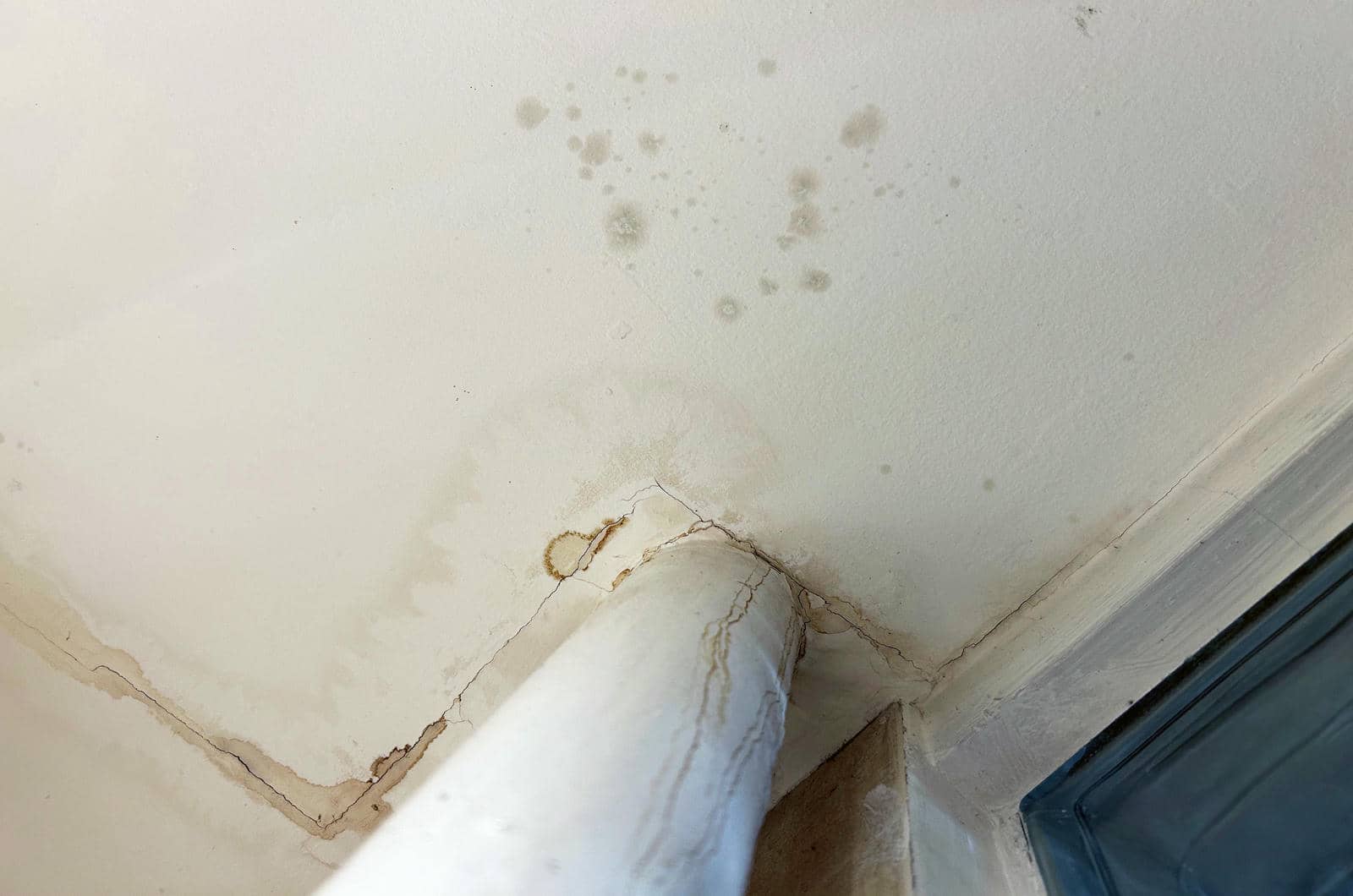
When you notice water stains on your ceiling, it’s essential to understand what’s really happening. These stains often signal underlying water damage that can lead to more serious issues if left unaddressed. You might think it’s just an unsightly mark, but it could indicate a leak that’s compromising the integrity of your home.
Ignoring these signs can escalate into costly ceiling repairs, not to mention the potential for mold growth, which poses health risks. It’s important to act quickly; drying out the affected area is vital.
Consider consulting professionals who can assess the damage and recommend the right repairs.
You’re not alone in facing this challenge—many homeowners encounter similar issues. By understanding the implications of water damage, you can take proactive steps to protect your home and create a safer, healthier living environment for you and your loved ones.
Identifying the Causes of Water Leaks
Water stains on your ceiling can be a clear warning sign of a hidden leak, but identifying the exact cause of those leaks can be a bit more complex.
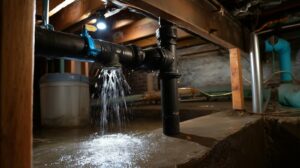
First, you’ll want to check common leak sources such as plumbing lines, especially if they run through your ceiling. Look for any signs of water pooling around fixtures or appliances.
Next, inspect your roof for vulnerabilities. Aging shingles, punctured membranes, or poorly sealed flashing can all allow water to seep in.
Pay attention to areas where different materials meet, as these joints are often weak points.
Don’t forget to take into account your gutters; clogged or broken gutters can lead to overflow and ultimately cause water to drip into your ceiling.
Signs of Mold Growth in Ceilings
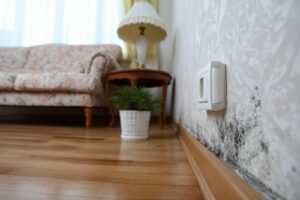
How can you tell if mold is silently taking over your ceiling? Start by looking for visible signs like dark spots or discoloration, which can indicate mold growth.
Use mold detection techniques, such as a moisture meter, to check humidity levels in your home—high humidity often leads to mold. During your ceiling inspection, pay attention to any peeling paint or warped drywall; these can be signs of water damage and potential mold development.
Additionally, if you notice a musty odor, it’s a red flag that mold might be lurking out of sight.
Regularly inspect your ceilings, especially in areas prone to leaks or high moisture, like bathrooms and kitchens. By being proactive and using these ceiling inspection methods, you can catch mold early and protect your home, ensuring a safe and welcoming space for you and your loved ones.
The Health Risks of Mold Exposure
Although you mightn’t see mold, its presence can pose serious health risks. Mold exposure can lead to a variety of mold symptoms, such as sneezing, coughing, and itchy eyes. For those with asthma or allergies, these issues can worsen, creating a sense of urgency to address mold problems.
The health implications don’t stop at respiratory issues; prolonged exposure can contribute to more severe conditions, including chronic fatigue and headaches. Even healthy individuals can experience these effects.
It’s essential to understand that mold thrives in damp environments, so if you’ve dealt with water leaks, your home may be at risk.
Being proactive in identifying and addressing mold is key to maintaining a healthy living space. Don’t ignore the signs—your well-being and that of your loved ones depend on it.
Stay informed, and take action to create a safe, comfortable home for everyone.
Essential Tools for Water Damage Repair
To effectively tackle water damage repair, you’ll need a few essential tools in your arsenal.
Begin by using moisture detection equipment to identify hidden damp areas, then gather mold remediation supplies to ensure a safe and thorough cleanup.
Finally, don’t forget about repair tools that will help you restore your ceiling to its former glory.
Moisture Detection Equipment
When it comes to addressing water damage, having the right moisture detection equipment is essential for pinpointing hidden issues.
You can’t just rely on your eyes; using advanced detection methods makes all the difference.
Here are some essential tools to take into account:
- Moisture sensors: These help identify damp areas behind walls and ceilings.
- Infrared cameras: They visualize temperature differences, indicating moisture presence.
- Moisture meters: These devices measure moisture levels in materials, guiding your repairs.
- Thermal hygrometers: They assess humidity levels, helping you understand the environment.
Mold Remediation Supplies
Mold remediation supplies are essential for effectively tackling water damage and preventing further issues.
To begin the mold removal process, you’ll need a thorough remediation kit that typically includes protective gear like gloves and masks, ensuring your safety while you work.
Look for specialized cleaners that can eliminate mold spores on various surfaces. A good HEPA vacuum is also vital to capture any lingering particles.
Don’t forget moisture control products, such as dehumidifiers, to keep humidity levels in check.
By equipping yourself with these supplies, you create a safer environment for yourself and your loved ones.
Repair Tools Essentials
Water damage repair requires a handful of essential tools that can make the process efficient and effective. Having the right tools speeds up repairs and ensures you achieve lasting results.
Here’s what you need to gather:
- Moisture Meter: Helps you identify hidden moisture in walls and ceilings.
- Utility Knife: Perfect for cutting through damaged drywall or insulation.
- Screwdriver Set: Essential for removing fixtures and securing new repair materials.
- Dehumidifier: Reduces humidity, preventing future mold growth.
Don’t forget about tool maintenance! Regularly clean and check your tools to make sure they’re ready for use.
Investing in quality tools and upkeep can make a world of difference in your water damage repair journey.
Step-by-Step Guide to Ceiling Repair
To effectively repair your ceiling, you first need to identify the source of the water damage.
Once you’ve pinpointed the issue, you’ll be able to address any leaks or moisture problems, which is essential to preventing mold growth.
Taking these steps restores your ceiling and protects your home from further damage.
Identify Water Damage Sources
Identifying the sources of water damage in your ceiling is crucial for effective repairs, especially since neglecting the issue can lead to more extensive problems down the line.
Start with thorough water leak detection and plumbing inspections to pinpoint any issues. Here’s how to approach it:
- Check for roof leaks: Inspect shingles and flashing for damage.
- Examine plumbing: Look for leaks in pipes running above the ceiling.
- Assess ventilation systems: Confirm no condensation is forming in ducts.
- Investigate humidity levels: High humidity can lead to moisture buildup.
Repair and Prevent Mold
Once you’ve pinpointed the sources of water damage in your ceiling, addressing the resulting mold and repairing the affected area becomes imperative. Here’s a step-by-step guide to help you through the process:
| Step | Action |
|---|---|
| 1 | Remove affected materials carefully. |
| 2 | Clean the area with a mold solution. |
| 3 | Apply a moisture control product. |
For effective mold prevention, ensure proper ventilation and humidity control in your home. Once repairs are made, consider installing a dehumidifier to maintain ideal moisture levels. By taking these steps, you’ll repair the damage and foster a healthier living space for you and your loved ones. Remember, staying proactive is key!
Effective Mold Remediation Techniques
While discovering mold on your ceiling can be alarming, addressing the issue promptly and effectively is crucial to maintaining a healthy living environment.
Start with the right mold removal methods and remember to prioritize safety precautions. Here are steps you can take:
- Wear protective gear: Use gloves, goggles, and a mask to shield yourself from spores.
- Seal off the area: Close doors and windows to prevent spreading mold spores to other parts of your home.
- Use a mold-killing solution: Mix water with vinegar or a commercial mold remover to scrub affected areas.
- Dry the area thoroughly: After cleaning, make sure the space is well-ventilated to prevent moisture buildup.
Preventing Future Water Damage
To keep future water damage at bay, you should start with regular roof inspections to catch potential issues before they escalate.
Proper gutter maintenance is also essential; clean them out regularly to make sure water flows freely away from your home.
Finally, seal any cracks promptly to prevent leaks and protect your ceilings from unwanted moisture.
Regular Roof Inspections
Regular roof inspections are essential for preventing future water damage, as they allow you to identify potential issues before they escalate.
By incorporating reliable roof maintenance tips and seasonal inspection checklists, you can protect your home and ensure the safety of your loved ones.
Here’s what you should focus on during your inspections:
- Check for missing or damaged shingles
- Inspect flashing around chimneys and vents
- Look for signs of moss or algae growth
- Examine gutters for debris and blockages
Making these inspections a routine part of your home care prevents leaks and fosters a sense of community and pride in maintaining your home.
Proper Gutter Maintenance
After ensuring your roof is in good shape, it’s time to turn your attention to gutters, which play a vital role in directing water away from your home.
Regular gutter cleaning is essential; debris can clog your gutters, leading to overflow and potential water damage. You should aim to clean your gutters at least twice a year, especially before heavy rain seasons.
Don’t forget about downspout maintenance—ensure they’re clear and direct water away from your foundation. You can use a hose to flush out any blockages.
Seal Cracks Promptly
Cracks in your walls or foundation can lead to significant water damage if left untreated, so addressing them promptly is crucial.
By practicing effective crack sealing and using waterproof coatings, you can protect your home from future woes. Here’s how to get started:
- Inspect your property regularly for visible cracks or gaps.
- Choose high-quality crack sealing materials that are designed for your specific needs.
- Apply waterproof coatings to enhance protection against moisture penetration.
- Monitor repairs over time to ensure they remain effective and address new cracks as they appear.
Taking these proactive steps keeps your home safe and fosters a sense of community and belonging among neighbors who care about maintaining their properties.
When to Call a Professional
Are you unsure when it’s time to call in a professional for ceiling water issues? Knowing when to seek help can save you from further damage and costly repairs.
If you notice persistent stains, bulging, or peeling paint on your ceiling, these signs often indicate a deeper problem that requires a professional assessment. Don’t ignore these red flags.
If you’re uncertain about the source of the leak or if it’s coming from plumbing, roofing, or even your HVAC system, reaching out to an expert is essential.
Additionally, if you’ve already tried basic fixes and the issue persists, it’s a strong signal that you need professional assistance.
Mold growth can also accompany water issues, leading to health concerns. Trust your instincts; if something feels off, it’s better to act sooner rather than later.
Your home deserves the proper care, so don’t hesitate to call in the experts when needed.
Maintaining a Mold-Free Environment
To maintain a mold-free environment, it’s vital to control moisture levels in your home, especially in areas prone to water damage.
Adopting effective mold prevention strategies can greatly improve your indoor air quality and create a healthier space for you and your loved ones.
Here are some practical tips to help you stay ahead of mold:
- Ventilate: Ensure proper airflow in bathrooms and kitchens by using exhaust fans or opening windows.
- Fix Leaks: Repair any leaks in pipes, roofs, or windows immediately to prevent water accumulation.
- Dehumidify: Use a dehumidifier in damp areas to keep humidity levels below 60%.
- Clean Regularly: Regularly clean and dry areas that may retain moisture, like shower curtains and under sinks.
Final Thoughts
In the battle against ceiling water woes and the lurking mold menace, you’re armed with knowledge and tools. Just like a knight shields their castle, regular inspections and preventive measures fortify your home from future attacks. When mold rears its ugly head, don’t hesitate to call in the experts—it’s your best defense. By staying vigilant and proactive, you can keep your living space safe and healthy, transforming your home into a sanctuary free from the shadows of moisture and mold.