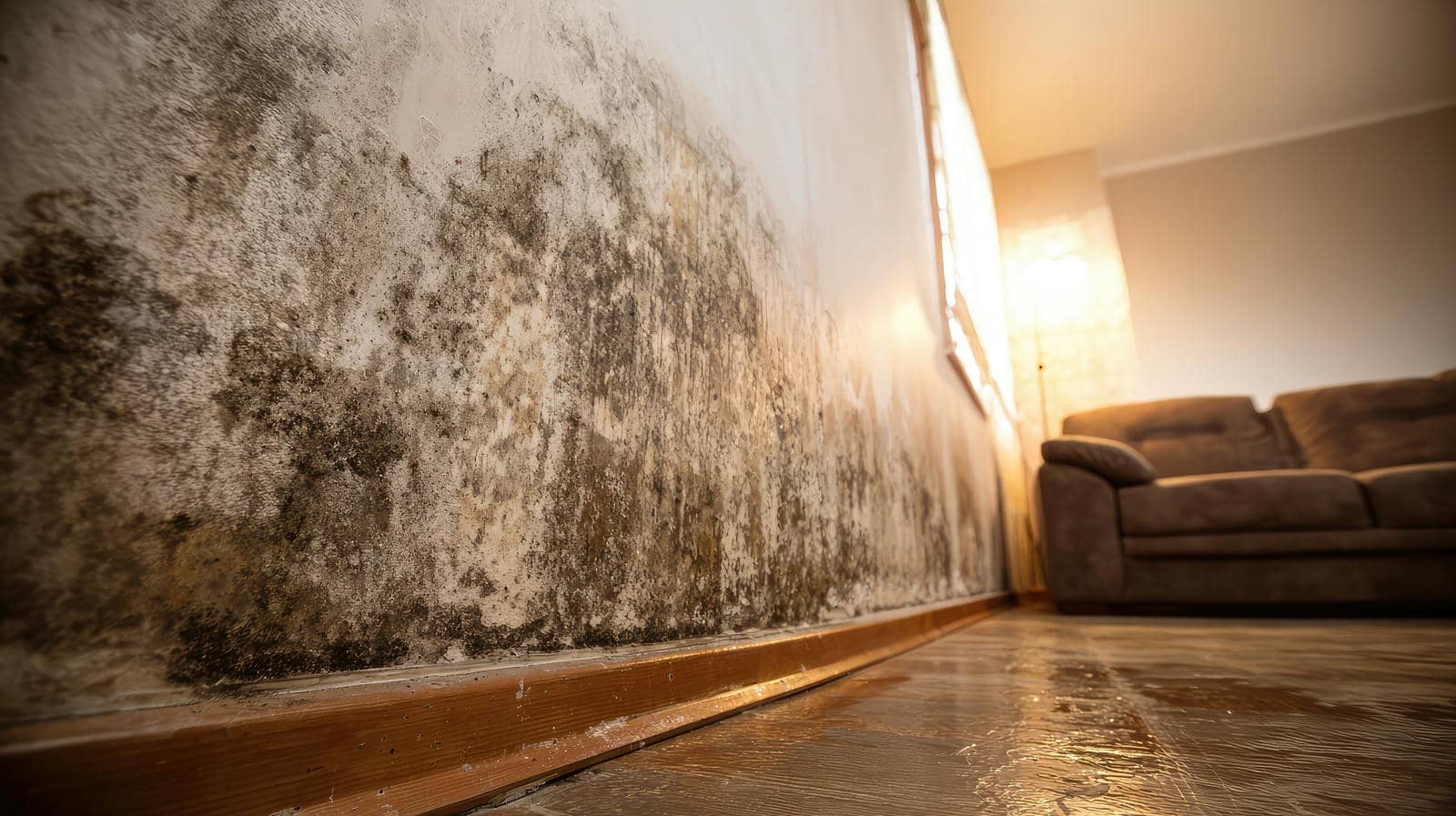
Understanding black mold’s risks, identifying its growth, and knowing how to remove it are vital steps after a hurricane. You might notice discoloration on walls or a musty smell in your home, signaling a problem. Safety precautions are essential during the removal process, as exposure can lead to health issues. What techniques will effectively eliminate mold, and when should you consider enlisting professional help? The answers could greatly impact your recovery efforts.
Key Takeaways
- Conduct a thorough inspection for mold in damp areas, focusing on walls, ceilings, and hidden spaces after a hurricane.
- Wear protective gear like gloves, goggles, and an N95 mask during mold removal to ensure safety.
- Use appropriate cleaning supplies such as soap, vinegar, or hydrogen peroxide based on the severity of the mold infestation.
- Document all mold damage with photos and notes for potential insurance claims and financial assistance.
- Ensure proper ventilation while cleaning and dispose of contaminated materials safely in sealed plastic bags.
Understanding Black Mold and Its Risks
When you experience water damage from a hurricane, understanding black mold and its risks becomes essential. Black mold, a type of mold known as Stachybotrys chartarum, thrives in damp environments. Its presence can lead to significant health effects, especially for vulnerable individuals, such as those with allergies, asthma, or weakened immune systems.
You might encounter various mold types after a hurricane, including Aspergillus and Cladosporium, but black mold poses unique dangers. Exposure can result in respiratory issues, skin irritation, and fatigue. Recognizing these risks helps you prioritize safety in recovery efforts.
Taking proactive measures, like ensuring proper ventilation and immediate cleanup, can mitigate mold growth and its potential health hazards.
Identifying Mold Growth After a Hurricane
Identifying mold growth after a hurricane is essential for your safety and health, as it can develop rapidly in damp conditions.
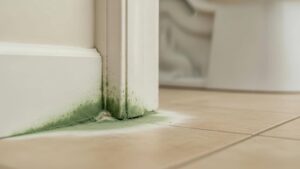
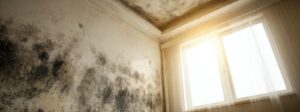
Start with a thorough post-hurricane inspection of your home, focusing on areas that were exposed to water. Look for discoloration on walls, ceilings, and floors, as well as any musty odors. These are often the first indicators of mold presence.
Utilize mold identification techniques such as visual inspections and moisture meters to assess the situation accurately. Pay close attention to hidden spaces like basements, crawl spaces, and behind appliances, where mold may thrive unnoticed.
If you spot any signs, take immediate action to prevent further growth. Early detection is key to protecting your home and loved ones.
Safety Precautions for Mold Removal
Before starting mold removal, it’s crucial to prioritize safety to protect yourself from potential health risks. Wearing protective gear is non-negotiable. Equip yourself with gloves, goggles, and an N95 respirator mask to shield against spores and irritants. These measures will help minimize your exposure to harmful substances during the process.
Ensure that the area is well-ventilated by opening windows and using fans to disperse airborne particles.
When you’re ready to dispose of contaminated materials, practice safe disposal methods. Place moldy items in heavy-duty plastic bags, sealing them tightly to prevent spores from escaping. Dispose of these bags in accordance with local regulations to avoid any environmental hazards.
Effective Mold Removal Techniques
Once you’ve taken safety precautions, you can effectively tackle mold removal with the right techniques. Start by selecting appropriate mold removal methods that fit the severity of the infestation. For minor cases, a mixture of water and detergent often suffices. However, for more extensive growth, consider using specialized cleaning supplies like vinegar or hydrogen peroxide.
Here’s a quick reference table for your convenience:
| Mold Removal Method | Cleaning Supplies |
|---|---|
| Soap and Water | Dish soap, warm water |
| Vinegar Solution | White vinegar, spray bottle |
| Hydrogen Peroxide | 3% hydrogen peroxide solution |
| Baking Soda Paste | Baking soda, water |
| Commercial Mold Remover | Store-bought mold cleaner |
Remember to scrub surfaces thoroughly and ensure proper ventilation while you work. This will help you achieve effective results and restore your space.
Preventing Future Mold Growth
To effectively prevent future mold growth, it’s essential to address moisture control in your home.
Start by ensuring proper ventilation in all areas, especially kitchens and bathrooms, where humidity levels can spike. Installing exhaust fans can greatly help in regulating moisture.
Additionally, consider using mold-resistant materials when renovating or building; these materials can greatly reduce the chances of mold taking hold.
Humidity control is another vital factor. Keep indoor humidity levels between 30-60% using dehumidifiers if necessary.
Regularly check for leaks in plumbing and roofing, as even minor issues can lead to considerable moisture buildup.
Cleaning and maintaining gutters will also prevent water from pooling around your foundation.
When to Call in Professionals
While many homeowners tackle minor mold issues on their own, knowing when to call in professionals is vital to ensure a thorough and safe removal.
If you notice extensive mold growth, especially if it covers more than 10 square feet, it’s time to seek help. Professionals can provide a detailed mold remediation plan tailored to your home’s specific needs.
Additionally, if you experience health concerns, such as respiratory issues or persistent allergies, a professional assessment becomes essential. They’ve the expertise to identify hidden mold in walls or ceilings that you might overlook.
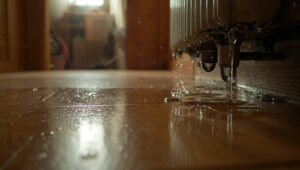
Lastly, if the mold is a result of significant water damage from the hurricane, the risks increase, making professional intervention necessary.
Insurance and Financial Considerations for Mold Remediation
When dealing with black mold after a hurricane, understanding your insurance coverage is vital.
Many policies have specific clauses regarding mold damage, so it’s essential to review them carefully.
Additionally, knowing how to file claims and explore financial assistance programs can greatly ease the burden of remediation costs.
Coverage for Mold Damage
Understanding your coverage for mold damage is essential, especially after a hurricane has wreaked havoc on your property. Many homeowners overlook the specifics of their mold insurance and may find themselves facing unexpected policy limitations.
Here’s what you need to take into account:
Check your policy: Review your homeowner’s insurance for any mold-related clauses.
Understand exclusions: Some policies exclude mold damage resulting from flooding, so clarify any restrictions.
Seek additional coverage: If mold isn’t covered, you might want to think about adding a rider specifically for mold damage.
Knowing these details can help you navigate the complex landscape of mold insurance and ensure you’re prepared for the costs associated with remediation.
Your peace of mind matters in the aftermath of a disaster.
Filing Insurance Claims
How do you navigate the process of filing insurance claims for mold remediation after a hurricane?
First, familiarize yourself with your policy’s mold coverage. Start the claim process promptly; many insurers have time limits.
Document the damage thoroughly—take photos and videos, and make detailed notes of affected areas. This documentation is vital for a successful claim.
When submitting your claim, include all necessary paperwork and any estimates from mold remediation professionals. Be clear and concise in your communication with your insurer.
If you encounter difficulties, don’t hesitate to ask for clarification or assistance. Following these documentation tips can streamline the process and help ensure you receive the coverage you need for effective mold remediation.
Financial Assistance Programs
Maneuvering financial assistance programs for mold remediation after a hurricane can be essential for homeowners facing unexpected costs.
Understanding the available options can ease your financial burden:
Federal Assistance: FEMA offers programs that may cover mold remediation costs for eligible homeowners.
Local Grants: Many local governments provide grants to help with recovery efforts, which can include mold removal.
Insurance Coverage: Review your policy for mold coverage, as some plans may reimburse part of the remediation expenses.
Summary
In the aftermath of a hurricane, you can’t afford to ignore black mold’s lurking dangers. Swift action is critical; the longer you wait, the more pervasive the problem becomes. By following the outlined steps for identification and removal, you protect your home and your health. But remember, if the situation escalates beyond your control, don’t hesitate to call in professionals. The stakes are high, and your safety should always come first. Will you take that step?