When it comes to black mold cleanup, understanding the best practices is essential for both safety and effectiveness. You’ll need to assess the extent of the mold growth and ensure you’re equipped with the right protective gear. Containing the affected area is critical to prevent further spread. But what steps should you take next? Addressing moisture sources and removing contaminated materials can be complex, and the right approach makes all the difference.
Key Takeaways
- Conduct thorough visual inspections and document mold growth, especially if black mold is identified.
- Wear appropriate protective gear, including a high-quality suit, N95 respirator, goggles, and gloves.
- Seal off affected areas with plastic sheeting and create a negative-pressure environment to contain spores.
- Identify and repair moisture sources to prevent future mold growth and ensure proper ventilation.
- Schedule regular inspections every 3 to 6 months to monitor for signs of mold and moisture.
Assessing the Extent of Mold Growth
Before you start any cleanup efforts, it’s essential to evaluate the extent of mold growth in your space, as this step determines the necessary actions and resources.
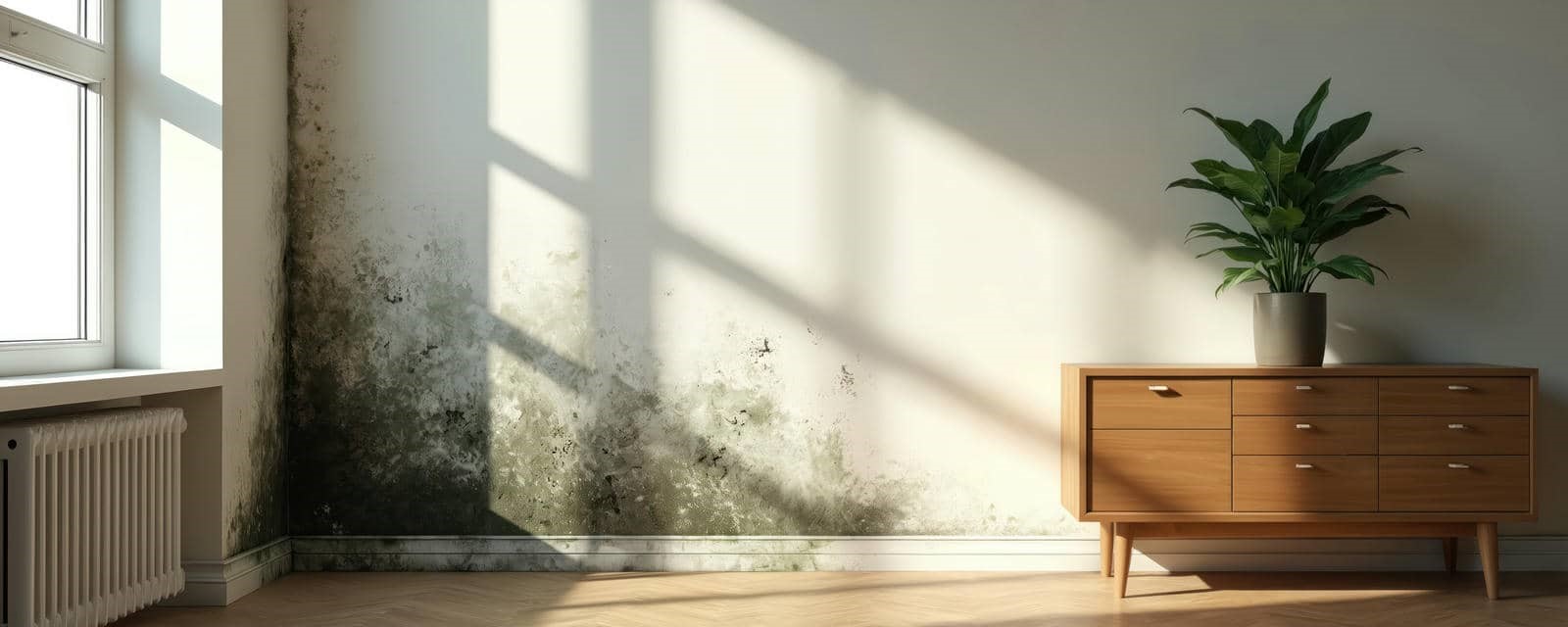
Begin with visual inspection techniques to identify affected areas; look for discoloration, water stains, or a musty odor. Pay attention to hidden spaces like behind walls or under carpets, as mold often thrives in moisture-rich environments.
Utilize mold identification methods to distinguish between types of mold. If you spot black mold, it’s critical to document the extent of the growth for effective remediation.
Take notes and photographs, which can help in planning your cleanup strategy. Evaluating mold growth aids in understanding the severity and fosters a sense of community as you share your findings with professionals or fellow homeowners.
This proactive approach sets the stage for efficient and safe mold remediation, ensuring a healthier living environment for you and your loved ones.
Ensuring Personal Safety and Protective Gear
While tackling mold cleanup, ensuring your personal safety is paramount. To protect yourself from harmful spores and toxins, you’ll need to equip yourself with the right protective gear.
Start with a high-quality protective suit that covers your entire body; this minimizes skin contact with mold. Choose an N95 respirator to filter airborne particles, as regular masks won’t suffice.
Don’t forget about safety goggles—these are essential to shield your eyes from irritants that can cause discomfort or injury. Make sure they fit snugly to prevent any mold spores from entering.
Gloves are also vital; opt for thick, disposable gloves to further reduce exposure.
Containing the Affected Area
To effectively manage mold cleanup, it’s crucial to contain the affected area, preventing spores from spreading to other parts of your home.
Start by implementing mold containment strategies, such as sealing off areas with plastic sheeting. Use heavy-duty plastic to cover doorways, vents, and any openings, ensuring that air can’t circulate from the contaminated space to cleaner areas.
Next, create a negative pressure environment by using fans that exhaust air outside, which helps draw spores away from the rest of your home. Don’t forget to close windows and doors to minimize airflow.
Additionally, establish a decontamination zone for removing contaminated materials.
Identifying and Addressing Moisture Sources
Since moisture is the primary catalyst for mold growth, identifying and addressing its sources is crucial for effective cleanup.
Begin with moisture detection to pinpoint where water might be entering your home. Check for leaks in plumbing, roofs, or windows, as these are common water sources. Don’t overlook less obvious culprits like condensation from appliances or humidifiers.
Once you identify the sources, take immediate action to repair or mitigate them. Seal any leaks and ensure proper ventilation in areas prone to dampness, such as bathrooms and basements.
Using dehumidifiers can also help maintain ideal humidity levels, preventing future mold growth.
Regularly inspect your home for signs of moisture, as proactive maintenance can save you from larger mold issues down the line.
Removing Contaminated Materials
Removing contaminated materials is a critical step in the mold cleanup process, and it often involves more than just throwing away visibly affected items.
You’ll need to use effective removal techniques to ensure all mold spores are removed. Start by identifying materials like drywall, carpeting, and insulation that may harbor mold growth. These items often require complete removal to prevent further contamination.
When it comes to disposal methods, seal contaminated materials in plastic bags to minimize the risk of spreading spores during transportation.
Check local regulations for specific disposal guidelines, as improper disposal can lead to legal issues or further contamination.
Always wear appropriate protective gear, such as gloves and masks, to safeguard yourself during the process.
Cleaning and Disinfecting Surfaces
Once you’ve removed contaminated materials, the next vital step is cleaning and disinfecting surfaces to eliminate any remaining mold spores and prevent future growth.
Start by using natural cleaning solutions like vinegar or baking soda, which can effectively kill mold without harsh chemicals. Apply these solutions to surfaces using a cloth or scrub brush, ensuring you cover every affected area.
Once you’ve cleaned, it’s imperative to follow up with surface disinfectants that are specifically designed to combat mold. Choose products that are EPA-approved for mold remediation. Allow the disinfectant to sit for the recommended time to ensure maximum effectiveness.
After disinfecting, dispose of any cleaning materials safely to avoid cross-contamination.
Finally, make certain to wear protective gear throughout the process, as this will help keep you safe while fostering a healthy environment for everyone in your space.
Drying and Dehumidifying the Area
To effectively prevent mold from returning, drying and dehumidifying the area is essential after cleanup. Proper moisture control is critical, and selecting the right dehumidifier plays a significant role in this process.
Here are some effective drying techniques to evaluate:
Ventilation: Open windows and doors to promote airflow.
Fans: Use high-velocity fans to circulate air and expedite drying.
Dehumidifiers: Choose a dehumidifier based on the size of the affected area to efficiently remove moisture.
Heat: Increase the temperature in the space to enhance evaporation rates.
Absorbent Materials: Utilize towels or mops to soak up excess water quickly.
Monitoring for Future Mold Growth
To prevent future mold growth, you should establish a regular inspection schedule for your home.
Keeping an eye on potential problem areas helps catch moisture issues before they escalate.
Additionally, implementing humidity control measures will further reduce the risk of mold reappearing in your living space.
Regular Inspections Schedule
Although you may have successfully removed black mold from your property, it’s essential to establish a regular inspection schedule to monitor for future growth.
A proactive approach ensures that you can address potential issues before they escalate. Here are some best practices for developing your inspection frequency and checklist:
- Schedule inspections every 3 to 6 months.
- Inspect areas with previous mold issues or high humidity.
- Document findings and any signs of moisture or mold.
- Use a checklist that includes walls, ceilings, and hidden spaces.
- Engage a professional if you notice persistent problems.
Humidity Control Measures
Maintaining ideal humidity levels is crucial for preventing future mold growth in your home. To achieve this, utilize humidity control techniques like proper ventilation and moisture barriers.
Regularly check areas prone to moisture, such as basements and bathrooms, to ensure they remain dry. Consider investing in effective dehumidifiers, which can considerably reduce moisture levels. Set your dehumidifier to maintain indoor humidity between 30-60% for best results.
Additionally, using exhaust fans during showers and cooking can help manage humidity. Remember, it’s not just about cleaning up mold; it’s about establishing a proactive approach to prevent it from returning.
Frequently Asked Questions
Can I Clean Black Mold With Household Cleaners?
You can use some household cleaners for mold removal, but effectiveness varies. Make certain you’re selecting products designed for mold, and always prioritize safety by wearing protective gear and ensuring proper ventilation during the cleaning process.
How Long Does It Take to Remove Black Mold?
Removing black mold typically takes one to several days, depending on the extent of the infestation and the duration of the cleanup. A mold removal timeline can vary, so carefully evaluating the situation ensures thorough and effective remediation.
Will Bleach Kill Black Mold Effectively?
Bleach isn’t the most effective solution for mold removal; studies show it only kills surface mold, not the roots. For thorough mold eradication, consider using specialized products designed specifically for black mold removal instead.
Is It Safe to Stay in My Home During Cleanup?
It’s generally unsafe to stay in your home during cleanup due to potential health risks and compromised air quality. You should evacuate until the area is thoroughly treated and verified free of mold.
How Do I Prevent Mold From Returning After Cleanup?
To prevent mold from returning, use mold-resistant materials during repairs and control humidity levels. Keep indoor humidity below 60%, ensure proper ventilation, and regularly inspect areas prone to moisture for potential issues.
Review
Tackling black mold cleanup is like maneuvering through a maze—each step requires careful consideration to avoid dead ends. By evaluating the extent of the growth, ensuring your safety, and containing the area, you can effectively manage the situation. Addressing moisture sources and thoroughly cleaning surfaces helps eliminate the problem, while regular monitoring keeps future issues at bay. By following these best practices, you’re not just cleaning; you’re creating a healthier environment for yourself and others.