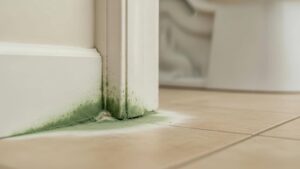
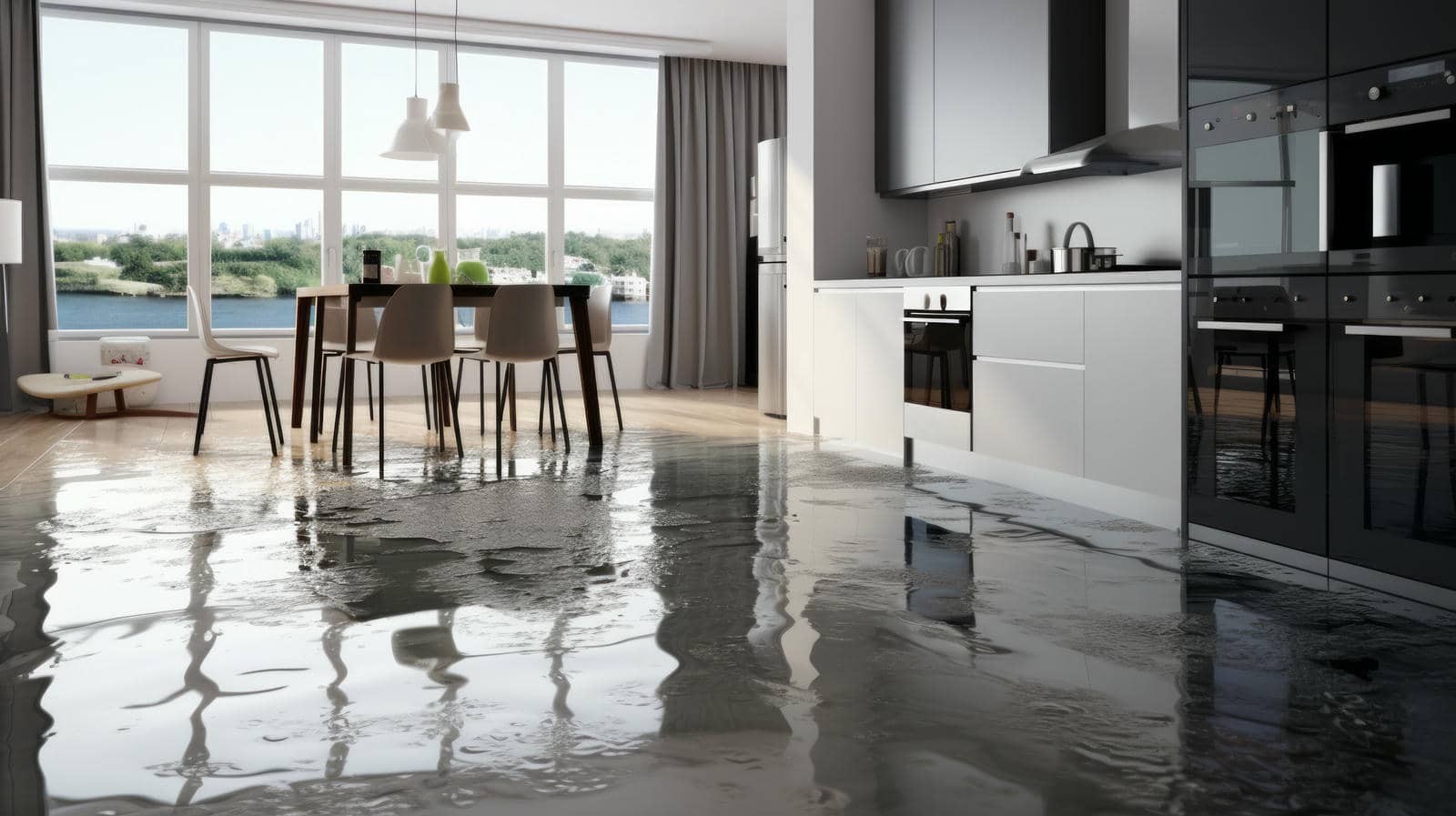
Imagine standing in your home, waterlogged floors gleaming under the dim light, remnants of your life scattered around. You know the road to recovery starts now, but where do you begin? With careful assessments and safety measures, you can tackle the aftermath effectively. It’s essential to understand each step, from removing water to preventing mold. Let’s explore the best post-flood cleanup practices that can guide you through this challenging process.
Key Takeaways
- Assess damage thoroughly, documenting findings with photos and turning off power to avoid electrical hazards before entering affected areas.
- Wear protective gear, including gloves, goggles, and waterproof boots, to shield yourself from contaminants during the cleanup process.
- Efficiently remove water using sump pumps and wet-dry vacuums, followed by drying the area with fans and dehumidifiers.
- Clean and disinfect all surfaces, allowing solutions to sit for at least 10 minutes to ensure effective sanitation.
- Keep detailed records of damage and expenses for insurance claims, considering professional help for major repairs to ease the process.
Assessing the Damage and Safety Concerns
As you begin the cleanup process after a flood, it’s vital to assess the damage and identify any safety concerns that may arise. Start by walking through your space, noting affected areas like walls, floors, and furniture. Look for signs of mold or structural damage, as these can pose significant risks. Document your findings with photos; this will help with insurance claims and provide a thorough damage assessment.
Safety precautions are important at this stage. Be mindful of electrical hazards—turn off power to affected areas before entering. Check for sharp objects or debris that could cause injuries. If you notice any gas leaks or strange odors, evacuate immediately and contact professionals.
Taking these steps protects you and sets the stage for a more effective cleanup. You’re not alone in this; many have faced similar challenges, and together, we can rebuild and restore.
Wearing Proper Protective Gear
While diving into the cleanup effort, wearing proper protective gear is essential to safeguard your health and well-being. You’re not just cleaning up; you’re protecting yourself from potential hazards in your environment.
Here’s what you need:
- Protective clothing: Wear long sleeves and pants to shield your skin from contaminants.
- Safety goggles: Protect your eyes from debris and harmful substances that might be stirred up during cleanup.
- Gloves: Use heavy-duty gloves to prevent cuts and contact with harmful chemicals or bacteria.
- Sturdy boots: Opt for waterproof, steel-toed boots to keep your feet safe from sharp objects and wet conditions.
Removing Standing Water Effectively
After a flood, tackling standing water is vital to prevent further damage and health risks.
Start by using sump pumps to remove large amounts of water efficiently, and then switch to a wet-dry vacuum for any remaining moisture.
These tools can make a tough situation more manageable, so don’t hesitate to use them.
Use Sump Pumps
When you’re faced with standing water after a flood, using a sump pump can be one of your most effective solutions.
To ensure you tackle this challenge successfully, consider the following tips:
- Choose the Right Sump Pump Types: Depending on your needs, you might opt for submersible or pedestal sump pumps.
- Inspect Before Use: Check the sump pump for any signs of damage or wear to ensure it operates effectively.
- Perform Regular Sump Pump Maintenance: Clean the pump and check the discharge line to prevent clogs.
- Utilize a Backup System: A battery-operated backup pump can provide extra security during power outages.
Employ Wet-Dry Vacuums
Using a wet-dry vacuum can be a game-changer in the aftermath of a flood, especially when it comes to removing standing water efficiently.
There are various wet-dry vacuum types—some are portable, while others are more powerful for larger spaces. Choose one that fits your needs.
When operating your vacuum, make sure you wear protective gear and check for any electrical hazards.
For peak performance, follow key maintenance tips: clean the filter regularly and empty the tank to prevent clogs.
After you’ve finished, store it properly to make certain it’s ready for any future emergencies.
With the right tools and approach, you can reclaim your space and support your community through this challenging time.
Drying Out the Affected Area
As you begin the drying process in the affected area, it’s crucial to act quickly to prevent further damage and mold growth.
Here’s how to effectively manage moisture control and boost air circulation:
- Open Windows and Doors: Allow fresh air to flow through, helping to speed up the drying process.
- Use Fans: Position fans strategically to create a cross breeze, enhancing air circulation in the room.
- Dehumidifiers: Invest in dehumidifiers to extract excess moisture from the air, making a significant difference in drying time.
- Remove Wet Items: Clear out soaked furniture, carpets, and personal belongings to reduce moisture levels and prevent mold.
Cleaning and Sanitizing Surfaces
Though cleaning and sanitizing surfaces may feel overwhelming after a flood, it’s vital to tackle this step promptly to ensure a safe environment.
Start by gathering effective cleaning solutions like bleach or vinegar mixed with water, which are great for disinfection. Wear gloves and a mask to protect yourself while you work; safety is a priority.
Begin with non-porous surfaces such as countertops, floors, and appliances. Scrub these areas thoroughly to remove dirt and debris, then apply your chosen cleaning solution and let it sit for at least 10 minutes for effective surface disinfection. Don’t forget to rinse with clean water afterward.
For porous materials like upholstery and carpets, consider professional cleaning to make sure they’re sanitized properly.
Preventing Mold Growth
To prevent mold growth after a flood, you need to act quickly.
Start by removing any standing water and ensure your space is well-ventilated to promote drying.
Consider using mold inhibitors on affected surfaces to provide extra protection against this unwelcome intruder.
Immediate Water Removal
When water floods your home, acting quickly is essential to prevent mold growth and further damage.
Here are some effective water extraction methods to take into account as part of your flood response strategies:
- Shut Off Power: Confirm safety by turning off electricity in affected areas before starting any cleanup.
- Remove Standing Water: Use a submersible pump or wet/dry vacuum to eliminate as much water as possible.
- Dry Out the Space: Open windows and doors to facilitate airflow, and use fans to speed up drying.
- Dispose of Contaminated Items: Get rid of any wet materials, like carpets or drywall, that can’t be salvaged.
Taking these steps can greatly decrease the chances of mold spreading and help restore your home’s comfort.
Proper Ventilation Techniques
Proper ventilation is essential for preventing mold growth in your home after a flood, as stagnant air can create the perfect environment for mold spores to thrive.
Start by opening windows and doors to promote fresh air flow. If the weather’s not cooperating, use fans to boost air circulation methods, directing airflow toward damp areas.
Dehumidifiers can also help with humidity control, keeping moisture levels in check. Remember, aim for indoor humidity below 60%.
Regularly check areas like basements and bathrooms, as they’re prone to dampness.
By ensuring proper ventilation, you’re protecting your home and fostering a healthier environment for you and your loved ones.
You’re not just cleaning; you’re creating a safe space for everyone.
Use Mold Inhibitors
Applying mold inhibitors is a crucial step in safeguarding your home from post-flood mold growth. You don’t want to face the aftermath of mold, so here are some mold prevention strategies to take into account:
- Choose the Right Inhibitor: Look for products specifically designed to prevent mold growth.
- Apply During Cleanup: Use mold inhibitors while cleaning to tackle any lingering spores.
- Follow Instructions: Confirm you read and adhere to all application guidelines for effective mold treatment.
- Reapply as Needed: Regularly check and reapply mold inhibitors in damp areas to maintain protection.
Restoring and Replacing Damaged Materials
Although floodwaters can wreak havoc on your home, restoring and replacing damaged materials is an essential step toward reclaiming your space. Start by evaluating the damage; remove any materials that are beyond salvage, like wet drywall or soaked carpets.
Keep track of your losses for insurance claims, as this documentation can ease the recovery process.
When selecting materials, choose water-resistant options such as treated wood or mold-resistant drywall to ensure longevity. You’ll want to restore your home with materials that fit your budget and reflect your personal style, helping you feel more at home again.
Consider hiring professionals for major repairs, as they can help you navigate insurance and provide expertise in material selection.
Frequently Asked Questions
How Long Does It Take to Recover From a Flood?
Recovering from a flood typically takes weeks to months, depending on damage severity. Conduct a thorough flood damage assessment early on to establish a realistic flood recovery timeline, ensuring you can effectively rebuild and restore your space.
Can I Use Regular Household Cleaners After a Flood?
You shouldn’t use regular household cleaners after a flood; they often lack mold prevention properties. Instead, choose specialized cleaning supplies designed for flood recovery to ensure your home stays safe and healthy during the cleanup.
What Items Should I Discard After Flooding?
You should discard flooded items like carpets, mattresses, and upholstered furniture. Follow disposal guidelines from local authorities to prevent health risks. It’s tough, but prioritizing safety helps you rebuild your home and restore comfort.
How Do I File an Insurance Claim for Flood Damage?
Gather your insurance documentation, then follow your insurer’s claim process. Document damages, take photos, and submit promptly to ensure you receive the support you need.
Are There Government Resources for Flood Recovery Assistance?
Yes, you can find government resources for flood recovery. Check FEMA’s website for assistance programs tailored to your needs. Local agencies also offer support—don’t hesitate to reach out; you’re not alone in this.
Review
In the aftermath of a flood, following these tips can make a world of difference in your recovery. For instance, imagine a family that methodically documented their damage, wore protective gear, and quickly removed water using a sump pump. They sanitized their home and replaced damaged materials with mold-resistant options, ultimately creating a safer and healthier space. Remember, prioritizing your safety and mental well-being throughout this process is just as important as restoring your home.