Floods affect over 14 million homes in the U.S. each year, often leading to significant damage and distress. Guiding through the aftermath can feel overwhelming, but breaking it down into manageable steps can make a difference. It’s vital to know how to ensure safety, address immediate concerns, and protect your property for the future. Let’s explore the essential steps you should take for effective post-flood cleanup and repair.
Key Takeaways
- Ensure safety by checking for hazards and documenting damage with photos for insurance claims before starting the cleanup process.
- Remove standing water quickly using wet/dry vacuums or pumps, prioritizing safety and wearing protective gear.
- Clean and disinfect surfaces thoroughly, focusing on high-touch areas, and allow them to air dry to eliminate germs.
- Inspect for mold growth within 24-48 hours, cleaning affected areas with water and vinegar or commercial mold removers.
- Evaluate the property for weak points and install flood barriers, ensuring gutters and drainage systems are clear and functioning effectively.
Ensure Safety and Assess Damage
Before you begin the cleanup process, ensure your safety and thoroughly assess any damage. Start by checking for hazards like downed power lines or gas leaks; these can pose serious risks. Don’t hesitate to contact emergency services if you notice anything dangerous.
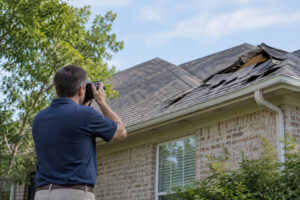
Next, evaluate your home’s condition. Document the damage with photos for your records and for your flood insurance claim. This step is significant for ensuring you receive the support you need during recovery.
Make a list of emergency contacts, including your insurance agent, to streamline communication as you navigate this chaotic time. Reaching out to neighbors can also provide a sense of community and shared experience, helping you feel less isolated.
Remove Standing Water
As you start the cleanup process, prioritizing safety is essential before addressing any standing water.
Use appropriate water extraction techniques to effectively remove the water and minimize further damage.
Safety First Measures
Removing standing water is essential for restoring your home and ensuring your safety. Before you begin, gather your emergency contacts, including local authorities and restoration services, as they can provide guidance and assistance.
Equip yourself with personal protective gear like gloves, boots, and masks to shield against contaminants and hazards. This proactive approach protects your health while fostering a sense of community, as you may find support from neighbors in similar situations.
Take your time to assess the area, ensuring that electrical hazards are addressed before proceeding. By prioritizing safety, you’re not just cleaning up; you’re creating a secure environment for yourself and your loved ones as you navigate the recovery process together.
Water Extraction Techniques
Act quickly to extract standing water, as this is essential for preventing further damage and mold growth.
Start by evaluating the situation and choosing appropriate water removal methods. For smaller areas, a wet/dry vacuum can be effective. If you’re dealing with larger volumes, consider using submersible or sump pumps.
Each pump type has its advantages; for instance, submersible pumps are great for deep water extraction, while sump pumps can manage continuous water flow.
Make sure you wear protective gear and work in a well-ventilated space.
Remember, the sooner you act, the more you’ll mitigate damage and create a safer environment for yourself and your loved ones.
You’re not alone in this; many have faced similar challenges and successfully moved forward.
Dry Out Affected Areas
Once you’ve removed standing water, it’s essential to assess the extent of the water damage in your space.
By effectively using dehumidifiers and ensuring proper ventilation, you can greatly reduce moisture levels and prevent further issues like mold growth.
Taking these steps helps restore your home and protects your health and well-being.
Assess Water Damage
Evaluating water damage is essential in the aftermath of a flood, as it helps you determine the extent of the destruction and the necessary steps for recovery.
Start by inspecting all affected areas, including walls, floors, and personal belongings. Document everything with photos for your insurance claims; it’ll make the process smoother.
Pay attention to signs of mold, structural damage, and lingering moisture, as these can impact property valuation considerably. Engage with professionals if needed, ensuring you feel supported throughout this challenging time.
Use Dehumidifiers Effectively
After evaluating the water damage, it’s time to tackle the drying process.
Using dehumidifiers effectively is essential for moisture control in your home. Start by selecting the right dehumidifier settings; a lower humidity level (between 30-60%) is ideal for drying out affected areas.
Place the dehumidifiers in the most damp spots, ensuring they have enough space to circulate air. Run them continuously for several days, checking and emptying the water reservoir as needed.
Monitor the humidity levels with a hygrometer to gauge your progress. Remember, a consistent drying environment helps prevent mold growth and restores your space to a comfortable, welcoming atmosphere.
You’re not alone in this; every step brings you closer to recovery.
Ventilate Affected Spaces
To effectively dry out affected areas, it’s essential to ventilate spaces by promoting air circulation and reducing humidity.
Begin by opening windows and doors to encourage cross-ventilation. If it’s safe to do so, use fans strategically to direct airflow and enhance drying. This method helps remove moisture and improve air quality, fostering a healthier environment.
You might consider using exhaust fans in bathrooms and kitchens, where humidity tends to accumulate.
Remember, maintaining humidity control is vital; a dehumidifier can complement your efforts, pulling excess moisture from the air.
Clean and Disinfect Surfaces
When floodwaters recede, the next critical step is to clean and disinfect surfaces to prevent lingering health hazards.
Begin with surface cleaning using soap and water to remove dirt and debris. Focus on high-touch areas like doorknobs, light switches, and countertops.
After cleaning, choose the right disinfectant types—bleach solutions or EPA-approved disinfectants are effective against pathogens. Always follow the manufacturer’s instructions for proper dilution and contact time.
As you navigate this process, remember that you’re not alone; many face similar challenges after flooding. It’s essential to wear protective gear, including gloves and masks, to safeguard your health.
Allow surfaces to air dry after disinfecting, as this aids in killing remaining germs. By taking these steps, you’re not just restoring your home; you’re creating a safe space for yourself and your loved ones.
Embrace this opportunity to rebuild, knowing you’re part of a resilient community.
Check for Mold Growth
As floodwaters recede, checking for mold growth becomes an important part of the recovery process, especially since mold can develop within 24 to 48 hours in damp conditions.
You’ll want to inspect areas that stayed wet for too long, like basements, walls, and furniture. Different mold types can pose health risks, so it’s vital to act quickly.
If you spot any discoloration or a musty smell, it’s time to take action. Wear protective gear while cleaning, and use a mixture of water and vinegar or a commercial mold remover.
Remember, mold prevention is key; keep humidity levels low and maintain proper ventilation in your home.
Reaching out for help is okay, whether it’s from professionals or neighbors who’ve faced similar challenges.
You’re not alone in this journey, and together, you can reclaim your space from the grips of mold.
Repair and Restore Damaged Structures
Once you’ve tackled mold growth, your focus should shift to repairing and restoring damaged structures.
Begin by evaluating the structural integrity of your home. Identify areas that need immediate attention, such as weakened beams, compromised walls, or damaged foundations. It’s essential to prioritize repairs that ensure safety and stability.
Utilize effective repair techniques tailored to the materials and extent of the damage. For instance, replacing drywall or reinforcing beams can restore strength, while sealing cracks and applying waterproofing measures can help prevent future issues.
Don’t hesitate to seek professional help if you’re unsure about complex repairs.
Implement Preventive Measures
To effectively safeguard your home against future flooding, it’s essential to implement preventive measures that address both vulnerabilities and potential risks.
Start by evaluating your property for weak points where water could enter. Installing flood barriers can provide a first line of defense, directing water away from your home. These barriers can be both temporary and permanent solutions, depending on your needs.
Next, assess your drainage systems. Verify gutters and downspouts are clear and functioning properly to channel water away from your foundation.
Consider enhancing your drainage systems with sump pumps or French drains if water accumulation is a frequent issue.
Communicate with neighbors and local authorities about community-level flood mitigation strategies. By sharing resources and knowledge, you foster a sense of belonging, creating a united front against future flooding challenges.
Taking these proactive steps can make a significant difference in protecting your home and ensuring peace of mind.
Frequently Asked Questions
How Long Does It Take for a House to Dry After Flooding?
After flooding, it typically takes days to weeks for your house to dry, depending on flood duration and the drying methods you use. Effective ventilation and dehumidifiers can greatly speed up the process.
What Should I Do With Damaged Personal Belongings?
When floodwaters rise, it’s like a storm disrupting your world. Start by evaluating damaged electronics for salvage. For important documents, dry them gently and consider professional restoration. Don’t rush; your belongings deserve care and attention.
Can I File an Insurance Claim for Flood Damage?
Yes, you can file a claim for flood damage if you have flood insurance. Start the claim process by documenting losses, contacting your insurer, and following their guidelines to ensure you receive the support you need.
Are There Any Government Assistance Programs Available for Flood Victims?
You can access local resources too, like community grants and support networks, to help you rebuild and recover from this devastating experience.
How Can I Find Reliable Contractors for Repairs?
Start by researching contractor qualifications online and asking for referrals from friends or neighbors. Request multiple repair estimates to compare pricing and services, ensuring you choose someone who understands your needs and fosters a sense of community.
Conclusion
In the aftermath of a flood, your safety and well-being come first. By evaluating damage, removing water, and drying affected areas, you lay the groundwork for recovery. Cleaning and disinfecting surfaces keeps your environment healthy, while checking for mold protects your family. Repairing structures restores your home, and implementing preventive measures safeguards against future floods. Each step you take rebuilds your space and strengthens your resilience, ensuring you’re better prepared for whatever comes next.