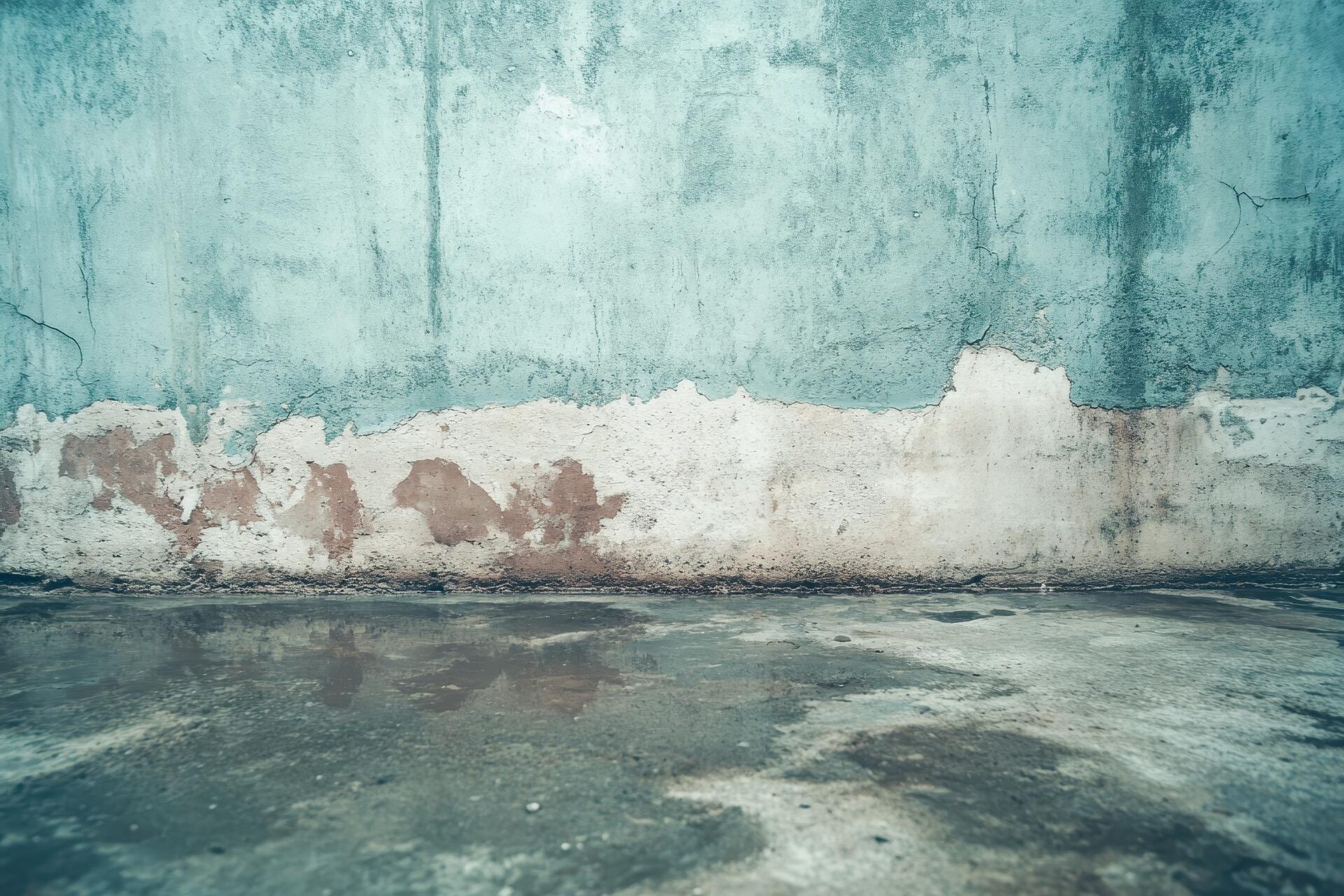
When dealing with black mold after water damage, it’s essential to act quickly and efficiently. You’ll need to assess the situation thoroughly, identifying the mold’s extent and potential hazards. Using the right cleaning solutions and techniques can make a significant difference in remediation. But knowing how to prevent future growth is just as important. Let’s explore the key strategies that can help you tackle this issue effectively.
Key Takeaways
Conduct a thorough assessment to identify the extent of mold and hidden moisture using inspection tools like moisture meters and infrared cameras.
Use personal protective equipment (PPE) to ensure safety during mold removal, including gloves, goggles, and respirators.
Apply effective cleaning solutions such as a water and vinegar mixture or hydrogen peroxide to eliminate mold spores from affected surfaces.
Implement advanced remediation techniques like HEPA vacuuming and encapsulation to contain mold and prevent future spores from spreading.
Prevent future growth by drying out areas within 24-48 hours and maintaining humidity levels below 60% using dehumidifiers and proper ventilation.
Identifying Black Mold in Water-Damaged Areas
When you suspect black mold in water-damaged areas, it’s vital to act promptly.
Begin by observing mold symptoms, which may include respiratory issues, skin irritation, or unexplained fatigue. These signs can indicate that your environment is unsafe.
Next, utilize effective inspection tools to locate potential mold growth. A moisture meter can help identify damp areas that are conducive to mold development, while an infrared camera can reveal hidden moisture behind walls.
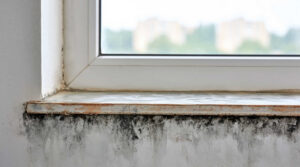
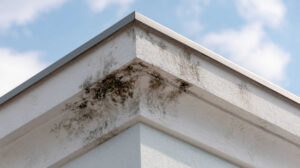
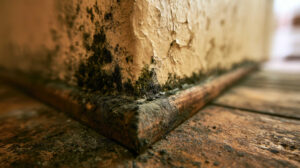
Look for black, green, or brown patches in corners, under sinks, or around windows, as these are common signs of mold.
Pay attention to any musty odors, which often accompany mold presence. If you find visible growth or suspect hidden mold, it’s important to document your findings for further assessment.
Safety Precautions for Mold Removal
Before starting mold removal, prioritize safety to minimize health risks. First, gather your personal protective equipment (PPE), including gloves, goggles, and a respirator, to shield yourself from mold spores.
Verify your workspace is well-ventilated by opening windows and using fans to disperse airborne particles.
Follow mold removal guidelines closely: seal off the affected area to prevent cross-contamination and use plastic sheeting to contain spores. Consider using a negative air pressure system to further protect your environment.
Keep children and pets away from the work area, as their sensitivity to mold may pose additional health risks.
Regularly check your PPE for wear and tear, replacing it as needed. By adhering to these safety precautions, you’ll create a safer, healthier space for yourself and those around you during the mold removal process.
Effective Cleaning Solutions for Black Mold
Five effective cleaning solutions can help you tackle black mold effectively.
First, a mixture of water and vinegar acts as a natural remedy, penetrating porous materials and killing mold spores. Spray it on affected areas, let it sit for an hour, then scrub.
Second, hydrogen peroxide is another powerful natural option; use it in a 3% solution to spray and wipe away mold.
For tougher infestations, consider commercial cleaners that contain antifungal agents. Look for products specifically labeled for mold removal.
Third, bleach can eliminate surface mold, but it doesn’t penetrate deep; use it cautiously.
Fourth, baking soda is an excellent natural remedy that absorbs moisture and odors. Mix it with water to form a paste, apply, and scrub.
Finally, tea tree oil is a potent antifungal; mix a teaspoon with water and spray on the moldy surface.
Choose the solution that best fits your situation for effective results.
Advanced Techniques for Mold Remediation
Although basic cleaning solutions can effectively remove surface mold, advanced techniques for mold remediation are vital for addressing deeper infestations and preventing future growth.
First, thorough mold assessment methods, such as air quality testing and surface sampling, help identify hidden mold sources. This initial evaluation allows you to determine the extent of the infestation and tailor your remediation approach.
Utilizing advanced remediation techniques, such as HEPA vacuuming and chemical treatments, ensures that you effectively eliminate mold spores from both surfaces and the air.
Encapsulation can also be employed to seal affected materials, preventing the release of spores. Additionally, employing negative air pressure systems during the remediation process helps contain mold and prevent cross-contamination to other areas of your home.
Preventing Future Mold Growth After Water Damage
To effectively prevent future mold growth after water damage, it’s crucial to act quickly and thoroughly. Start by drying out affected areas within 24-48 hours to minimize moisture, which is mold’s primary fuel.
Utilize dehumidifiers and ventilation to maintain humidity control below 60%.
Consider replacing damaged materials with mold-resistant materials, such as treated drywall or mold-proof paint. These products reduce the risk of mold growth and enhance the durability of your space.
Regularly inspect areas prone to moisture, including bathrooms and basements, and address leaks promptly to prevent water accumulation.
Investing in a good quality air purifier can also help maintain air quality and reduce mold spores in your home.
Recap
Tackling black mold after water damage isn’t just a chore; it’s a battle against an invisible enemy that can wreak havoc on your health. By following the techniques outlined—from identifying the mold to employing effective cleaning solutions and advanced remediation methods—you’ll conquer the mold and safeguard your space. Remember, maintaining low humidity and quick drying is your secret weapon in this war, ensuring your home stays mold-free for the long haul.