After water damage, dealing with black mold is essential for your health and property. First, you need to assess the extent of the mold growth and identify any hidden areas. Safety is paramount, so you’ll want to gather protective gear and cleaning supplies. Understanding the proper cleaning methods will help you tackle the visible mold effectively. However, knowing when to call in professionals can make all the difference in ensuring your space is truly safe.
Key Takeaways
- Assess the extent of black mold growth and identify affected areas, including hidden spots behind walls or carpets.
- Ensure safety by wearing an N95 respirator, goggles, gloves, and protective clothing during mold removal.
- Use a mixture of bleach or vinegar for cleaning, scrubbing surfaces thoroughly to eliminate mold.
- Maintain proper ventilation while cleaning and ensure humidity levels remain below 60% to prevent future growth.
- Seek professional help if mold is extensive or if health symptoms arise after water damage.
Assessing the Extent of Mold Growth
Before you tackle black mold removal, it’s crucial to assess the extent of the mold growth in your space. Start by identifying the mold types present, as different species can pose varying health risks.
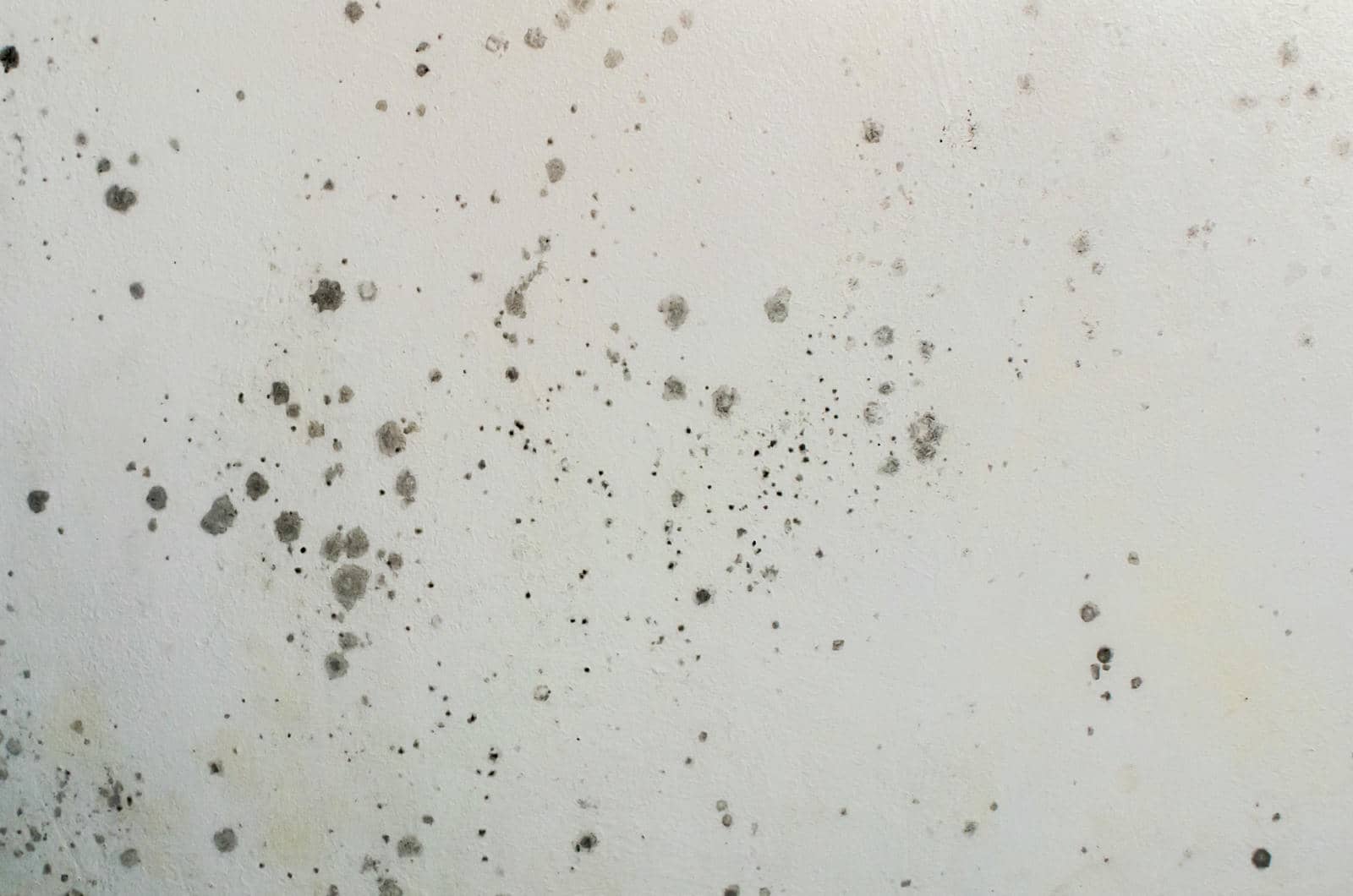
Look for visible signs of mold in damp areas, such as basements, bathrooms, and around leaks. Don’t ignore hidden spots; mold can thrive behind walls and under carpets.
Once you’ve located the mold, determine its size. Small patches may be manageable, but larger infestations often require professional help. Pay attention to the materials affected—some porous materials might need replacement, while others can be cleaned.
Additionally, consider the potential health risks associated with mold exposure, like respiratory issues and allergies.
Understanding the extent and type of mold will help you decide on the best removal strategy and ensure you’re taking the necessary steps to protect your health and well-being.
Safety Precautions Before Starting
Before you start removing black mold, it’s essential to prioritize safety.
You’ll need to use personal protective equipment, ensure proper ventilation, and implement containment measures to prevent further spread.
Taking these precautions can protect your health and make the removal process more effective.
Personal Protective Equipment
When tackling black mold removal, wearing the right personal protective equipment (PPE) is essential for your safety.
Start with an N95 respirator or a higher-level mask to protect yourself from mold exposure, which can lead to serious health risks like respiratory issues and allergic reactions. Additionally, wear goggles to shield your eyes from spores and skin irritation.
It’s also wise to don long sleeves, gloves, and protective clothing to prevent direct contact with mold. Since mold can spread easily, consider using disposable gear to minimize the risk of cross-contamination.
Proper Ventilation Techniques
Ensuring proper ventilation is essential for a safe mold removal process. Adequate air circulation helps prevent mold spores from spreading to other areas and minimizes health risks. Before you start, assess your ventilation systems. Open windows and doors to create a cross breeze, and consider using fans to enhance air movement.
| Step | Action | Purpose |
|---|---|---|
| Assess Ventilation | Inspect existing systems | Identify needs for improvement |
| Open Windows | Increase airflow | Promote air circulation |
| Use Fans | Direct airflow | Prevent spore dispersion |
Containment Measures Needed
To effectively manage mold removal, you must implement containment measures that minimize exposure and prevent the further spread of spores.
Start by establishing area isolation; use plastic sheeting to seal off the affected space. This barrier helps contain mold spores and protects other areas of your home.
Make sure you wear appropriate personal protective equipment, such as gloves, goggles, and masks, to safeguard your health.
Additionally, use air purifiers with HEPA filters in the containment zone to capture airborne spores.
Remember to keep doors and windows closed during the process to maintain isolation.
Gathering Necessary Tools and Materials
Before you start removing black mold, it’s vital to gather all necessary tools and materials.
You’ll need essential cleaning supplies, such as bleach or vinegar, as well as protective gear, including gloves and a mask, to ensure your safety during the process.
Having everything ready will streamline your efforts and help you tackle the mold effectively.
Essential Cleaning Supplies
Gathering the right cleaning supplies is essential for effectively removing black mold from your home. Start by selecting powerful cleaning solutions, like a mixture of vinegar and water or commercial mold removers. These will help break down the mold’s structure.
Don’t forget to include mold inhibitors in your arsenal, as they’ll prevent future growth after you’ve cleaned the affected areas. You’ll also need scrub brushes, sponges, and cloths for application and removal.
A bucket for mixing solutions and a spray bottle for easy application can streamline your process. By ensuring you have these supplies on hand, you’ll set yourself up for success in tackling black mold and restoring your living space to a safe, healthy environment.
Protective Gear Required
Since dealing with black mold can pose serious health risks, it’s crucial to equip yourself with the right protective gear before you start the cleanup process.
Prioritize mold safety by wearing an N95 respirator to filter airborne spores and protect your lungs. Use safety goggles to shield your eyes from irritants, and don’t forget to wear heavy-duty gloves to prevent skin contact with harmful substances.
Consider disposable coveralls for added protection against mold exposure. When selecting your gear options, confirm they fit well and are comfortable enough for prolonged use.
Cleaning and Disinfecting Affected Areas
To effectively tackle black mold, you need to clean and disinfect the affected areas thoroughly. Start by identifying the moldy surfaces and gathering your cleaning supplies. Utilize effective cleaning techniques like scrubbing with a brush and applying disinfecting solutions such as diluted bleach or vinegar. Always follow the manufacturer’s instructions for any products you use.
Here’s a handy table to help you choose the right cleaning approach:
| Surface Type | Cleaning Technique | Disinfecting Solution |
|---|---|---|
| Wood | Scrub with a brush | 1 cup bleach to 1 gallon water |
| Drywall | Wipe with a cloth | 1 part vinegar to 1 part water |
| Fabric | Vacuum and wash | Commercial mold remover |
Ensure you wear protective gear during the process. By consistently applying these methods, you’ll create a safer environment for yourself and your loved ones.
Removing and Replacing Damaged Materials
Once you’ve cleaned the affected areas, it’s vital to remove and replace any materials that show significant damage from black mold.
Begin by identifying items like drywall, insulation, or carpeting that are beyond salvaging. Use proper removal techniques; for instance, cut out contaminated drywall in large sections to prevent mold spores from spreading. Always wear protective gear during this process to safeguard your health.
After removal, make sure you dispose of the damaged materials in sealed bags to minimize exposure.
When it comes to material replacement, choose mold-resistant options whenever possible. This could include mold-resistant drywall or insulation that helps prevent future issues.
Secure the new materials properly, making sure of a tight fit to avoid moisture build-up.
Preventing Future Mold Growth
While removing black mold is essential, preventing its return is equally important. To keep your home free from mold, focus on using mold resistant materials and maintaining humidity control.
| Action | Description |
|---|---|
| Use Mold Resistant Materials | Opt for mold-resistant drywall and paints to inhibit growth. |
| Control Humidity | Keep indoor humidity levels below 60% using dehumidifiers. |
| Ensure Proper Ventilation | Use exhaust fans in bathrooms and kitchens to reduce moisture. |
| Regular Inspections | Check areas prone to dampness, like basements, routinely. |
| Address Leaks Promptly | Repair any plumbing or roof leaks immediately to prevent water accumulation. |
When to Seek Professional Help
Recognizing when to seek professional help for black mold removal can be vital, especially if the infestation is extensive or persistent.
Here are some key indicators that it’s time to call in the experts:
Visible Mold Growth: If you see large patches of mold, it’s a sign that professional remediation may be necessary.
Health Symptoms: If you or your family members experience respiratory issues, allergies, or other health problems, it’s important to get a mold inspection.
Structural Damage: If mold has infiltrated walls, ceilings, or flooring, it’s best to engage mold inspection services to assess the damage.
Inability to Control Growth: If you’ve tried DIY methods without success, professional remediation can provide a more effective solution.
Addressing mold issues promptly with the right expertise helps ensure a safe and healthy living environment.
Conclusion
Removing black mold after water damage is essential for your health and home. Think of mold like a stubborn weed; if you don’t uproot it completely, it’ll keep coming back. By following the steps outlined—from evaluating the growth to preventing future issues—you can reclaim your space. Just remember, tackling mold isn’t just about cleaning; it’s about creating a safe environment. If it feels overwhelming, don’t hesitate to call in the professionals to help restore your peace of mind.