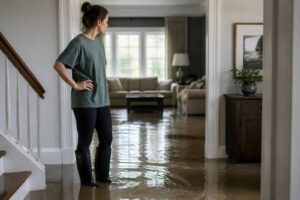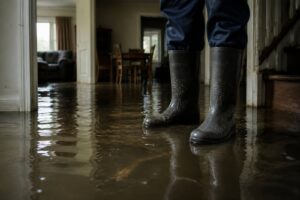

After hurricane flooding, it’s essential to evaluate your basement’s safety. You need to check for signs of water intrusion, structural damage, and mold growth, all of which can threaten your health and home. Before heading in, make sure you take necessary safety precautions. Understanding the steps to assess and address the damage can make a significant difference. What should you look for first?
Key Takeaways
- Assess for water intrusion signs like dampness, mold, and structural damage before entering the basement.
- Wear safety gear and check for gas or electrical hazards before entering the flooded area.
- Use submersible or sump pumps for water removal, ensuring a safe power source during extraction.
- Clean and disinfect all surfaces thoroughly to prevent mold growth after water removal.
- Consider hiring professionals for a comprehensive evaluation and effective restoration to ensure safety.
Assessing the Damage in Your Basement
After a hurricane, as you step into your basement, it’s essential to assess the damage carefully.
Begin your basement inspection by looking for signs of water intrusion, such as dampness on walls, floors, or ceilings. Take note of any mold growth or musty odors, as these can indicate prolonged moisture exposure.
Check for structural issues, like cracks in the foundation or warped beams, which could compromise the safety of your home.
Document your findings during the damage assessment, making a list of damaged items and areas. This record will help you when discussing repairs with professionals or submitting insurance claims.
It’s important to approach this task methodically, ensuring you don’t overlook hidden problems.
Safety Precautions to Take Before Entering
Before you enter your basement, it’s crucial to prioritize safety to protect yourself from potential hazards. Start by wearing appropriate safety gear, including gloves, boots, and a mask, to shield yourself from contaminants or sharp objects.
Check for structural damage before stepping inside; look for cracks or signs of instability. If you smell gas or detect electrical issues, don’t enter—call a professional immediately.
Prepare an emergency kit that includes a flashlight, batteries, a first aid kit, and bottled water. This kit ensures you’re ready for any surprises you might encounter while evaluating your basement.
Additionally, make sure someone knows your plans and can check on you if needed. Taking these precautions can make a significant difference in safeguarding your safety during this challenging time.
Water Removal Techniques and Equipment
After flooding, it’s essential to quickly remove water from your basement to prevent further damage.
You’ll want to contemplate effective pumping methods, use dehumidifiers, and take steps to prevent mold growth.
Understanding these techniques and equipment can help you restore your space safely and efficiently.
Effective Pumping Methods
When flooding occurs in your basement, employing effective pumping methods is essential to minimize damage and restore safety.
Start by selecting the right equipment, such as submersible pumps or sump pumps, which are designed for efficient water extraction.
Understand various pumping techniques, like using multiple pumps simultaneously for faster results or setting up a secondary pump for backup.
Always ensure your power source is safe and secure, avoiding any electrical hazards.
If the water level is low, consider using wet/dry vacuums for final cleanup.
Remember to prioritize safety—wear protective gear, and avoid wading into deep water.
Dehumidification Strategies
While flooding can leave your basement damp and hazardous, implementing effective dehumidification strategies is crucial for restoring a safe environment.
Start by evaluating your moisture levels; a hygrometer can help you determine the extent of the issue. Next, consider dehumidifier options that suit your space and needs. Portable dehumidifiers can efficiently remove moisture, while whole-home systems offer thorough control.
Remember to regularly empty the water reservoir or connect a drain line for continuous operation. Additionally, improve airflow by using fans and opening windows when the weather permits.
Mold Prevention Techniques
To prevent mold growth in your basement following a flood, you need to act quickly and effectively. Start by removing standing water using pumps or wet vacuums.
Once the water’s gone, use fans and dehumidifiers for thorough drying. Ascertain that your basement maintains humidity control, ideally below 60%.
Consider using mold-resistant materials, such as special paints and drywall, to further protect your space. Regularly check for leaks or damp spots, and address them immediately.
You can also improve ventilation by opening windows or installing vents. By taking these steps, you create a safer environment for yourself and your family, fostering a sense of belonging and comfort in your home.
Don’t wait—act now to protect your basement from mold.
Cleaning and Disinfecting Your Basement
After a hurricane, your basement may be a breeding ground for mold and bacteria if not cleaned and disinfected promptly.
Start by removing any standing water and debris, using a wet vacuum or pump. Once the area is dry, gather your cleaning supplies—this includes gloves, masks, and buckets.
Use disinfectant solutions like bleach or hydrogen peroxide to wipe down surfaces. Be sure to follow the manufacturer’s instructions for dilution and application.
Focus on corners, walls, and any items that were submerged. Discard anything that can’t be thoroughly cleaned or is too damaged.
Ventilate the space by opening windows or using fans to help with drying and reducing odors.
Remember, taking these steps will protect your health and create a safer environment for your family.
Identifying and Addressing Mold Growth
As you inspect your basement for signs of mold growth, be vigilant for any discoloration, musty odors, or fuzzy patches on surfaces. Early mold identification is vital to protecting your home and health. If you notice any signs, it’s important to act quickly. Here’s a simple guide to help you assess the situation:
| Signs of Mold | Potential Risks | Recommended Action |
|---|---|---|
| Discoloration | Allergic reactions | Contact a mold remediation expert |
| Musty odors | Respiratory issues | Increase ventilation |
| Fuzzy patches | Structural damage | Clean affected areas carefully |
Addressing mold growth promptly can prevent further damage and safeguard your living space. Remember, if the problem seems extensive, it’s wise to consult professionals for effective mold remediation. Taking these steps can help ensure your basement remains safe and welcoming.
Structural Repairs and Assessments
While evaluating your basement after a hurricane, it’s vital to determine any structural damage that may have occurred due to flooding.
Evaluating your home’s foundation stability is essential to ensure safety and prevent further issues. Here are three key steps you should take:
Inspect for Cracks: Look for visible cracks in walls or floors, as they can signal underlying problems with your foundation.
Check for Water Damage: Examine wood beams and supports for signs of mold or rot, which can compromise structural integrity.
Hire a Professional: Consulting a structural engineer can help you understand the extent of damage and associated repair costs.
Addressing these concerns promptly safeguards your home and helps maintain a sense of community and belonging.
Preventative Measures for Future Flooding
To effectively reduce the risk of flooding in your basement during future hurricanes, it’s essential to implement several preventative measures.
Start by installing flood barriers around your property. These barriers can greatly keep water at bay, safeguarding your foundation.
Next, consider investing in a sump pump. This device helps to remove excess water that may accumulate in your basement, ensuring that it stays dry even during heavy rains. Make sure to test your sump pump regularly to confirm it’s functioning properly when you need it most.
Additionally, keep gutters and downspouts clear to direct rainwater away from your home.
Finally, evaluate your landscaping; sloping it away from your foundation can further divert water.
When to Call a Professional Restoration Service
If you notice significant water damage or flooding in your basement after a hurricane, it’s essential to call a professional restoration service promptly.
They can provide the expertise and tools necessary to ensure your home is safe and livable again.
Here are three key reasons to seek professional services:
Comprehensive Damage Evaluation: Professionals assess the extent of the water damage, identifying hidden issues that may not be immediately visible.
Mold Prevention: Quick intervention helps prevent mold growth, which can pose serious health risks to you and your family.
Safe Cleanup and Restoration: Professionals follow safety protocols to remove contaminated materials and restore your basement effectively, protecting your investment.
Don’t wait too long to act.
The sooner you reach out for help, the better your chances are of preventing further damage and ensuring your basement is safe after the storm.
Review
In the end, your basement might look like a water park after hurricane flooding, but that fun is far from safe. You’ve assessed the damage and taken precautions, yet neglecting mold and structural repairs can turn your dream home into a health hazard. It’s ironic how a little water can lead to big problems. Don’t underestimate the risks—if the damage is extensive, calling in professionals might just be the smartest decision you make for your home’s safety.