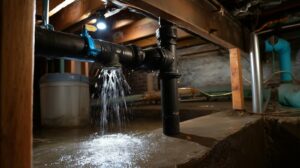
When a pipe bursts, every second counts in minimizing water damage. You need to act quickly to locate the leak and shut off the main water supply. This immediate response can save your property from extensive damage. But identifying the extent of the issue is vital too. Once you understand the situation, you’ll be better positioned to prevent mold and further deterioration. Let’s explore the essential steps you should take next.
Key Takeaways
- Turn off the main water supply immediately to prevent further flooding and minimize damage.
- Assess the extent of the damage by checking walls, floors, and hidden areas for moisture.
- Use towels and buckets to absorb excess water and protect flooring and belongings.
- Employ high-capacity fans and dehumidifiers to dry out affected areas effectively.
- Seek professional restoration services for extensive damage and assistance with insurance claims.
Act Quickly to Minimize Damage
When a pipe bursts, every moment counts, so you need to act quickly to minimize damage to your property. Start by evaluating the situation; locate the source of the leak and identify any affected areas.
Having preventive measures in place, like routine inspections and insulation, can help you avoid such crises in the future.
Ensure you have an emergency kit ready, stocked with essentials such as towels, a bucket, and a flashlight. These items can be critical in the initial response phase. If water is pooling, use towels to absorb as much as possible and prevent further damage to your flooring and belongings.
Don’t hesitate to reach out to friends or family for support during this stressful time. You’re not alone; many have faced similar challenges.
Turn Off the Water Supply
Turning off the water supply is essential in the aftermath of a burst pipe to prevent further flooding and damage.
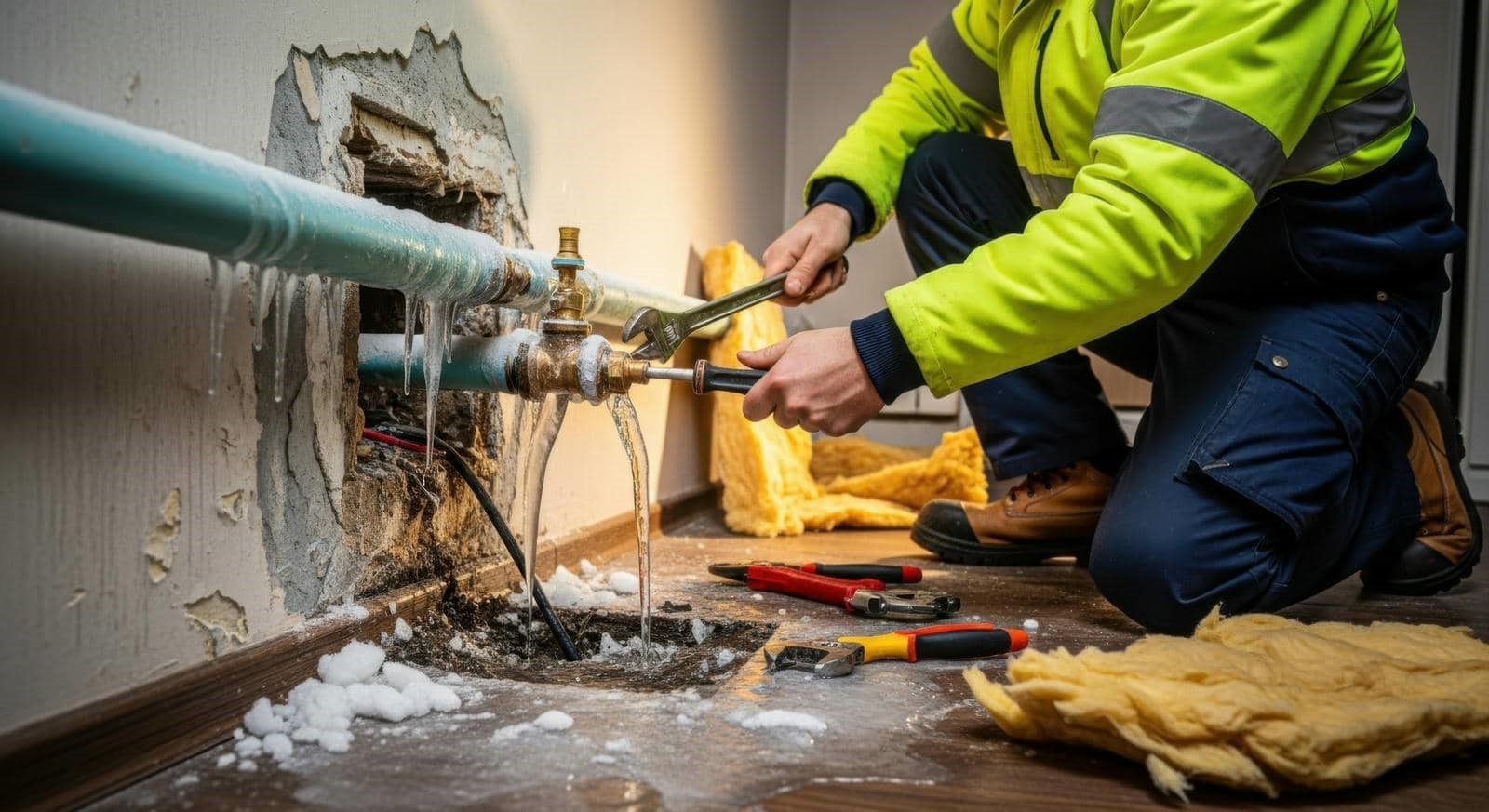
Locate your main water shutoff valve, usually found near your water meter or where the water line enters your home. Turn it clockwise to stop the flow of water immediately. This action is a vital step in emergency preparedness, ensuring that you minimize the extent of damage to your property.
If you’re unsure where the valve is, take a moment to familiarize yourself with it ahead of time. Knowing its location can save you stress during a crisis.
Remember, every second counts, and your quick response can limit water damage, protecting your home and belongings.
After securing the water supply, you can focus on the next steps in recovery, knowing you’ve taken the most vital initial action. Your efforts today can make all the difference in restoring your home tomorrow.
Assess the Extent of the Damage
With the water supply turned off, it’s time to assess the extent of the damage caused by the burst pipe.
Begin with a thorough damage assessment, focusing on affected areas like walls, floors, and ceilings. Look for visible signs of water saturation, such as discoloration, bubbling paint, or warped materials.
Conduct a visual inspection of furniture and personal items as well; they may require cleaning or disposal.
Don’t overlook hidden spaces—check under sinks and behind appliances where moisture might linger.
Document everything you find, taking photos to help with insurance claims.
Remember, you’re not alone in this; many have faced similar challenges and successfully recovered.
This process can be overwhelming, but taking these steps will provide clarity and direction in restoring your home.
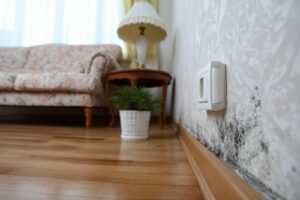
Prioritizing safety and health during this assessment is crucial, as mold can develop quickly in damp conditions.
Dry and Dehumidify Affected Areas
As soon as you’ve assessed the damage, it’s crucial to start drying and dehumidifying the affected areas to prevent further deterioration and mold growth.
Begin by using high-capacity fans to circulate air, focusing on areas with standing water. Adjust your dehumidifier settings to the recommended levels—ideally between 30-60% humidity—to effectively extract moisture from the air.
Utilize drying techniques such as placing absorbent towels and using wet/dry vacuums to remove excess water. Pay special attention to hard-to-reach spots, like under cabinets or behind appliances, where moisture can linger.
Monitor the progress regularly, as thorough drying may take several days. Your diligence in this step safeguards your home and contributes to a healthier environment for you and your loved ones.
Seek Professional Help for Restoration
When dealing with extensive water damage from a burst pipe, it’s often wise to seek professional help for restoration.
Restoration services specialize in evaluating the full scope of damage and employing the right techniques to mitigate further issues. They’ve the tools and expertise to remove water, dry affected areas, and repair structural damage effectively.
By opting for professionals, you can ensure that the restoration process is thorough and compliant with safety standards. Additionally, they can assist you in documenting damage for insurance claims, making the often stressful process smoother.
You’re not alone in this; many have faced similar challenges and found peace of mind through professional support.
Trusting experts in restoration helps you reclaim your space and fosters a sense of community through shared experiences of recovery.
Frequently Asked Questions
What Should I Keep in My Emergency Water Damage Kit?
You should keep emergency supplies like waterproof tarps, heavy-duty trash bags, a first aid kit, flashlights, batteries, a water pump, and cleaning supplies in your emergency water damage kit for effective flood cleanup and safety.
How Do I Document Water Damage for Insurance Claims?
When documenting water damage for your insurance claim, capture clear photos, note dates, and list affected items. Keep receipts for repairs and maintain detailed records; it’ll help you navigate the claims process smoothly.
Can I Use Fans to Dry Wet Areas?
Yes, you can use fans to dry wet areas. Proper fan placement enhances airflow, aiding drying techniques. Position fans to create cross-ventilation, helping moisture evaporate efficiently and restoring your space more quickly.
What Are Common Signs of Mold Growth After Water Damage?
You’ll often notice a musty smell, discoloration on surfaces, or fuzzy patches—these are signs of mold growth. Mold identification is essential, as it can pose serious health risks. Don’t ignore these warning signs; act quickly.
Will My Homeowner’s Insurance Cover Burst Pipe Damage?
Your homeowner’s insurance policy often covers burst pipe damage, but check your coverage limits. It’s essential to understand the specifics of your policy, as exclusions or limits could affect your claim and financial recovery.
Final Thoughts
When a burst pipe strikes, every second counts. You’ve turned off the water, assessed the damage, and dried the area, but what if hidden issues lurk behind the walls? Mold can begin to grow in just 24 hours, threatening your home and your health. Don’t wait too long to seek professional help. The right experts can uncover unseen damage, ensuring your recovery is thorough. Will you act now, or risk facing the consequences later?