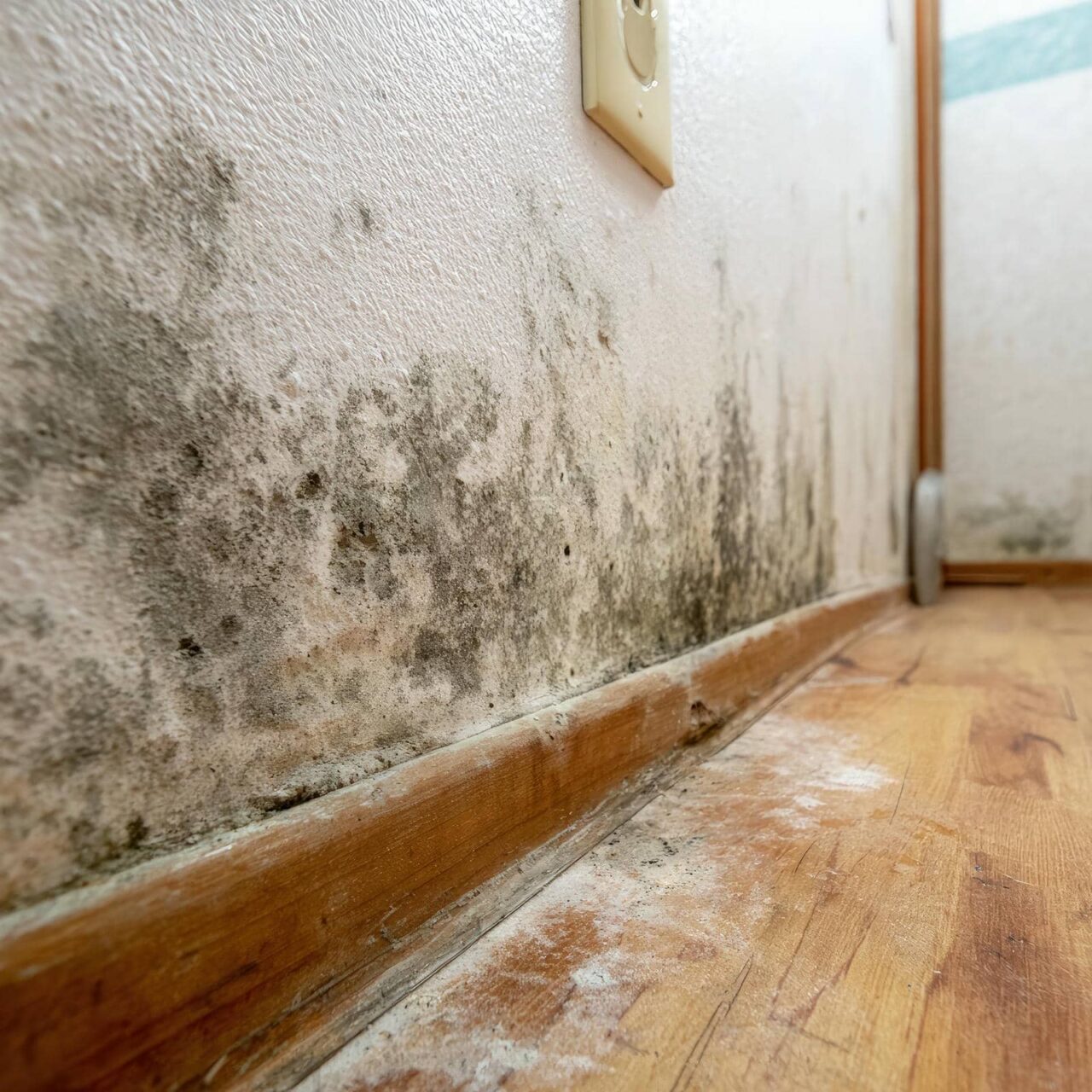
Black mold cleanup can feel like battling a relentless foe. It’s vital to tackle the situation methodically to ensure your safety and the effectiveness of your efforts. You need to assess the extent of the mold growth and understand the right tools and techniques for removal. Are you prepared to face this challenge head-on? Let’s explore the essential tips that can help you reclaim your space and protect your health.
Key Takeaways
- Assess the extent of black mold growth by inspecting damp areas and using a moisture meter to identify hidden moisture.
- Wear appropriate personal protective equipment, including disposable nitrile gloves, an N95 respirator, and goggles to prevent exposure.
- Contain the affected area by sealing it with plastic sheeting and using an air scrubber to capture airborne spores.
- Use EPA-approved fungicides for large infestations; for small areas, clean with water and detergent while scrubbing surfaces thoroughly.
- Prevent future mold growth by maintaining indoor humidity below 60% and regularly inspecting moisture-prone areas.
Assess the Extent of the Mold Growth
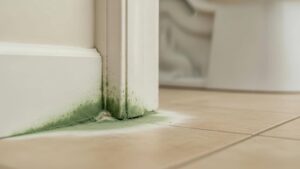
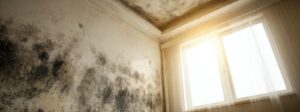
How can you effectively assess the extent of mold growth in your home? Start by identifying visible mold types, such as black mold or Aspergillus, commonly found in damp areas.
Check areas like basements, bathrooms, and behind walls for discoloration or a musty odor. Use a moisture meter to detect hidden moisture, as mold thrives in damp conditions.
Next, consider the health effects associated with mold exposure, ranging from allergic reactions to serious respiratory issues. If you or your family members experience symptoms like sneezing, coughing, or skin irritation, it’s essential to address the situation promptly.
Document your findings with photos and take notes on affected areas. This information will guide your cleanup efforts and help you communicate effectively with professionals if needed.
Use Appropriate Personal Protective Equipment
Once you’ve assessed the extent of mold growth in your home, prioritizing safety during cleanup is essential.
Start by selecting the right gloves; disposable nitrile gloves are a solid choice as they offer protection against mold spores and cleaning agents. Avoid latex gloves, as many people can have allergic reactions to them.
Next, consider mask types. A simple dust mask won’t suffice; opt for an N95 respirator, which filters out at least 95% of airborne particles, including mold spores. If the mold growth is extensive, you might need a respirator with a higher protection level, such as a P100.
Lastly, wear goggles to protect your eyes from irritants.
Contain the Affected Area
To effectively mitigate the spread of mold spores during cleanup, it’s vital to contain the affected area.
Begin by sealing off the space to prevent spores from escaping into other rooms. Use plastic sheeting to cover doorways and vents, securing the edges with tape. This containment strategy creates a barrier, minimizing cross-contamination.
Next, ensure proper ventilation in the area by using exhaust fans and directing airflow outside. This step not only helps to keep the air clean but also lowers humidity, which can exacerbate mold growth.
Additionally, consider using an air scrubber equipped with HEPA filters to capture airborne mold spores during the cleanup process. This approach not only enhances the effectiveness of your containment strategies but also promotes a safer environment for everyone involved.
Choose the Right Cleanup Method
After containing the affected area, choosing the right cleanup method is essential to effectively removing black mold. Start by selecting appropriate cleanup techniques based on the extent of the infestation. For small areas, you might use a mixture of water and detergent, but for larger infestations, consider specialized removal products designed to tackle mold.
Look for EPA-approved fungicides or mold removers, confirming they’re safe for indoor use. When applying these products, always follow the manufacturer’s instructions for best results. Use protective gear, like gloves and masks, to safeguard your health during the process.
Remember, scrubbing surfaces with a brush can help dislodge mold, but verify you’re disposing of contaminated materials properly. After cleanup, ventilate the area to aid drying and reduce moisture, which is vital in preventing mold from returning.
Prevent Future Mold Growth
While you’ve successfully removed black mold, your focus should now shift to preventing its return. Start by implementing humidity control measures; keeping indoor humidity below 60% can greatly reduce mold growth.
Use dehumidifiers in damp areas and ensure proper ventilation, especially in kitchens and bathrooms.
In addition, consider using mold-resistant materials in your home. These materials, such as mold-resistant drywall and paints, create a less hospitable environment for mold to thrive.
Regularly inspect areas prone to moisture, like basements and crawl spaces, to catch any issues early.
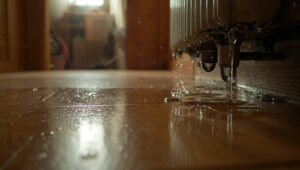
Lastly, maintain a clean environment by promptly addressing leaks and spills. Regular cleaning with mold-inhibiting solutions can also help keep potential spores at bay.
Frequently Asked Questions
How Can I Tell if Mold Is Toxic?
You can identify toxic mold by using mold identification techniques like visual inspection and air sampling. If you notice respiratory issues or skin irritation, it’s essential to assess potential health effects and seek professional help.
Is It Safe to Stay in the House During Cleanup?
It’s not safe to stay in the house during cleanup. You should follow safety precautions, such as wearing protective gear, and ensure proper ventilation during cleanup procedures to minimize health risks associated with mold exposure.
What Should I Do With Contaminated Items?
You’ve gotta act fast with contaminated clothing! Dispose of items securely in sealed bags, then follow local disposal methods. Don’t risk your health—ensure everything’s gone to keep your space safe and mold-free for good!
How Long Does It Take to Fully Remove Mold?
The mold removal timeline varies, but you can expect the mold cleanup process to take anywhere from a few hours to several days, depending on the extent of the infestation and affected areas.
Can I Use Bleach to Clean Mold?
When it comes to mold removal, using bleach isn’t a silver bullet. While it can kill surface mold, it doesn’t penetrate porous materials effectively. Consider specialized products for thorough and lasting mold remediation instead.
Wrap-Up
In the battle against black mold, every step counts. By evaluating the growth, donning protective gear, containing the area, choosing the right cleanup method, and preventing future infestations, you’re not just cleaning; you’re reclaiming your space and health. Remember, a mold-free environment isn’t just a dream—it’s a necessity for your well-being. Don’t let mold win; take action today and ensure your home remains a safe haven.