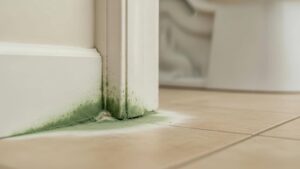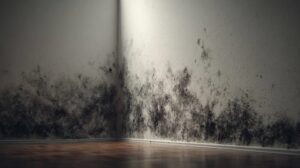
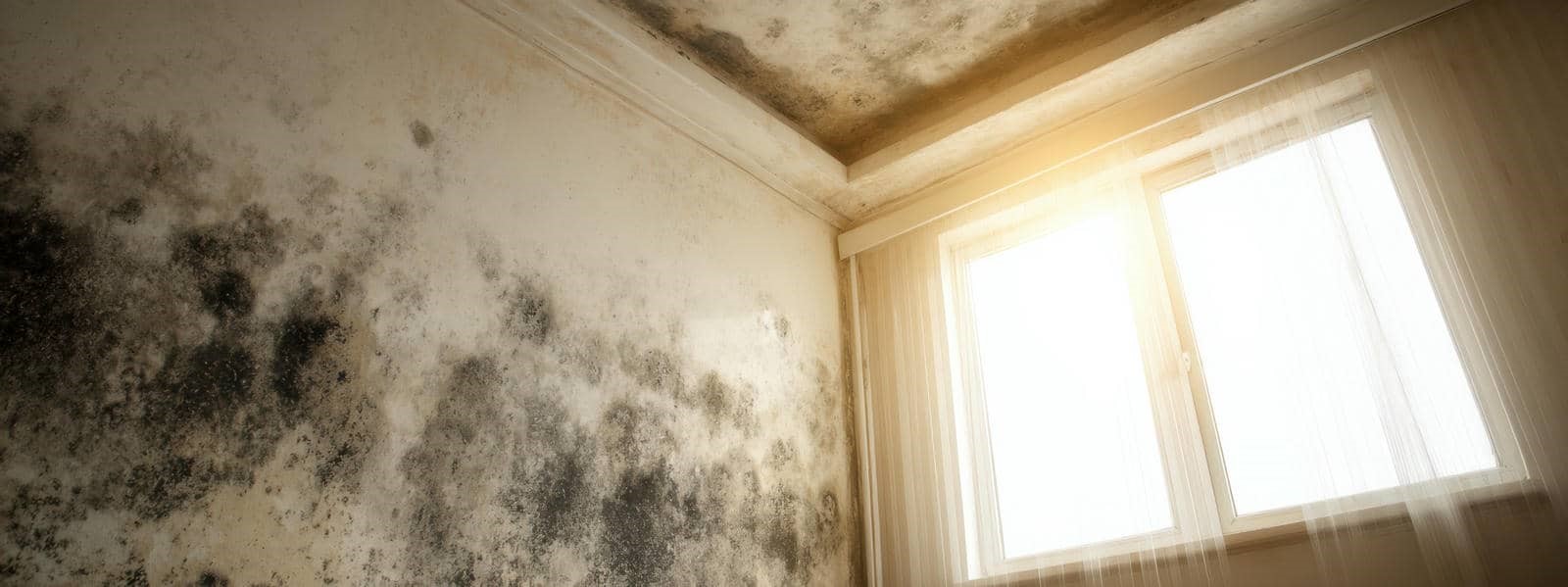
When dealing with black mold, understanding the best methods for removal is essential. You need to start by identifying moisture sources that encourage growth. Protecting yourself during the cleanup process is equally important, as mold spores can be harmful. By preparing the right cleaning solution and scrubbing the affected areas, you can eliminate the problem. However, what happens after the initial removal? The key lies in prevention, which we’ll explore next.
Key Takeaways
- Identify and fix moisture sources, such as leaky pipes and poor ventilation, to prevent black mold growth.
- Use protective gear, including gloves, goggles, and masks, to safely handle mold and cleaning agents.
- Prepare an effective cleaning solution with a vinegar and water mix or a bleach solution for mold removal.
- Scrub affected areas thoroughly with a stiff brush, ensuring complete coverage, and rinse afterward to remove residue.
- Improve ventilation and maintain indoor humidity levels between 30% and 60% to prevent future mold growth.
Identify the Source of Moisture
Before you can effectively tackle black mold removal, you must first identify the source of moisture that’s feeding it.
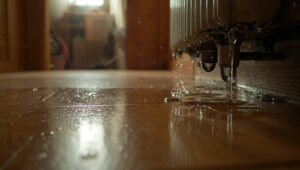
Start by examining your home for common moisture sources, like leaky pipes, damp basements, or poorly ventilated areas. These are often where mold thrives. Check for any visible water damage, as this can indicate problematic areas needing attention.
Next, evaluate your home’s humidity control measures. Ideally, indoor humidity should remain between 30-60%.
Use a hygrometer to monitor levels, and consider dehumidifiers if necessary. Keeping humidity in check helps prevent mold growth and promotes overall comfort in your living space.
Use Protective Gear
Once you’ve pinpointed the source of moisture that’s allowing black mold to flourish, it’s time to prioritize your safety by using protective gear.
Wearing protective gloves is essential, as they shield your skin from mold spores and harmful chemicals you might encounter during the removal process. Choose gloves made from materials like rubber or nitrile, which can provide maximum protection and grip.
In addition to gloves, don’t forget to wear safety goggles. These will protect your eyes from mold particles and any cleaning solutions that may splash during your cleanup efforts.
Prepare a Cleaning Solution
To effectively tackle black mold, you’ll need to prepare a potent cleaning solution that can eliminate the spores and prevent future growth.
Start by selecting appropriate cleaning agents, such as a mixture of vinegar and water or a commercial mold remover. If you opt for vinegar, a common ratio is one part vinegar to one part water. For bleach, the ideal solution ratio is one cup of bleach per gallon of water.
When mixing, make certain you’re in a well-ventilated area, and avoid combining different cleaning agents, as this can create harmful fumes.
The chosen solution should be strong enough to penetrate the mold but safe for the surfaces you’re treating. Remember, the effectiveness of your cleaning solution is critical, so always measure accurately to achieve the right balance.
Preparing a reliable solution sets the stage for successful mold removal and a healthier living environment.
Scrub and Remove Mold
Scrub the affected areas with your prepared cleaning solution to effectively remove black mold. Use a stiff brush to apply the solution, ensuring you reach all crevices and surfaces where mold may reside.
Effective scrubbing is essential; it dislodges mold spores from surfaces, making the removal process more efficient. As you scrub, keep an eye on the surface’s condition. If the mold is stubborn, consider using specialized mold removal techniques, such as a combination of vinegar and baking soda, to enhance your efforts.
Always wear protective gear, including gloves and a mask, to safeguard yourself from exposure during this process. After scrubbing, rinse the area thoroughly with water to eliminate any residue.
This hands-on approach helps you remove the mold and fosters a sense of accomplishment and belonging to a community of proactive homeowners tackling similar challenges.
Prevent Future Mold Growth
After removing black mold, taking steps to prevent its return is vital for maintaining a healthy environment. One of the most effective strategies is improving your ventilation systems.
Make sure that areas like bathrooms and kitchens are well-ventilated, allowing moist air to escape. You might consider installing exhaust fans that actively remove humidity during cooking or bathing.
Humidity control is another important element. Aim to keep indoor humidity levels between 30% and 60%.
Using dehumidifiers in damp areas can greatly reduce the likelihood of mold regrowth. Regularly check for leaks in plumbing and roofs, as these can contribute to increased moisture levels.
Lastly, conduct routine inspections of your home, especially in hidden areas like attics or basements.
Frequently Asked Questions
Can I Use Bleach for Black Mold Removal?
You can use bleach for black mold removal, but its effectiveness is limited. Consider mold removal alternatives like vinegar or hydrogen peroxide, which penetrate better and may prevent regrowth, ensuring a safer, more thorough solution.
How Long Does It Take to Remove Black Mold?
Removing black mold can take several days to weeks, depending on the extent of mold growth and your removal method. A clear removal timeline helps you manage expectations and ensures thorough treatment for a healthier environment.
Is Black Mold Harmful to Pets?
Yes, black mold can harm pets. The black mold effects include respiratory issues and allergic reactions, impacting their health. Ensuring pet safety involves monitoring their environment and addressing mold problems promptly to protect their well-being.
What Are the Health Symptoms of Mold Exposure?
You might experience mold allergy symptoms like sneezing, coughing, or itchy eyes. If you’re exposed, serious respiratory issues could develop, making it essential to recognize these signs and seek help before they escalate.
Should I Hire a Professional or DIY?
You should weigh the cost analysis of hiring a professional versus DIY. Consider equipment requirements; professionals have specialized tools, while DIY might require significant investment in safety gear and cleaning supplies. Choose what fits your needs best.
Conclusion
In tackling black mold, remember that “an ounce of prevention is worth a pound of cure.” By identifying moisture sources, using protective gear, and employing effective cleaning solutions, you can eliminate mold effectively. Scrubbing the affected areas is essential, but don’t stop there—implementing preventive measures like improving ventilation will help keep mold at bay. Regular inspections of hidden spaces ensure you stay ahead of potential issues, safeguarding your home in the long term.