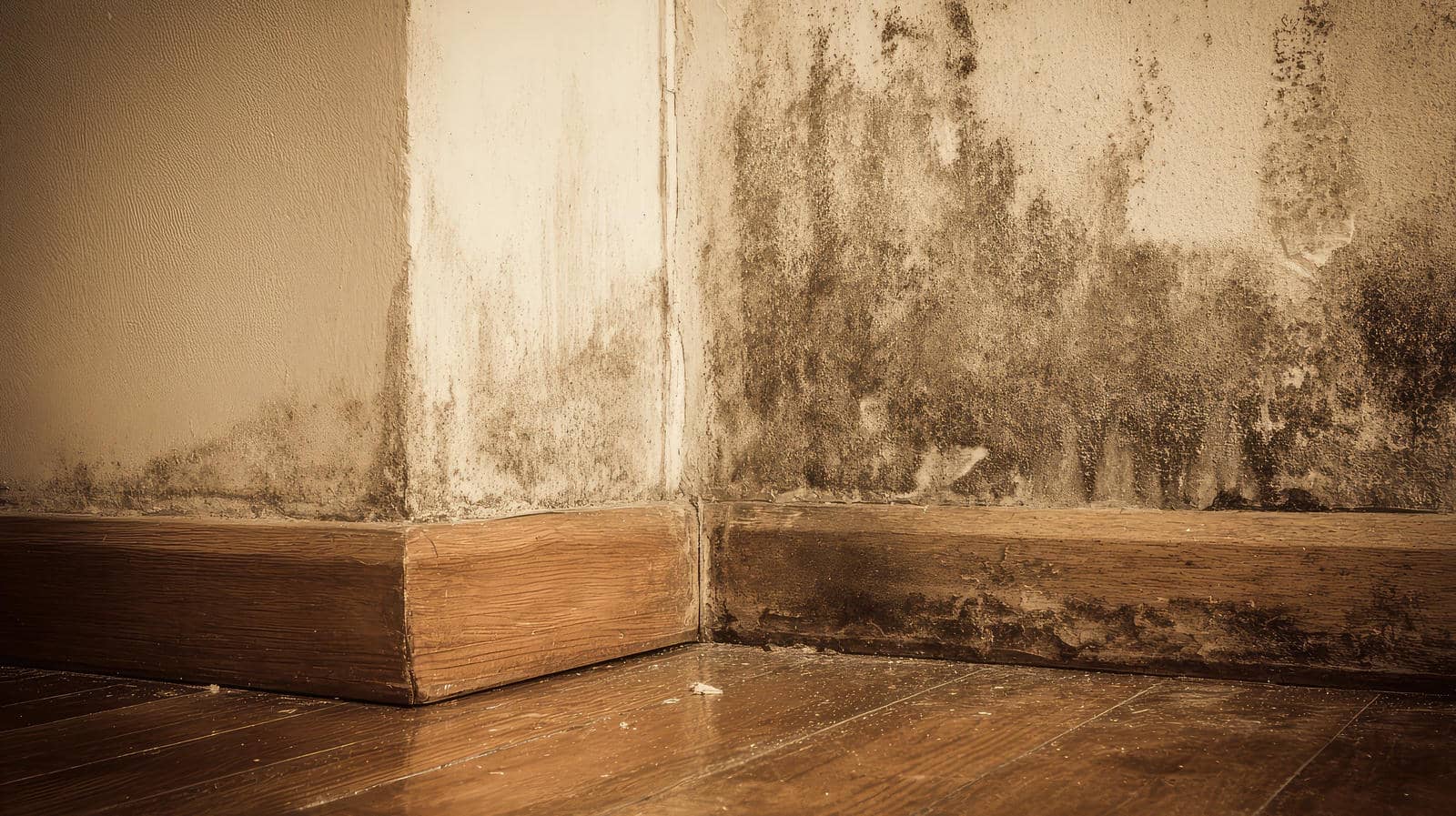
After flooding, you’re faced with the immediate threat of mold, which can pose serious health risks. It’s crucial to act quickly and effectively to mitigate this issue. By evaluating the affected area, employing proper cleaning techniques, and taking steps to prevent future growth, you can protect your home and health. But what specific actions should you take to ensure thorough remediation? Let’s explore these essential tips further.
Key Takeaways
- Conduct a thorough mold assessment to identify affected areas, using moisture meters to detect hidden dampness after flooding.
- Ensure proper ventilation by using exhaust fans and opening windows to minimize dust and maintain air quality during remediation.
- Wear protective gear, including masks, gloves, and goggles, to safeguard against mold spores while cleaning and disinfecting.
- Use appropriate cleaning solutions, such as soap and water or EPA-approved disinfectants, to effectively remove mold from surfaces.
- Implement moisture control strategies, such as fixing leaks and using dehumidifiers, to prevent future mold growth in the affected area.
Assessing and Containing the Affected Area
When you begin the mold remediation process, evaluating and containing the affected area is vital to prevent further contamination.
Start with a thorough mold assessment to identify the extent of the problem. Check walls, ceilings, and hidden spaces for visible mold and moisture. Use moisture meters to detect dampness that may not be immediately visible.
Once you’ve assessed the area, focus on area containment. Seal off the affected zone using plastic sheeting to prevent spores from spreading.
Make certain that proper ventilation is maintained to minimize dust and airborne particles. It’s imperative to wear protective gear, including masks and gloves, to safeguard your health during this process.
Proper Cleaning and Disinfection Techniques
After containing the affected area, you’ll need to focus on proper cleaning and disinfection techniques to effectively remove mold and prevent its return.
Start by choosing appropriate cleaning solutions, like soap and water, or a mixture of vinegar and water for non-porous surfaces. For more severe infestations, consider commercial mold removers designed specifically for this purpose.
Once you’ve cleaned the surfaces, it’s essential to use effective disinfectant methods. Look for EPA-approved disinfectants that can kill mold spores and bacteria.
Apply the disinfectant according to the manufacturer’s instructions, ensuring it remains on the surface for the recommended dwell time to maximize efficacy.
Always wear protective gear, such as gloves and masks, during the process to safeguard your health.
Preventing Future Mold Growth
To effectively prevent future mold growth, it’s vital to control moisture levels in your home. Start by addressing any leaks or water damage immediately; stagnant water is a breeding ground for mold.
Invest in mold-resistant materials, such as drywall and paint, especially in areas prone to dampness, like bathrooms and basements.
Implement humidity control strategies, using dehumidifiers to maintain indoor humidity levels between 30-60%. This not only discourages mold growth but also creates a more comfortable living environment.
Regularly check and clean gutters, confirming water flows away from your home’s foundation.
Additionally, ensure proper ventilation in high-moisture areas by using exhaust fans or opening windows.
By taking these proactive steps, you create a healthier home for yourself and your loved ones, fostering a sense of safety and belonging.
Frequently Asked Questions
How Long Does It Take for Mold to Grow After Flooding?
Mold can start growing within 24 to 48 hours after flooding. Understanding the mold growth timeline is essential for effective flood damage recovery, so you can act quickly and prevent further issues in your space.
What Personal Protective Equipment Is Necessary During Mold Remediation?
During mold remediation, you need protective gear such as gloves, masks, and goggles to ensure safety. Following established safety protocols minimizes health risks, fostering a secure environment while you tackle mold issues effectively and responsibly.
Can I Use Bleach to Kill Mold Effectively?
Using bleach for mold removal is like using a flashlight in a fog; it may seem effective, but it often only masks the problem. For lasting results, consider alternative solutions that truly eliminate mold.
Should I Throw Away All My Wet Belongings?
You shouldn’t throw away all your wet belongings immediately. Assess each item carefully; some might be salvageable. Prioritize items that hold sentimental value or can be thoroughly cleaned and dried to prevent mold growth.
When Should I Call a Professional Mold Remediation Service?
You should call a professional mold remediation service when you notice visible mold, experience health risks, or need a thorough mold assessment. Addressing these issues promptly can prevent further damage and protect your belongings.
Conclusion
If you want your home to resemble a science experiment gone wrong, just ignore these mold remediation tips. But if you prefer a space free from the charming ambiance of mold spores, act swiftly. Assess your area, clean like a germaphobe on a mission, and prevent future outbreaks as if you’re warding off an army of tiny invaders. Remember, a mold-free home is a happy home, not a petri dish ready to host the next big fungal hit!