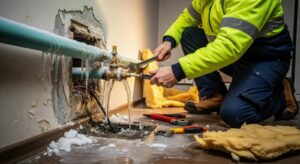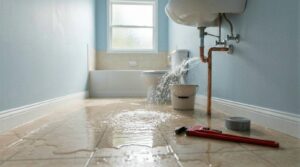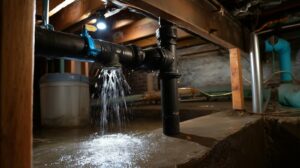

Burst pipes can lead to significant water damage and costly repairs. By taking proactive measures, you can protect your home from these risks. It’s crucial to understand the key strategies to prevent such incidents, including proper insulation and monitoring your plumbing system. Implementing these tips can save you time and money. Let’s explore the most effective methods to keep your plumbing safe and secure.
Key Takeaways
- Insulate exposed pipes in unconditioned spaces to prevent freezing and potential bursts during cold weather.
- Allow a slow drip from faucets connected to vulnerable pipes to keep water flowing and reduce ice formation.
- Seal cracks and openings around windows, doors, and where pipes enter walls to enhance insulation and prevent heat loss.
- Monitor water pressure regularly, maintaining levels between 40 to 60 psi to avoid stress on pipes.
- Schedule professional plumbing inspections to identify vulnerabilities and address issues before they lead to burst pipes.
Insulate Exposed Pipes
One effective way to prevent burst pipe water damage is to insulate exposed pipes. By using appropriate pipe insulation materials, you can greatly reduce the risk of freezing during cold weather. Foam, fiberglass, or rubber insulation effectively keeps the temperature stable around your pipes, protecting them from harsh temperature fluctuations.
Start by identifying all exposed pipes in unconditioned spaces such as basements, attics, and crawl spaces. Measure their diameter and select insulation that fits snugly around them. When applying the insulation, confirm it’s tightly secured to avoid gaps where cold air can penetrate.
Don’t forget to insulate the pipes themselves and any fittings or valves.
Maintain Consistent Heating
To prevent burst pipes, it’s essential to maintain consistent heating throughout your home.
Make sure to properly insulate pipes, especially in unheated areas, and regularly monitor your thermostat settings to avoid temperature fluctuations.
Keeping your environment at a stable temperature can greatly reduce the risk of freezing.
Insulate Pipes Properly
Proper insulation of your pipes is essential for maintaining consistent heating and preventing burst pipe water damage.
Start by exploring various pipe insulation techniques, such as foam sleeves, fiberglass wraps, and heat tape. Each method has its advantages based on your specific needs and the environment. An insulation materials guide can help you choose the right option, considering factors like pipe location and temperature fluctuations.
Pay special attention to unheated areas, such as basements and attics, where pipes are most vulnerable. Make sure that all joints and fittings are also insulated to maximize effectiveness.
Monitor Thermostat Settings
Maintaining consistent heating in your home is essential for preventing burst pipe water damage, especially in colder months. To achieve this, make certain your thermostat is properly calibrated.
A well-calibrated thermostat maintains a stable temperature and enhances energy efficiency, which ultimately saves you money on heating bills. Regularly check your thermostat settings, and consider investing in a programmable model that adjusts temperatures automatically based on your schedule.
This helps prevent sudden drops in temperature that can lead to pipe freezing. Additionally, avoid setting your thermostat too low when you’re away.
Allow Faucet Drip in Freezing Weather
When temperatures drop and freezing weather sets in, allowing a faucet to drip can be a simple yet effective measure to prevent pipes from bursting. This practice promotes water movement, reducing the likelihood of ice forming inside your pipes.
As part of your winter preparation, here are three essential faucet maintenance tips:
Select the Right Faucet: Choose faucets connected to pipes that are most susceptible to freezing, like those in unheated areas of your home.
Adjust the Drip Rate: A consistent drip, about one drop per second, is sufficient to keep water flowing and prevent freezing.
Monitor Water Use: Keep an eye on your water bill during winter months to verify that the dripping isn’t excessive, allowing you to make adjustments if needed.
Seal Cracks and Openings
Sealing cracks and openings in your home is essential for preventing pipe bursts during frigid temperatures. Start with a thorough opening inspection, checking areas around windows, doors, and foundations. Small gaps may seem insignificant, but they can let cold air in, increasing the risk of frozen pipes.
For effective crack sealing, use high-quality caulk or foam insulation. Pay special attention to areas where pipes enter walls, as these are common weak points. Make sure you fill all visible cracks and openings, as even tiny gaps can contribute to significant heat loss.
Don’t forget to check your attic and basement as well; these areas are often overlooked but can harbor dangerous drafts.
Regular inspections and maintenance will protect your plumbing and enhance your home’s energy efficiency. Taking these proactive steps fosters a sense of belonging and security in your living space, ensuring comfort for you and your family.
Monitor Water Pressure
Monitoring water pressure is essential for preventing burst pipes.
Ideally, your water pressure should range between 40 and 60 psi; anything above this can cause stress on your plumbing.
Look for signs of high pressure, such as frequent leaks or unusual noises, and adjust your pressure regulator if necessary.
Ideal Water Pressure Range
Maintaining an ideal water pressure range is essential for preventing burst pipes and subsequent water damage in your home. The ideal pressure typically falls between 40 and 60 psi (pounds per square inch).
To ensure your system operates within this range, consider the following:
Install Pressure Gauges: Regularly check your water pressure using reliable pressure gauges. This allows you to monitor fluctuations effectively.
Adjust Your Pressure Regulator: If your system exceeds the ideal pressure, adjust the pressure regulator to maintain stability.
Perform Routine Inspections: Schedule periodic plumbing inspections to identify potential issues before they escalate.
Signs of High Pressure
How can you tell if your water pressure is too high? Start by installing a pressure gauge on your main water line.
Ideally, your water pressure should be between 40 and 60 psi. If your readings exceed this range, it’s a warning sign that you might face plumbing issues.
You may also notice symptoms like frequent dripping faucets, running toilets, or noisy pipes, which can indicate excessive pressure. High water pressure can lead to burst pipes and costly damage.
Adjusting Pressure Regulators
Adjusting pressure regulators is vital for keeping your water pressure within a safe range. High pressure can lead to burst pipes and costly damage, so regular monitoring is essential.
Here are three steps to ensure effective regulator maintenance:
- Check Pressure Gauges: Regularly inspect your pressure gauges to identify any spikes or fluctuations in pressure. Aim for a consistent reading within the recommended range, usually between 40 and
60 psi.
Adjust the Regulator: If you notice high pressure, adjust the regulator according to the manufacturer’s specifications. This adjustment helps maintain ideal flow and reduces stress on your plumbing system.
Schedule Professional Maintenance: Consider having a plumbing professional inspect your system annually. This proactive approach ensures that your pressure regulators function properly, preventing future issues.
Regularly Inspect for Leaks
Although you mightn’t notice them right away, leaks can develop in your plumbing system over time, leading to significant water damage if left unchecked. Regular inspections for leaks are essential to maintaining a healthy home environment.
Start by conducting thorough leak detection assessments in areas prone to moisture, such as under sinks, around toilets, and near appliances. Use moisture monitoring tools to identify hidden leaks that could escalate into costly repairs.
Make it a habit to check for water stains, dampness, or unusual sounds, which may indicate a problem. If you spot any signs of moisture, address them immediately.
Proactively monitoring your plumbing system safeguards your home and fosters a sense of community as you share tips and experiences with neighbors. By prioritizing leak inspections, you’re taking a vital step in preventing burst pipes and protecting your investment.
Know the Location of Shut-off Valves
Do you know where your shut-off valves are located? Knowing these shut-off valve locations is essential for managing potential water emergencies effectively.
When a pipe bursts, quick access to these valves can minimize damage, saving you time and money.
Here are three key shut-off valve locations to remember:
Main Water Shut-off Valve: Usually found near the water meter or where the main line enters your home. This controls all water flow into your property.
Individual Appliance Shut-off Valves: Located near appliances like your washing machine or dishwasher. These allow you to control water flow to specific areas.
Outdoor Shut-off Valve: Often found on exterior walls or in basements, this valve is crucial for controlling water access to outdoor fixtures.
Familiarizing yourself with these emergency water access points empowers you to act swiftly in a crisis, protecting your home from water damage.
Keep Garage Doors Closed
How often do you remember to keep your garage doors closed? It’s essential to make this a habit, especially during cold weather. Open garage doors can lead to significant heat loss, which may cause pipes in exterior walls to freeze and burst.
By keeping your garage doors closed, you maintain a more stable temperature, reducing the risk of freezing.
Additionally, proper garage ventilation is key. If your garage is too cold, it can impact adjoining areas, exacerbating the risk of water damage.
When you enter or exit, be swift to close the door behind you. If you need ventilation for other reasons, consider installing vents that allow air circulation without compromising warmth.
Properly Drain and Store Outdoor Hoses
To prevent frozen pipes and potential water damage, it’s important to properly drain and store your outdoor hoses before winter.
Proper hose storage is a vital aspect of your winter preparation routine. Follow these steps to make sure your hoses are ready for the cold months ahead:
Disconnect the Hose: Start by removing the hose from the faucet to prevent any water from freezing inside it.
Drain Completely: Hold the hose up and let all the water run out. Use a nozzle to help push out any remaining water.
Store in a Dry Location: Coil the hose neatly and place it in a dry, sheltered area, such as a garage or shed. This prevents damage from moisture and freezing temperatures.
Schedule Professional Plumbing Inspections
Scheduling regular plumbing inspections is essential for maintaining the integrity of your home’s plumbing system.
These inspections help you identify potential issues early, preventing costly repairs and water damage from burst pipes.
Importance of Regular Inspections
Regular inspections are essential for maintaining the integrity of your plumbing system and preventing burst pipe incidents.
By scheduling routine evaluations, you can ensure safe, efficient operation and enhance your home’s overall value.
Here are three key benefits of regular inspections:
Preventive Maintenance: Early detection of potential issues reduces the risk of costly repairs and emergencies.
Assessment of Pipe Conditions: Professionals can evaluate the state of your pipes, identifying weaknesses that might lead to failures.
Informed Decision-Making: Regular insights empower you to make proactive choices for replacements or upgrades, ensuring long-term reliability.
Investing in regular inspections fosters a secure environment for you and your family, ultimately creating a sense of belonging in your home.
Identifying Potential Issues Early
Routine inspections enhance your plumbing system’s integrity and play a vital role in identifying potential issues early.
By scheduling professional plumbing inspections, you can address vulnerabilities related to pipe age and the effects of seasonal changes. Older pipes may be more susceptible to wear and corrosion, increasing the likelihood of leaks or bursts.
Seasonal shifts can cause pipes to expand and contract, leading to stress fractures. Regular inspections allow professionals to detect these risks before they escalate into costly problems.
Furthermore, staying proactive helps you maintain a strong sense of community, as you make certain your home remains a safe and welcoming environment.
Don’t wait for a disaster—invest in regular plumbing evaluations today.
Frequently Asked Questions
What Are the Signs of a Potential Burst Pipe?
You’ll notice signs like unexpected drops in water pressure, damp spots on walls, or water pooling. Regular leak detection can help identify these issues early, preventing potential burst pipes and costly water damage down the line.
How Can I Temporarily Fix a Burst Pipe?
For temporary repairs, use plumber’s tape and a clamp until you can call emergency plumbing for a permanent fix.
What Insurance Covers Water Damage From Burst Pipes?
Homeowners insurance typically covers water damage from burst pipes, but it’s essential to check your policy for specifics. Document the damage for insurance claims, ensuring you provide detailed evidence to support your case during the process.
How Can I Prevent Pipes From Freezing in Warmer Climates?
To prevent pipes from freezing in warmer climates, use pipe insulation for temperature regulation. Insulating your pipes helps maintain warmth, reducing freeze risk. Regularly check insulation integrity, especially during unexpected cold snaps, to ensure effectiveness.
Are Plastic Pipes More Resistant to Bursting Than Metal Pipes?
You’ll find plastic pipes generally more resistant to bursting than metal pipes due to their flexibility and durability. In extreme temperatures, plastic’s resilience often outperforms metal, minimizing the risk of catastrophic failures in your plumbing system.
Review
By following these ten tips, you can safeguard your home against burst pipe water damage like a vigilant guardian standing watch. Insulating pipes, maintaining heat, and monitoring water pressure are essential steps in preserving your plumbing system. Don’t overlook the importance of professional inspections and knowing your shut-off valve locations. With proactive measures, you’ll ensure your plumbing remains reliable, protecting your home from costly repairs and potential water damage. Stay ahead of the freeze; your future self will thank you.