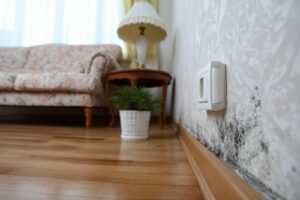
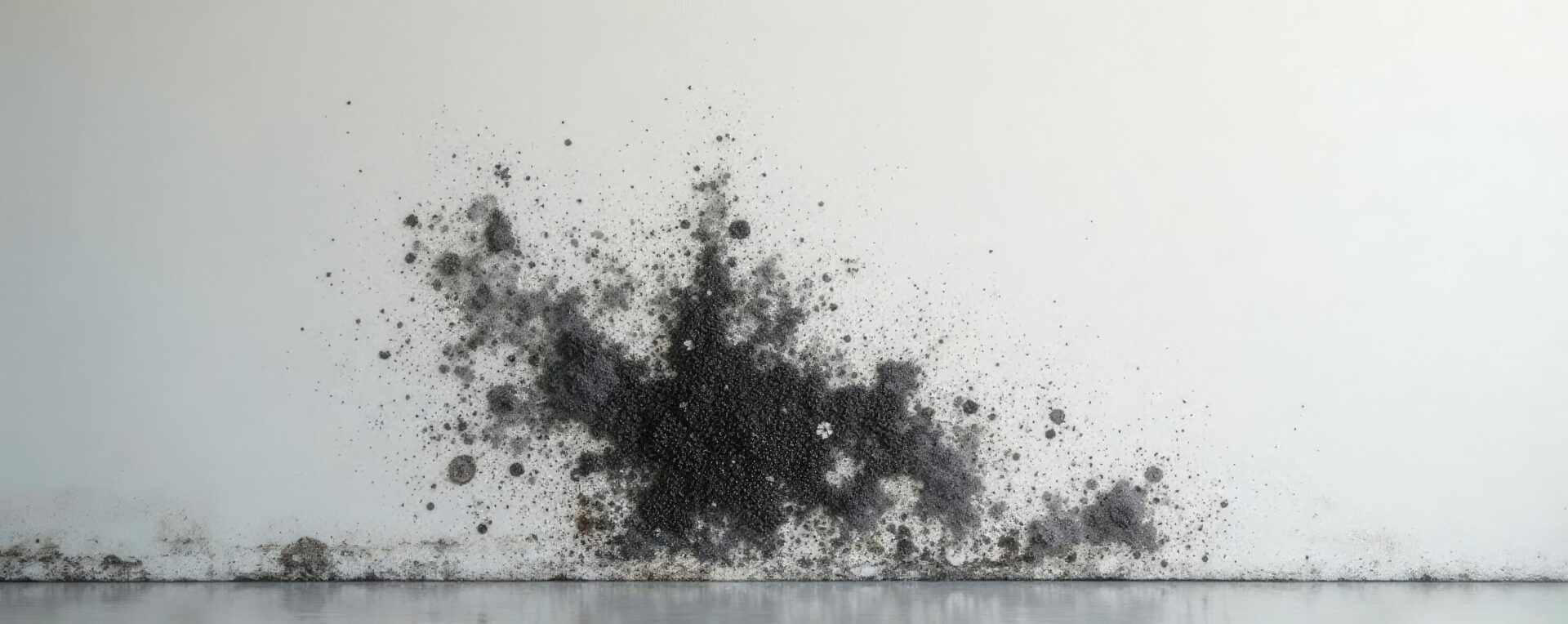
Many people underestimate the dangers of black mold, not realizing it can lead to serious health issues. If you suspect mold in your home, it’s vital to act swiftly and safely. There are specific steps you should take to ensure effective removal while minimizing risks to your health and property. Knowing these tips can make all the difference in managing an infestation effectively. Let’s explore the essential strategies for tackling this common problem.
Key Takeaways
- Inspect your home for moisture sources and repair leaks to prevent mold growth.
- Wear protective gear, including masks and gloves, to ensure safety during mold removal.
- Use natural cleaning solutions like vinegar or baking soda for effective mold removal.
- Increase ventilation by opening windows and using fans to help dry affected areas.
- Monitor for signs of recurrence and seek professional assistance for severe mold issues.
Identify the Source of Moisture
Before you can effectively remove black mold, you need to identify the source of moisture that’s fueling its growth.
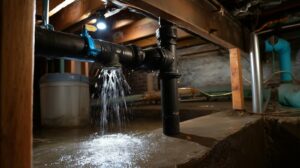
Start by inspecting your home for common moisture sources, such as water leaks from pipes, roofs, or windows. Look for any signs of discoloration or dampness, as these often indicate hidden leaks. It’s essential to check areas like basements, bathrooms, and kitchens where humidity tends to accumulate.
Don’t overlook appliances like washing machines and dishwashers, which can also be culprits if they’re not properly maintained.
Once you’ve pinpointed the moisture sources, you can take necessary steps to repair leaks and reduce humidity levels. This proactive approach helps eliminate mold and fosters a healthier home environment.
Wear Protective Gear
When tackling black mold removal, wearing protective gear is essential to safeguard your health. Mold spores can cause respiratory issues, skin irritation, and other health problems.
Start by donning a high-quality protective mask designed to filter out airborne spores. This will greatly reduce your risk of inhaling harmful particles.
Next, don’t forget to wear safety goggles. They’ll protect your eyes from irritation and potential contamination, especially when you’re working in tight spaces where mold is prevalent.
Long sleeves and gloves can further shield your skin from direct contact with mold and cleaning solutions.
Seal Off Affected Areas
After putting on your protective gear, the next step is to seal off affected areas to prevent mold spores from spreading throughout your home.
Effective mold containment starts with area isolation; you’ll want to close off doors and windows in the affected space. Use plastic sheeting to cover openings, ensuring it’s secured tightly with tape. This creates a barrier that helps contain the mold, minimizing the risk of spores drifting into uncontaminated areas.
If possible, turn off your HVAC system to avoid circulating air, which can carry mold spores throughout your home.
Make sure to inform anyone nearby about your mold remediation efforts to keep them safe. By taking these precautions, you’ll foster a sense of community and responsibility, ensuring everyone’s well-being during the cleanup process.
Use Proper Cleaning Solutions
When tackling black mold, choosing the right cleaning solution is vital.
You’ll find both natural alternatives and chemical options, each with its own set of considerations.
It’s important to understand these solutions and the necessary safety precautions to protect yourself during the cleaning process.
Natural Cleaning Alternatives
If you’re looking to tackle black mold safely, natural cleaning alternatives can be both effective and environmentally friendly. One popular choice is a vinegar solution.
Vinegar’s acidity helps kill mold spores without harsh chemicals. Simply mix equal parts of water and vinegar in a spray bottle, apply it to the affected area, and let it sit for at least an hour before wiping it away.
Baking soda is another excellent option; it removes mold and neutralizes odors. Create a paste by mixing baking soda with water, apply it to the moldy surface, scrub gently, and rinse.
Together, these natural solutions offer a safe and sustainable approach to maintaining a healthy living environment.
Chemical Solutions Overview
Chemical solutions for removing black mold can be highly effective when used correctly. Understanding the chemical composition of these cleaners is essential for maximizing their cleaning effectiveness.
Products containing bleach, hydrogen peroxide, or specialized mold removers can break down mold spores and prevent regrowth. Always check labels to confirm you’re selecting a solution suited for your specific surface type, as some chemicals can damage materials like wood or drywall.
Additionally, consider the concentration level; stronger solutions may be more effective but require careful handling. By choosing the right chemical solution, you enhance your chances of success and create a healthier environment for you and your loved ones.
Safety Precautions Required
While tackling black mold removal, it’s essential to prioritize safety by using the appropriate cleaning solutions.
Start by selecting products specifically designed for mold removal, as they effectively eliminate spores while minimizing health risks. Always read labels to verify the solutions are safe for indoor use and won’t release harmful fumes.
When using these cleaners, wear protective gear like gloves, goggles, and masks to enhance your mold safety. Ventilate the area by opening windows or using fans to disperse any lingering chemicals.
Scrub Moldy Surfaces Thoroughly
Thoroughly scrubbing moldy surfaces is essential to effectively eliminate black mold and prevent its return. Start by selecting the appropriate mold removal techniques for the surfaces you’re dealing with.
For hard surfaces, use a mixture of water and detergent or a commercial mold cleaner. Grab sturdy scrub brushes, as they can penetrate the mold’s structure more effectively than sponges or cloths.
As you scrub, apply firm pressure and work in a systematic manner to ensure you cover all affected areas. Don’t forget to rinse the surfaces afterward to remove any remaining mold spores and cleaning solution. Pay special attention to corners and crevices, where mold tends to thrive.
After scrubbing, dry the surfaces thoroughly to hinder future mold growth. This diligent scrubbing process not only cleans your space but fosters a healthier environment for you and your loved ones.
Dispose of Contaminated Materials
Once you’ve scrubbed away the visible mold, it’s essential to identify any materials that are contaminated and need disposal.
You should follow safe disposal procedures to prevent further contamination, ensuring proper waste containment throughout the process.
Identify Affected Materials
As you begin the process of removing black mold, it’s important to identify the materials that have been affected, since contaminated items can harbor spores that lead to further growth.
Start with mold inspection techniques to assess the extent of the infestation, focusing on common material types like drywall, wood, and carpet. Inspect these areas thoroughly, as porous materials are more likely to trap moisture and mold.
If you notice discoloration, a musty smell, or visible mold, you’ll need to take into account removing these items. Remember, even if the damage appears minor, it’s vital to err on the side of caution.
Properly identifying all affected materials ensures you tackle the problem effectively, preventing future mold issues in your space.
Safe Disposal Procedures
When disposing of contaminated materials, follow these essential procedures to secure safety and prevent mold spores from spreading.
First, place all affected materials—like drywall, insulation, or carpeting—into heavy-duty plastic bags. Seal these bags tightly to contain any spores. Label them clearly as mold waste for proper identification.
Next, check your local regulations regarding mold disposal, as waste management rules can vary by area. Consider contacting your waste management facility for guidelines on safe disposal methods.
Avoid leaving contaminated materials out for regular trash pickup; instead, arrange for special collection if required.
Proper Waste Containment
Proper waste containment is essential in managing contaminated materials effectively. When dealing with mold containment, you must dispose of waste properly to prevent further contamination. Here’s a quick guide on how to handle your contaminated materials:
| Step | Action Needed | Purpose |
|---|---|---|
| 1. Seal Materials | Use heavy-duty plastic bags | Prevent mold spores from escaping |
| 2. Label Containment | Clearly mark bags as “Mold” | Ensure safe handling by others |
| 3. Dispose Properly | Follow local waste disposal guidelines | Limit health risks and environmental impact |
Dry the Area Completely
To effectively combat black mold, drying the area completely is essential, since moisture provides the perfect breeding ground for further growth.
Start by improving air circulation and utilizing dehumidifiers to reduce humidity levels. This creates an environment less hospitable to mold.
Here are three effective strategies for drying the area:
Increase Airflow: Open windows and doors to promote natural ventilation. Fans can also help circulate air in enclosed spaces.
Use a Dehumidifier: Place a dehumidifier in the affected area to extract moisture from the air. Regularly empty the reservoir for best results.
Inspect and Repair: Check for leaks in pipes or roofs. Fixing these issues will help prevent future moisture accumulation.
Monitor for Recurrence
Monitoring for recurrence is essential after removing black mold to ensure it doesn’t return. Implement effective monitoring techniques to keep your environment safe.
Start by regularly inspecting areas prone to moisture, like bathrooms and basements. Look closely for any signs of recurrence, such as dark spots, a musty odor, or increased humidity levels.
Document your findings to track patterns over time. If you notice any recurrence of signs, address them immediately to prevent further growth. Using a humidity gauge can help you maintain ideal indoor conditions, ideally between 30% and 60%.
Consider establishing a routine inspection schedule, such as weekly or monthly checks, based on your environment’s specific needs. By staying vigilant, you can create a healthier living space for yourself and your loved ones.
Improve Ventilation
Effective ventilation plays a significant role in preventing the recurrence of black mold in your home. By enhancing air circulation and maintaining humidity control, you can create an environment where mold struggles to thrive.
Here are some strategies to improve ventilation:
Open windows and doors: Whenever possible, let fresh air circulate through your space. This reduces moisture buildup and promotes healthy airflow.
Use exhaust fans: Install or utilize exhaust fans in areas like kitchens and bathrooms to help eliminate excess humidity.
Invest in air purifiers: High-quality air purifiers with HEPA filters can help reduce airborne mold spores and improve overall air quality.
Consider Professional Help
If you’re facing a significant black mold issue that seems beyond your control, considering professional help can be a prudent choice.
A professional assessment allows you to understand the extent of the mold problem, which might be hidden behind walls or in hard-to-reach areas. Experts have the training and tools to identify these issues accurately.
Once the assessment is complete, expert remediation teams can implement effective solutions tailored to your specific situation. They use specialized equipment and techniques to safely remove mold and prevent future growth, ensuring that your home is restored to a safe environment.
Moreover, relying on professionals can save you time, reduce health risks, and ultimately provide peace of mind.
You’re not alone in this struggle; reaching out for help connects you with a community of experts who understand the seriousness of mold issues and are dedicated to supporting you through the process.
Wrap-Up
Removing black mold requires a systematic approach to ensure safety and effectiveness. By tackling the source of moisture and using the right protective gear and cleaning solutions, you can tackle the problem head-on. Remember, keeping a close eye on the situation and improving ventilation can help prevent future outbreaks. Don’t wait until it’s too late; act swiftly to keep your home mold-free, because when it rains, it pours if mold is left unchecked.